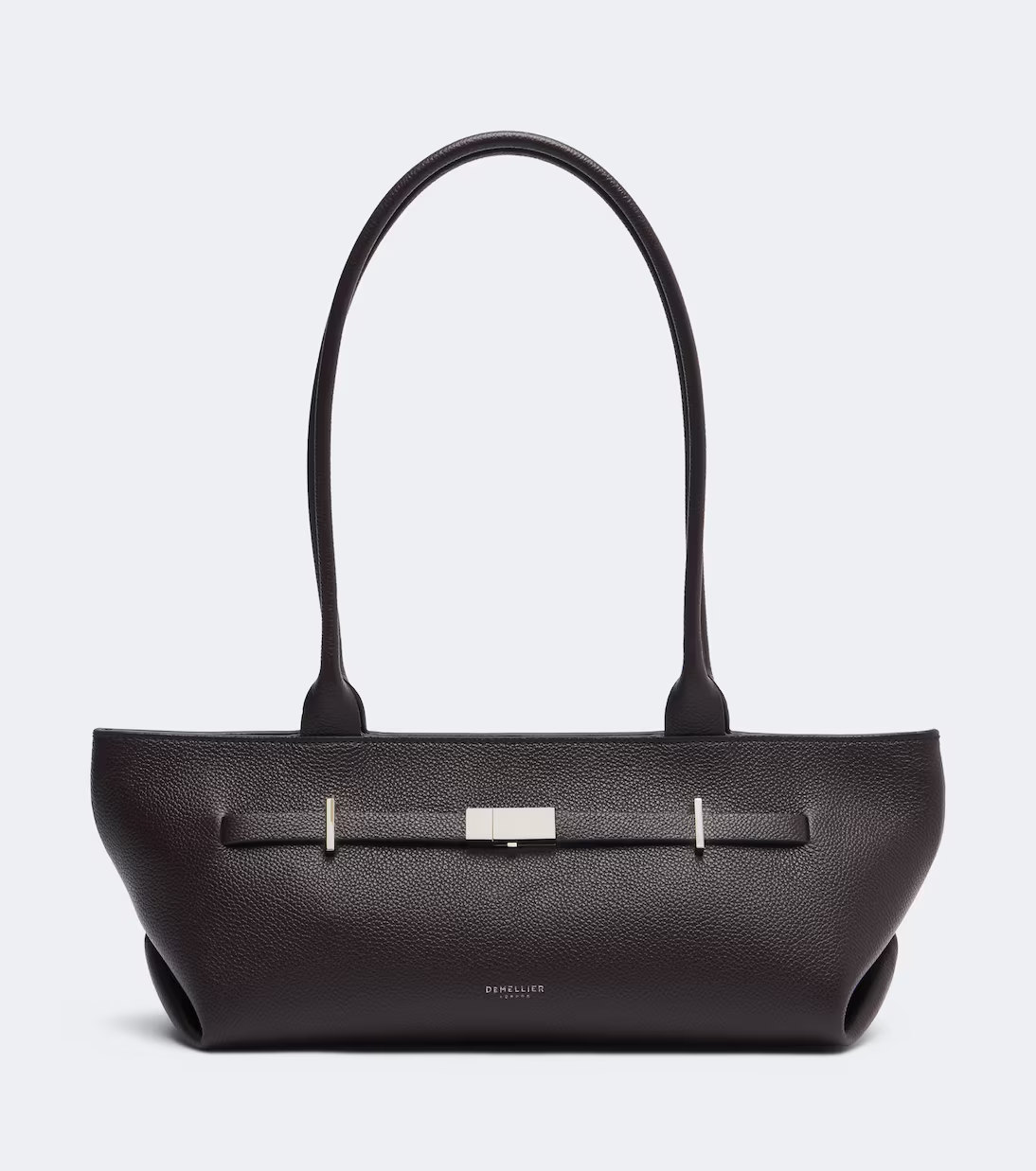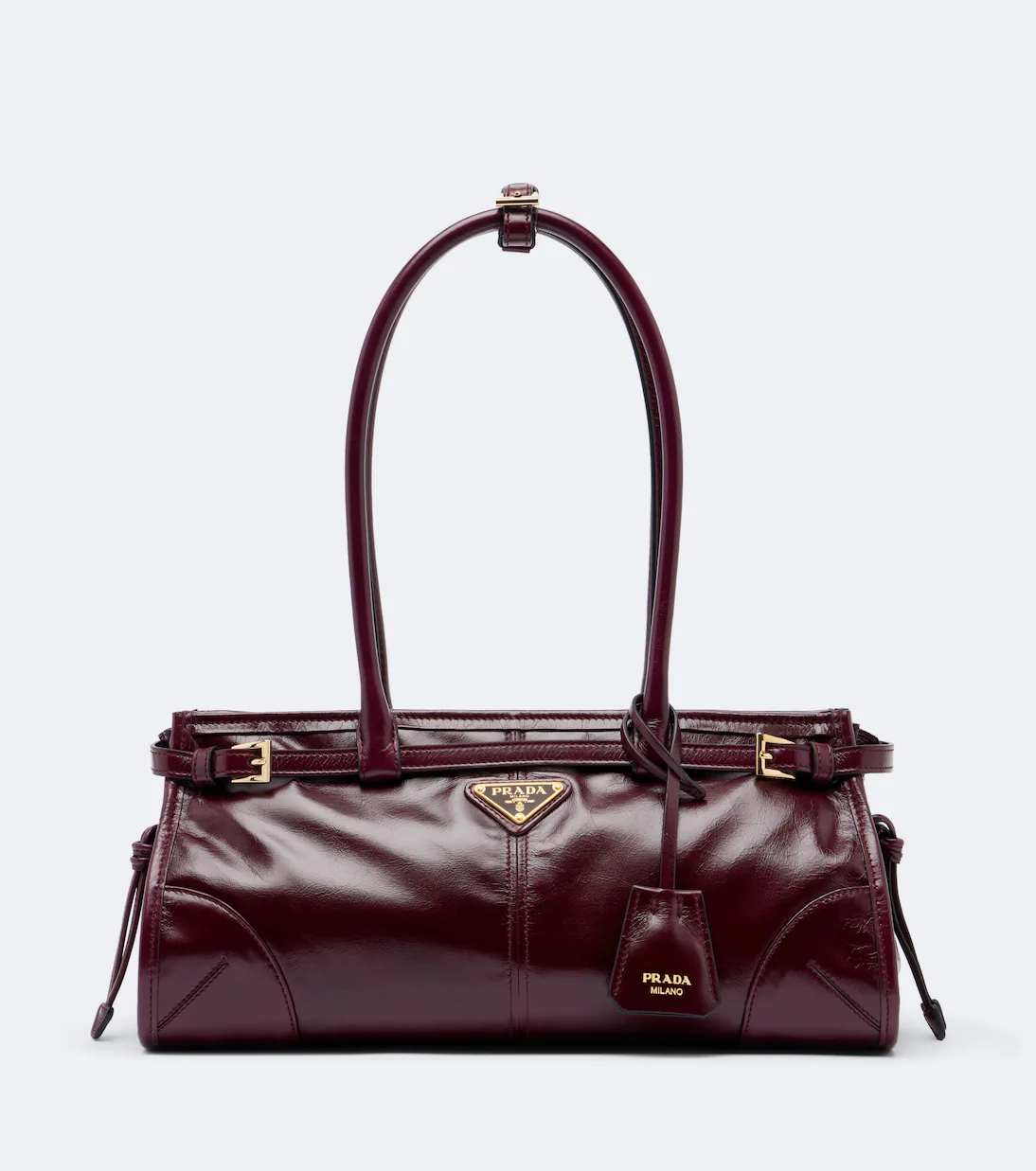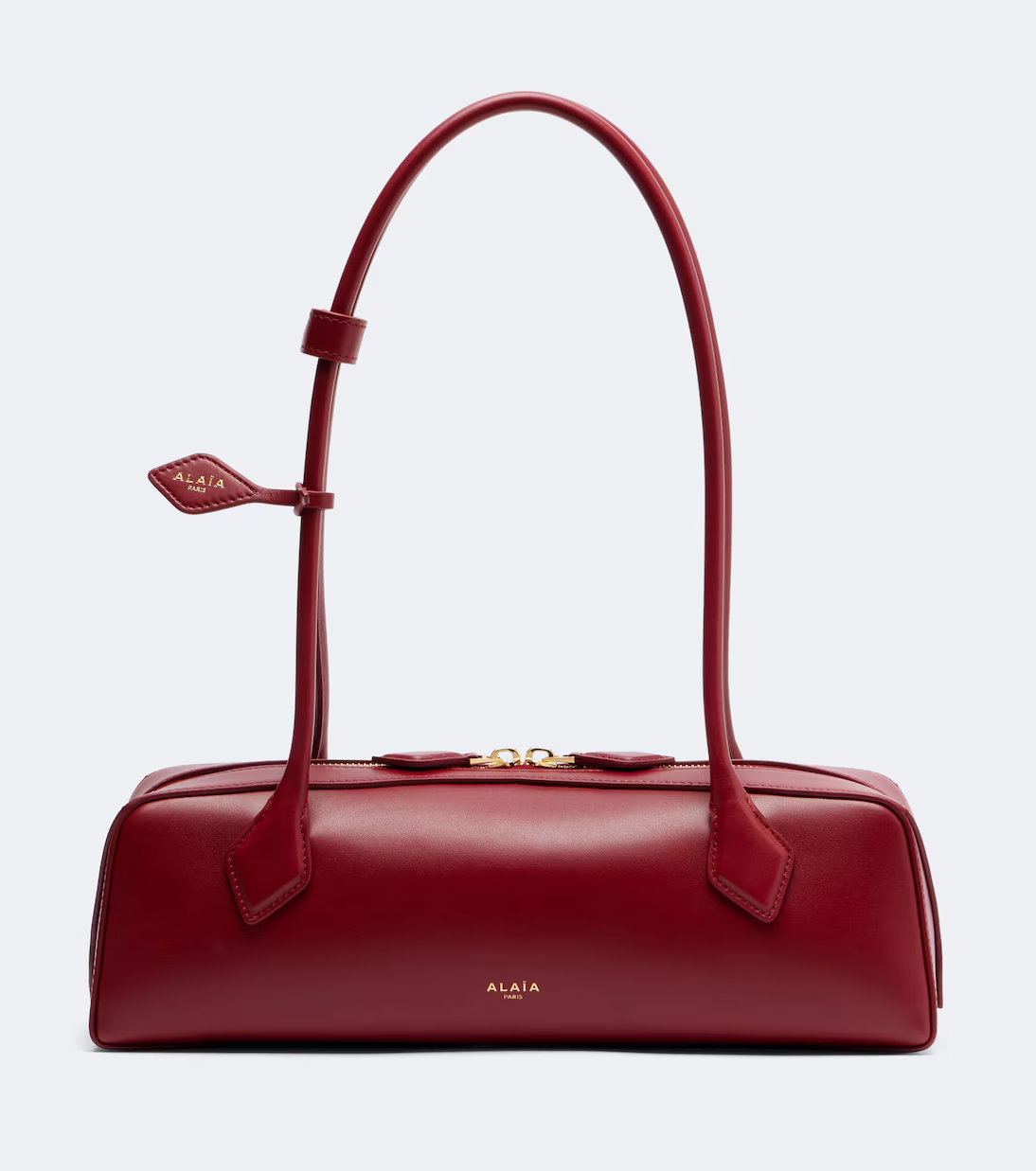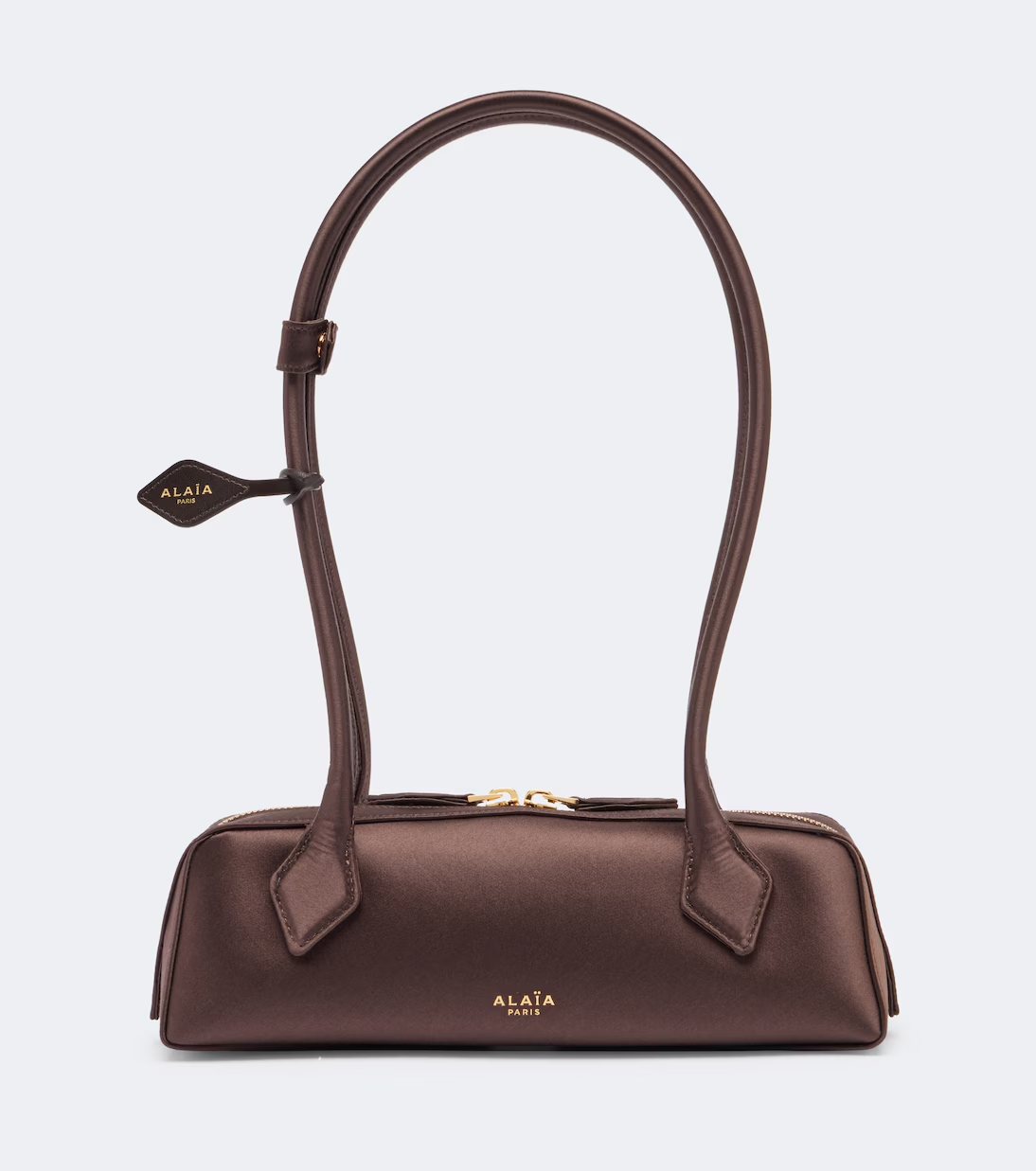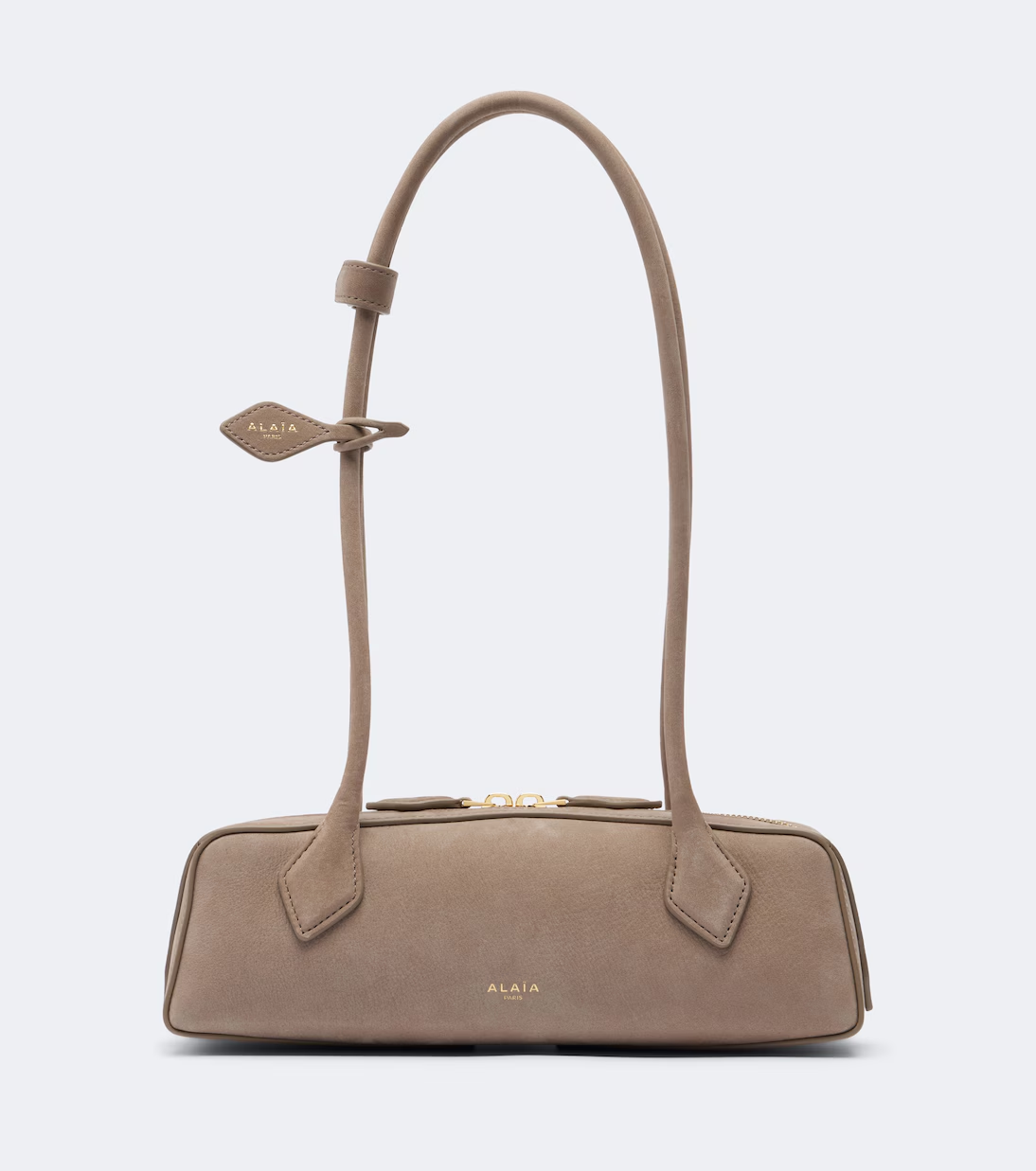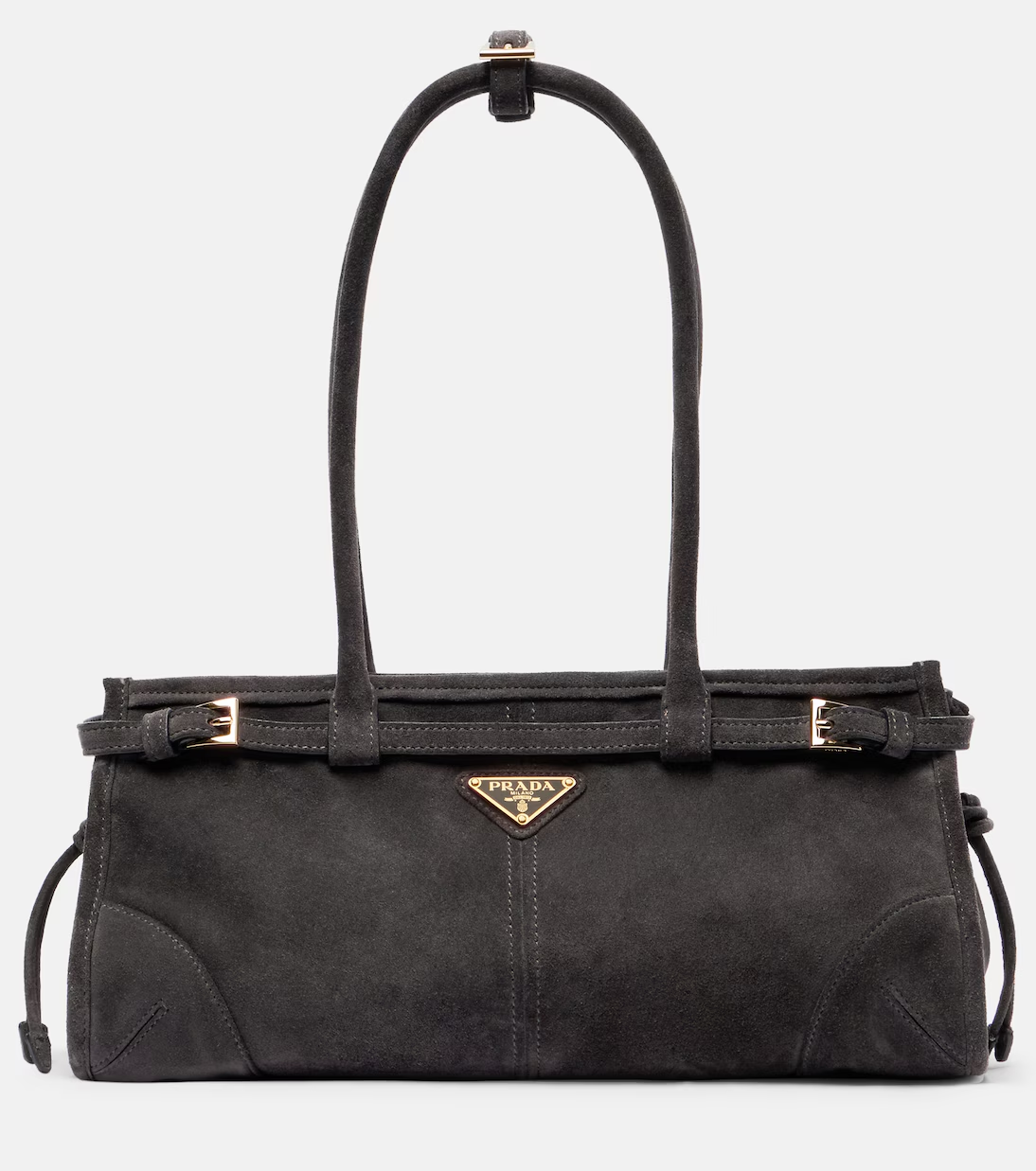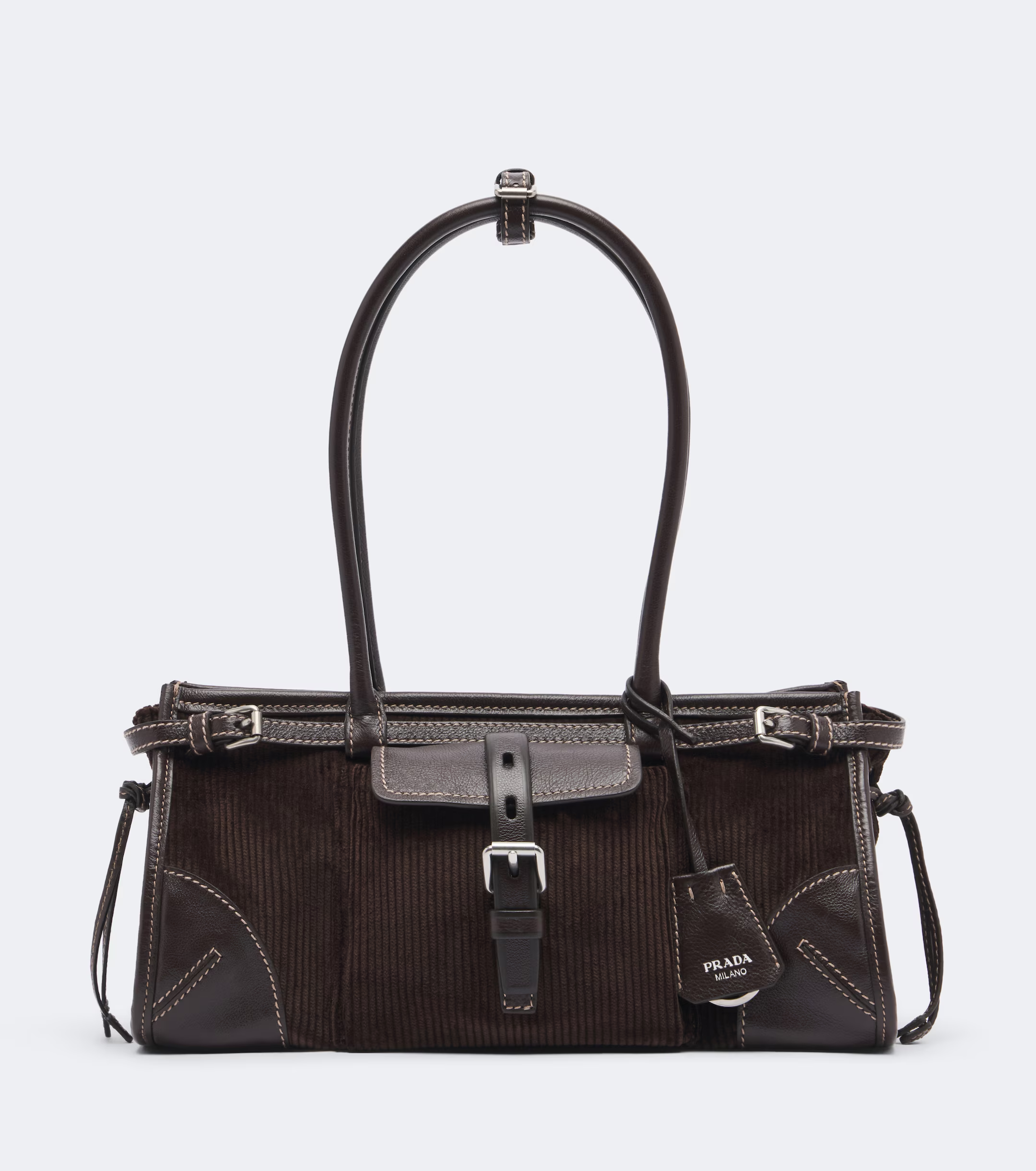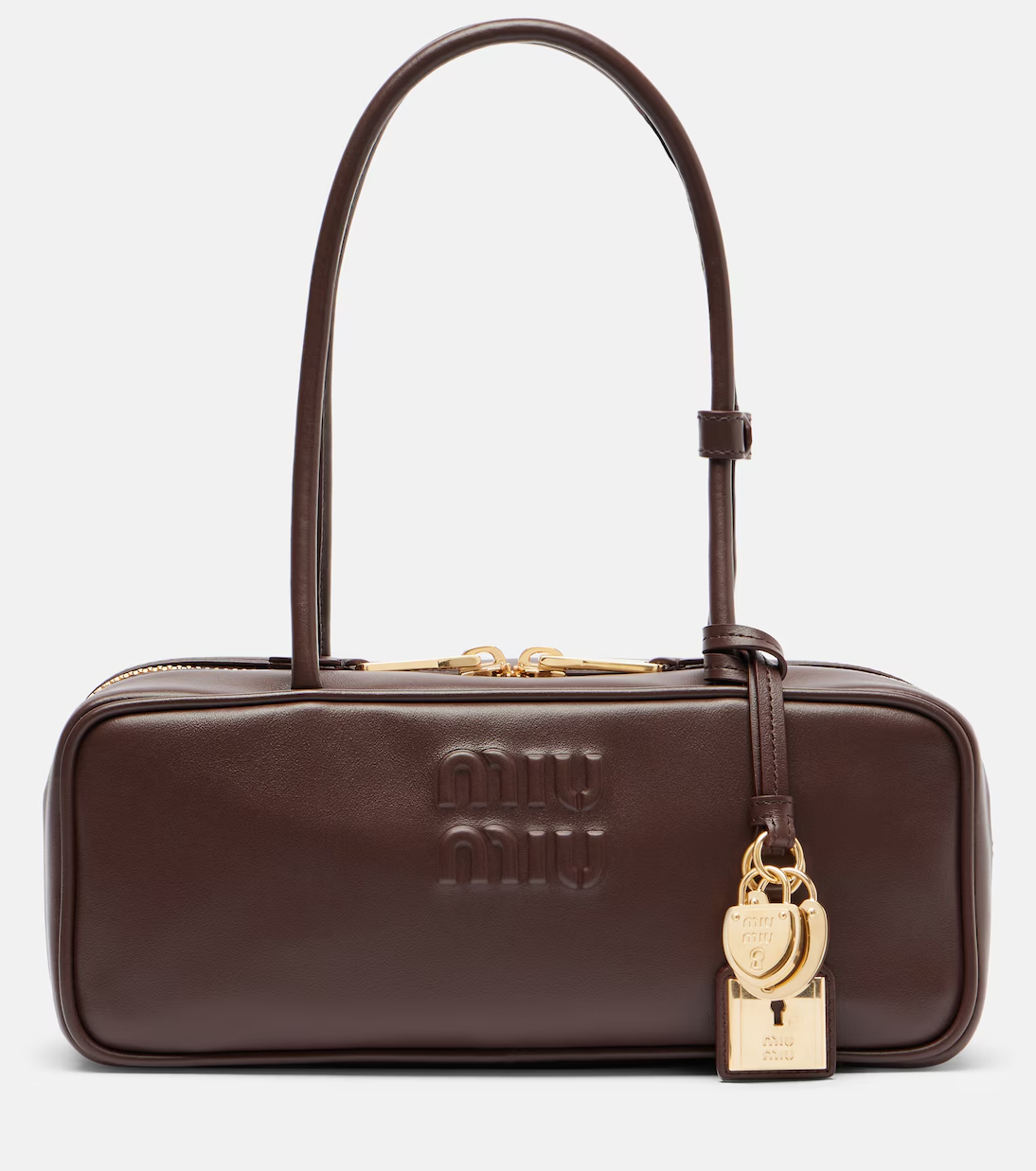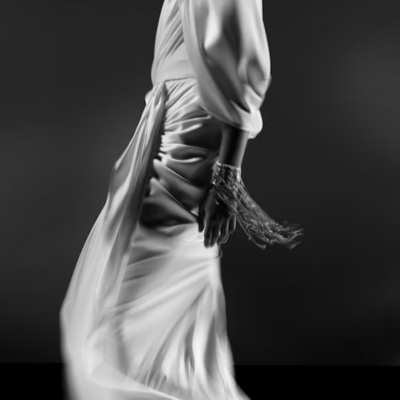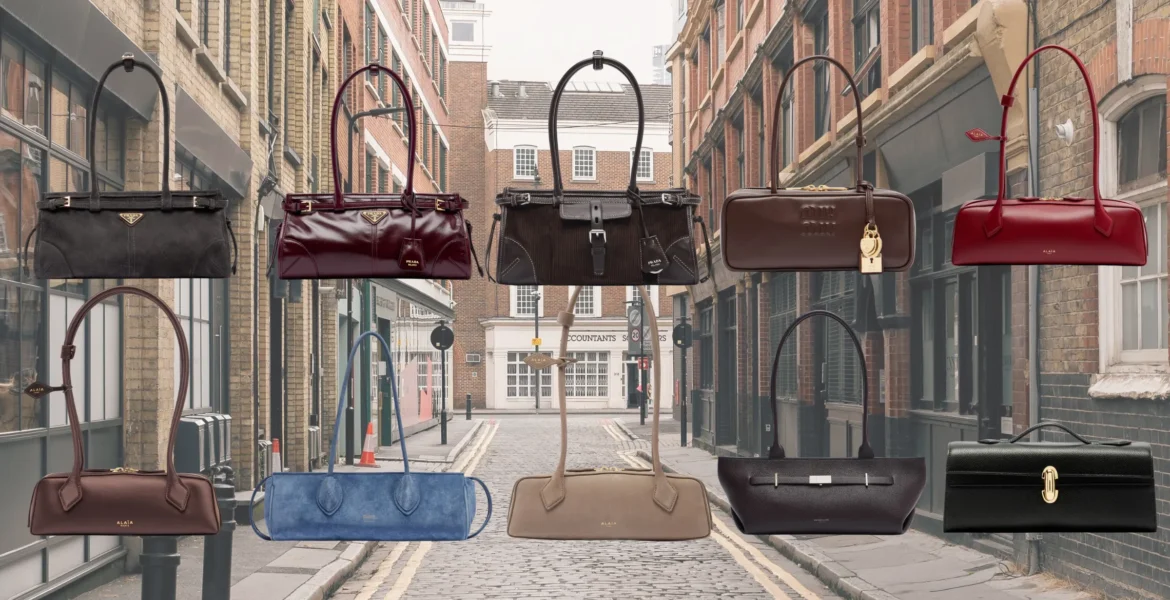
East West bags in leather, suede and satin featuring elongated horizontal silhouettes

Why the East West Bag Is Fashion’s Most Interesting New Classic
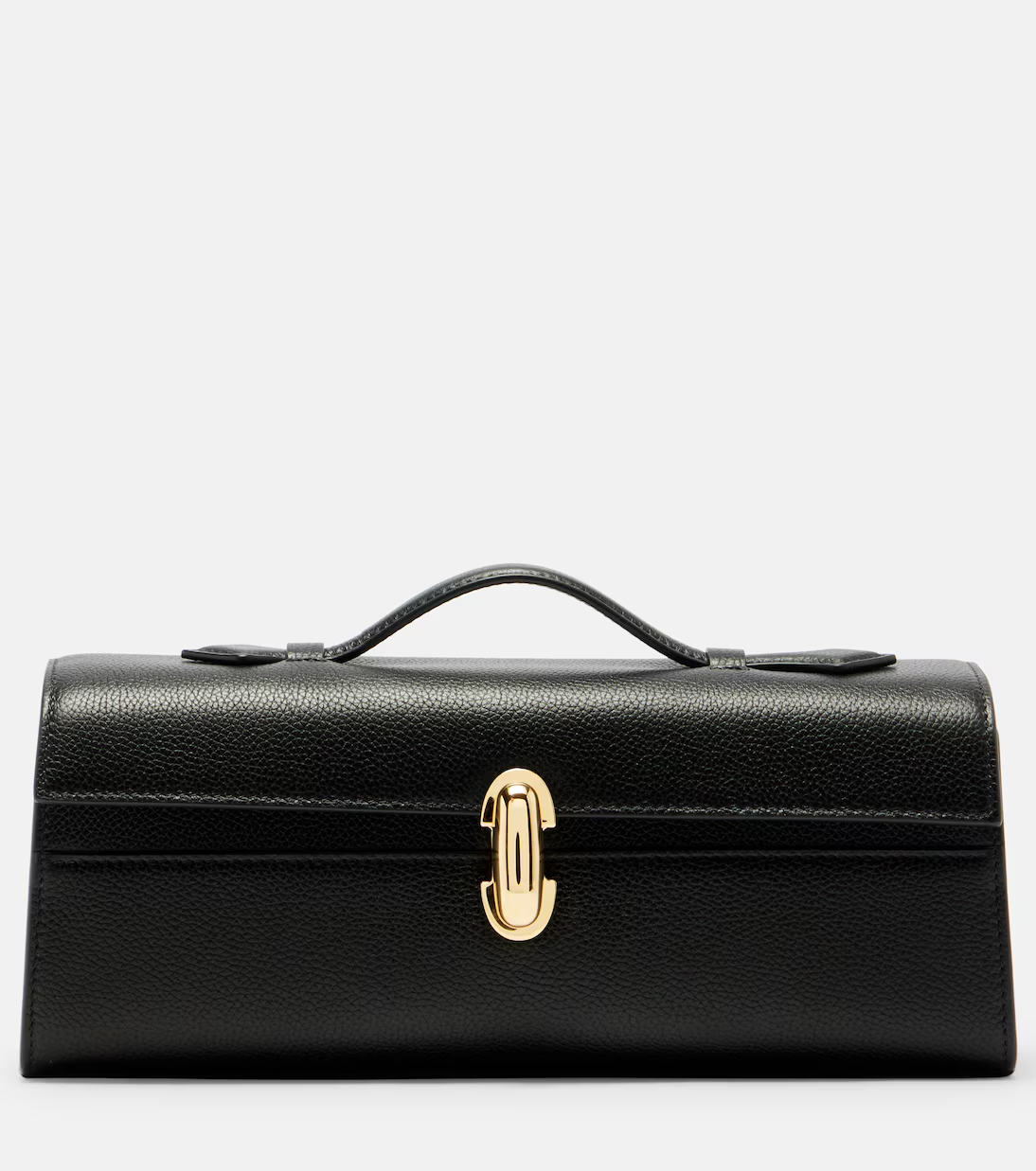
If you pay attention to the proportions of your clothes as much as the designers behind them, the East West bag deserves a closer look. Its appeal goes beyond a long, narrow shape. It offers a way to change the balance of an outfit without changing the clothes themselves.

The East West bag has become one of fashion’s defining handbag silhouettes, with designers revisiting the horizontal form across recent seasons. Yet the most interesting part of its return is not that handbags are getting longer. It is that designers are treating proportion as a design feature in its own right. For modest dressers, whose wardrobes often involve long hemlines, layered clothing and generous volumes, that shift offers a particularly useful lesson in styling.

What Is an East West Bag?

An East West bag is a handbag with a horizontally elongated silhouette, meaning it is noticeably wider from side to side than it is tall. The term describes the bag’s proportions rather than one specific design, so it can apply to a slim shoulder bag, a structured top handle, a rounded barrel shape or other handbag styles.

The name is informal rather than a strict industry classification. What connects these bags is their landscape like outline. Instead of rising vertically, as a tall tote might, the body stretches across the frame. Some have narrow straps and sit close to the underarm, while others use short handles, rounded corners or more structured construction.

That distinction matters when shopping. Two bags can share the same horizontal proportions but look entirely different because of their materials, hardware, handles and construction. A soft leather shoulder bag may feel relaxed, while a rigid top handle can look more formal. The silhouette establishes the direction; the design determines the character.

What Does East West Bag Mean?

The term “East West” refers to the horizontal direction of the bag’s shape. Imagine comparing a portrait photograph with a landscape photograph. The first is taller than it is wide, while the second extends further from side to side. An East West handbag follows the second proportion.

It is not the name of a single designer’s invention, nor does it describe one exact construction. Think of it as a visual category. A baguette style bag, a compact top handle or a narrow shoulder bag may all have East West proportions, even though they belong to different design families.

This is why the silhouette appears across different price points and fashion houses. The idea is simple enough to reinterpret, but the result changes according to the materials, scale and details chosen by the designer.

Where Did the East West Bag Come From?

The East West silhouette has historical precedents, but its history is more complicated than a single invention date.

Some contemporary retailers trace the look to handbags of the 1950s and its popularity to the 1960s. Those decades saw a variety of structured handbags, framed purses and compact designs. Museum collections, including the Metropolitan Museum of Art’s handbag archives, provide a useful view of mid century handbag design. These objects help establish the period’s variety of shapes and constructions, although they should not all be labelled East West bags in the modern sense.

The distinction is important. An older handbag can share a contemporary silhouette without having belonged to the same named trend. Fashion often returns to familiar proportions, then gives them fresh relevance through new materials, styling and cultural context.

The 1990s and early 2000s offer another important reference point. The Fendi Baguette, created by Silvia Venturini Fendi in 1997, became closely associated with the era’s compact shoulder bag. Its name refers to the way it can be carried under the arm, like a French baguette. The design helped establish the cultural appeal of a small, recognisable bag that could become a defining part of a look. Fendi continues to present the Baguette as a house icon through its official collection.

The modern East West trend draws on this wider history of horizontal handbags, but it should not be confused with any one earlier model. The proportions have appeared in different forms long before the current revival.

Why Is the East West Bag Trending in 2026?

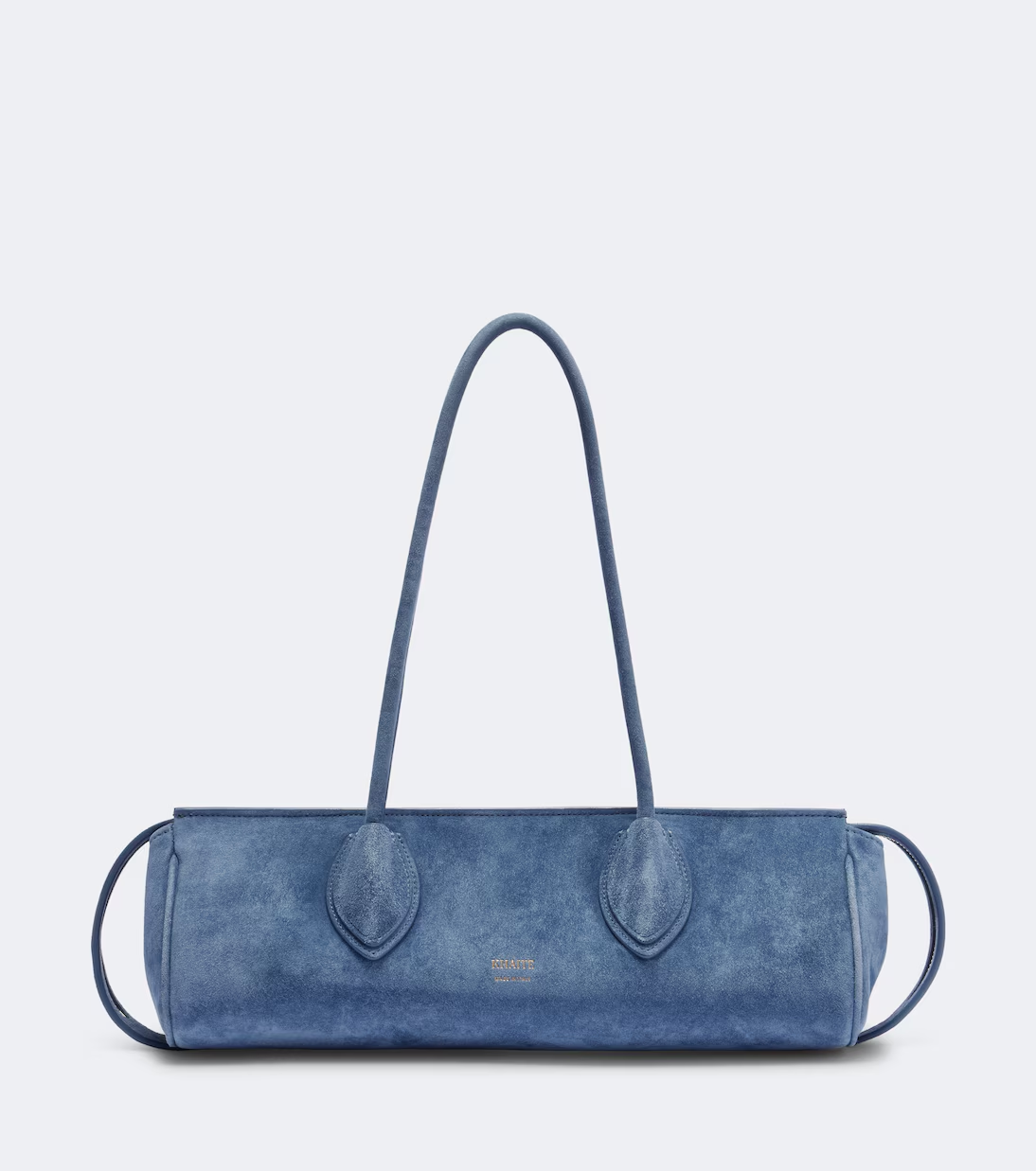
Alaïa’s Le Teckel helped bring the elongated silhouette back into sharp focus. Introduced under creative director Pieter Mulier for Spring/Summer 2024, the design takes its name from the French word for dachshund, a reference to its stretched shape. The house’s official Le Teckel collection shows how the silhouette is expressed through a narrow body, tubular handles and a restrained finish.

Le Teckel did not invent the East West bag. Its importance lies in giving an existing proportion a highly recognisable contemporary expression. The design made the long, slim handbag feel distinctive enough to stand out in a market filled with oversized totes, mini bags and familiar shoulder bag shapes.

Other designers have explored the horizontal format through their own design languages. Dior’s Lady D-Joy, for example, is described by the house as a horizontal reinterpretation of the Lady Dior. The official Lady D-Joy collection demonstrates how a familiar house icon can be reworked through proportion rather than replaced with an entirely new design idea.

Across the seasons that followed, elongated handbags appeared in a wider range of materials, structures and sizes. By 2026, the silhouette had become part of the broader handbag vocabulary rather than a look associated with one model alone.

That progression matters. The current revival began with a recognisable breakout moment, expanded across designers and product categories, and developed into a more established direction. Its continued presence does not guarantee that every version will remain desirable, but it does show that the horizontal handbag has a place in contemporary design beyond a single season.

SHOP OUR PICKS

Why Does the East West Shape Feel So Modern?

The East West bag is interesting because it sits between two familiar handbag extremes. Mini bags often prioritize appearance over capacity, while oversized totes introduce substantial volume. A slim, horizontally elongated bag offers a different visual effect: it can create a strong line without occupying the same amount of vertical space as a tall tote.

That does not automatically make every East West bag more practical. Capacity depends on its depth, opening, lining and internal construction. A long silhouette can still be surprisingly narrow inside. The visual impression of size and the amount a bag can actually carry are two different things.

The appeal is also architectural. A horizontal line gives the eye a direction to follow. On a simple outfit, that line can become the main point of interest, especially when the bag has little decoration. The design does not need oversized hardware or a prominent logo to be noticeable because the proportions already give it character.

This connects to a broader principle of dressing. As explored in our guide to why proportion is the secret behind a great outfit, the relationship between length, width and volume can be as important as the individual pieces themselves. A well chosen accessory does not have to match every element around it. Sometimes its value comes from providing a deliberate contrast.

How the East West Bag Works With Modest Fashion

The East West bag offers an especially useful styling opportunity for modest wardrobes because long clothing often creates strong vertical lines. An abaya, maxi dress or full length coat can establish an uninterrupted line from the shoulder toward the hem. A horizontally elongated bag introduces another direction without requiring a shorter hemline or a change in coverage.

Imagine a monochromatic outfit built around a long black coat and a flowing dress. A tall tote may reinforce the vertical direction of the look, while a compact East West shoulder bag can create a horizontal accent around the waist or under the arm. Neither choice is automatically better. They simply create different visual relationships.

This is the important point: the bag is not inherently modest. Its relevance comes from how it interacts with the clothes. Modest dressing can involve generous fabric, long layers and substantial volume, so proportion becomes a practical styling tool. A carefully chosen accessory can add structure without relying on exposed skin, a shorter silhouette or decorative excess.

The same principle applies to color. A black East West bag can blend into a dark outfit and create a subtle shift in texture. A contrasting brown, burgundy or lighter neutral can make the horizontal shape more visible. If the clothes already feature bold prints or substantial volume, a quieter bag may provide balance. If the outfit is simple, a more distinctive bag can take a central role.

For more ideas about building outfits around longer layers, see Rópard’s guide to why fall is the ultimate season for modest fashion. The same attention to fabric, length and layering can help you decide whether an East West bag should blend into your outfit or interrupt it.

How Should You Style an East West Bag?

Start by looking at the shape of the outfit rather than choosing a bag in isolation. A long wool coat paired with a slim shoulder bag creates a clear contrast between vertical outerwear and a horizontal accessory. This works particularly well when the coat has a clean cut and the bag has a defined outline.

With a flowing maxi dress, consider a more structured East West bag. The contrast between soft fabric and a firmer shape gives the outfit definition without making it feel overly formal. A relaxed leather bag can create the opposite effect, softening a sharply tailored coat or a coordinated trouser set.

Volume needs more consideration. Wide leg trousers, an oversized coat and a large elongated bag can create a deliberate, fashion forward silhouette, but they can also compete for attention. If every piece has substantial volume, choose a bag with a simpler finish. If the clothing is restrained, a larger or more sculptural bag can become the main accessory.

There is no single East West bag that flatters every person or every outfit. The useful question is whether its width, scale and position create the relationship you want. A bag worn under the arm creates a different visual break from one carried by a short top handle. Small differences in placement can change the overall effect.

This is also where the cut of the clothing matters. The article on why the cut of a coat matters more than the trend explores how construction, shoulder placement and volume shape the appearance of outerwear. The handbag is another part of that visual structure, not an afterthought added once the outfit is complete.

Is an East West Bag the Same as a Baguette Bag?

These terms overlap, but they do not mean the same thing.

An East West bag is defined by its horizontal proportions. A baguette is a specific handbag style associated with Fendi’s 1997 design, typically worn close to the body under the arm. A barrel bag describes a body with a rounded, cylindrical form.

A baguette can have East West proportions, but not every East West bag is a baguette. Likewise, a barrel bag may be elongated horizontally, although its rounded construction gives it a different appearance from a flatter shoulder bag.

The distinction is useful when shopping because the name alone does not tell you everything about the bag. Look at its profile, depth, handle placement and construction. These details determine whether it will sit close to the body, hold its shape or create a rounded rather than flat horizontal line.

Is an East West Bag Worth Buying?

The East West bag is worth considering if its proportions work with your wardrobe, not simply because it appears in current collections. A useful handbag should fit the way you dress, the items you carry and the occasions for which you need it.

Pay attention to the opening, depth and strap length before buying. A narrow bag may look elegant but offer limited space. A rigid model can maintain its shape, while softer leather may settle differently against the body. Materials, stitching, hardware and lining also affect how a bag looks and wears over time.

Versatility is worth considering too. A restrained leather design may work with tailoring, a long coat and a flowing dress, while a heavily embellished version may suit a narrower range of outfits. Neither is automatically the better choice. It depends on whether you want a daily accessory or a statement piece.

A trend can draw attention to a design, but it cannot determine whether that design belongs in your wardrobe. The strongest purchase is one that continues to make sense when the surrounding trend cycle changes.

The East West Bag Is Really a Lesson in Proportion

The East West bag matters because it shows how a familiar accessory can change the balance of an outfit through shape alone. Its horizontal proportions can contrast with long clothing, add structure to flowing fabric or provide a clear line within a monochromatic look.

For modest dressers, that creates a particularly interesting styling possibility. Coverage does not limit the ways an outfit can be shaped. Long skirts, abayas, tunics, wide leg trousers and coats all offer opportunities to work with length, width, texture and scale.

The best way to understand the East West bag is to look beyond the trend label. Consider the direction of its shape, the construction of the design and the clothes around it. Once you start seeing handbags as part of an outfit’s architecture, choosing one becomes less about following a trend and more about understanding your own style.

Explore more of Rópard’s guides to fashion proportion, craftsmanship and modest styling to keep developing that eye.

Frequently Asked Questions About East West Bags

1. What is an East West bag?

An East West bag is a handbag with a horizontally elongated silhouette. The term describes its proportions rather than one specific construction, so it can apply to shoulder bags, top handle bags and some barrel or bowling inspired designs.

2. Why is the East West bag trending in 2026?

The current revival gained visibility through designs such as Alaïa’s Le Teckel and spread across different designers and handbag styles. Its appeal lies in its distinctive horizontal shape and its ability to create a strong visual line without the volume of a large tote.

3. Is an East West bag the same as a baguette bag?

No. A baguette is a specific handbag style associated with Fendi’s 1997 design, while East West describes a horizontal proportion. A baguette can have an East West silhouette, but the terms are not interchangeable.

4. Does an East West bag work with modest outfits?

Yes. Its horizontal shape can create contrast against long coats, maxi dresses, abayas and tunics. The result depends on the bag’s size, placement and structure, as well as the proportions of the rest of the outfit.

5. Is the East West bag a trend or a classic?

It is both a current trend and a recurring handbag proportion. The recent revival has brought renewed attention to the silhouette, while older handbag designs show that horizontally elongated forms have historical precedents. Whether a particular bag becomes a lasting wardrobe piece depends on its design, quality and usefulness.

READ THE PREVIOUS POSTS

Leave A Comment

Leave A Comment

Coveted for its luxury. Revered for its modesty

#Gallery

#Contact