- The Styling Atelier, About Modest Fashion
- August 26, 2026
- 1
Why Fall Is the Ultimate Season for Modest Fashion
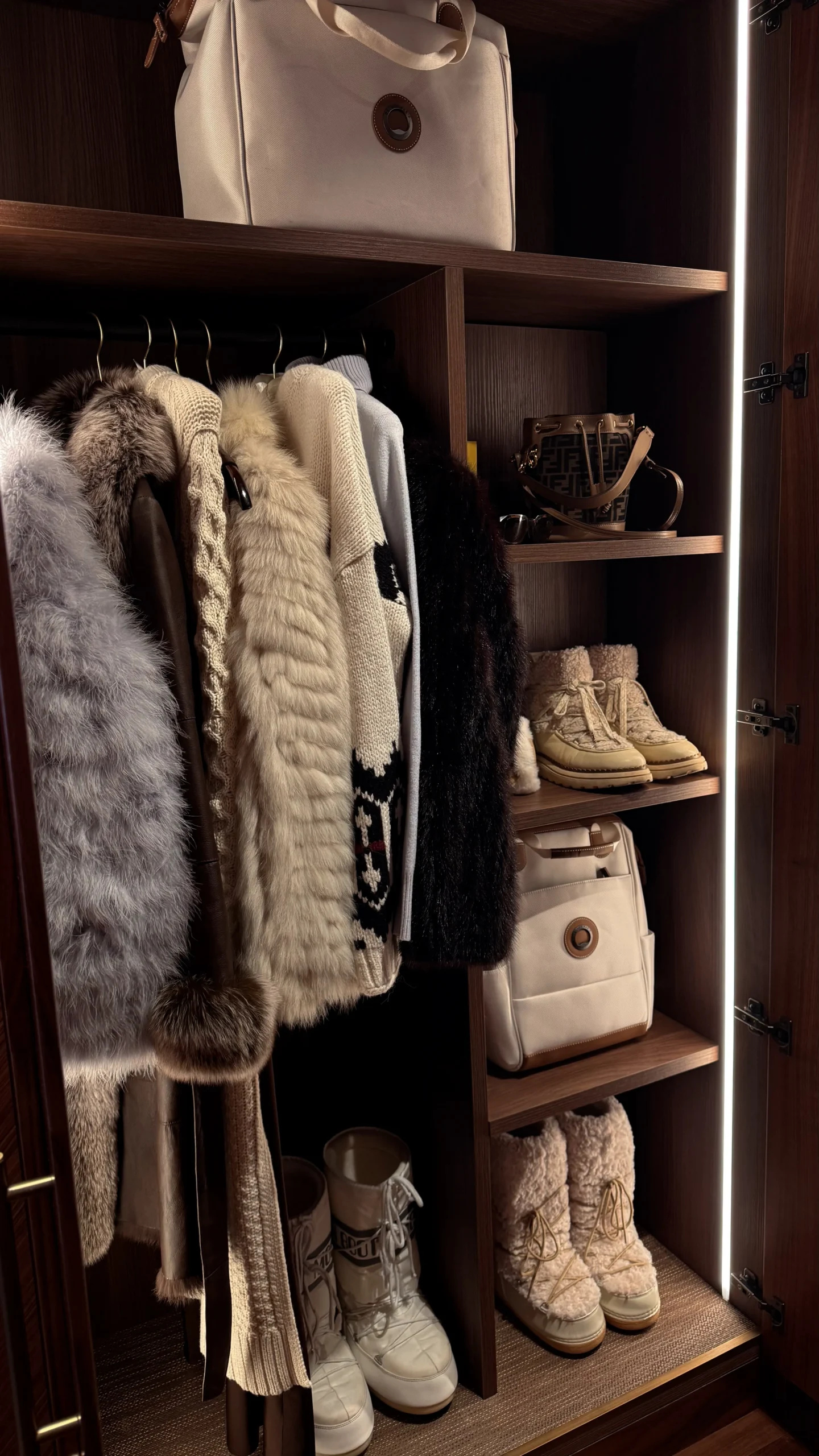
Fall has an advantage that summer simply cannot compete with: it makes coverage look intentional.
Long sleeves do not need explaining. Maxi skirts do not feel excessive. High necklines look elegant rather than restrictive. A long coat becomes the finishing piece instead of an extra layer to negotiate. Even the simplest outfit gains depth once knitwear, tailoring, boots, and outerwear enter the equation.
That is why modest fashion in fall feels so naturally sophisticated. The season gives modest dressers more tools to work with, while making the silhouettes that define modest style feel completely at home.
The timing is particularly interesting in 2026. Fashion’s fall collections have placed renewed emphasis on tailoring, expressive proportions, layering, rich textures, and wardrobe pieces designed for real life. Vogue’s coverage of the season points to modern blazers, foundational layers, voluminous silhouettes, and styling that transforms familiar wardrobe staples.
For modest dressers, that is more than a collection of trends. It is an unusually compatible fashion landscape.
Why Is Fall the Best Season for Modest Fashion?
Fall is the best season for modest fashion because cooler temperatures naturally support the long sleeves, high necklines, full length skirts, trousers, dresses, and layered silhouettes that define covered dressing.
The difference is practical as much as aesthetic. During summer, adding another layer can mean sacrificing comfort. A long sleeve under a dress may feel heavy. A blazer can become unbearable by midday. A maxi skirt made from the wrong fabric can feel unnecessarily warm. Fall changes the equation.
Coverage becomes useful rather than inconvenient. Layers become part of the outfit rather than something added purely for modesty. Fabrics become heavier, silhouettes become more structured, and color becomes deeper.
The result is a season in which modesty and fashion are working toward the same visual goal.
1. Cooler Weather Makes Coverage Feel Effortless
The most obvious reason fall works so well for modest fashion is also one of the most important.
Temperature changes the way clothing is perceived.
A long sleeve blouse in July can feel like a styling compromise. The same blouse in October looks like exactly what the outfit needs. A full length wool coat does not simply provide coverage. It creates proportion. A high neck sweater does not need to be layered under something else to make it feel complete. It can become the defining element of the look.
This is where modest fashion has a quiet advantage. Instead of building an outfit around how much skin can be shown, fall allows the focus to move toward silhouette, texture, proportion, and construction.
A flowing maxi dress under a structured coat creates movement and shape. Wide leg trousers paired with a tucked knit create a clean vertical line. A long skirt with a fitted blazer balances volume without relying on exposed skin for visual interest.
Coverage becomes part of the design. And that is an important distinction. Modesty does not have to mean adding more clothing after the outfit has already been designed. The strongest modest looks are designed around coverage from the beginning.
2. Layering Gives Modest Fashion More Dimension
If there is one styling technique that belongs to fall, it is layering. This is where the season becomes particularly exciting for modest dressers.
A cardigan over a long sleeve dress. A tailored blazer over a high neck blouse. A wool coat over a flowing maxi skirt. A sweater layered over a collared shirt. A scarf placed over the shoulders of an already complete outfit. Each layer introduces another line, texture, or proportion.
Fashion’s fall 2026 collections have made this especially clear. Vogue highlighted layering as a significant styling tool this season, while Prada presented four variations of layered looks on each model, visually demonstrating how removing or adding a layer can completely change an outfit.
For modest fashion, this is particularly useful because layering is not simply decorative. It can shape the silhouette while maintaining coverage. The trick is not to pile on as many pieces as possible. Good layering needs hierarchy. Start with a foundation. Add a second texture. Finish with an outer layer that gives the outfit structure.
For example, imagine a simple cream maxi dress. On its own, it is elegant. Add a fine knit cardigan and the look becomes softer. Replace the cardigan with a structured wool blazer and suddenly it feels polished. Add a long coat and leather boots, and the same dress moves into a completely different visual category.
The clothes have not changed dramatically. The styling has.
3. Fall Fabrics Make Modest Dressing Look Expensive
Fall is arguably the richest season for texture.
Summer tends to reward lightness. Linen, cotton, and breathable fabrics dominate because comfort comes first. As temperatures fall, fashion can become more tactile.
Wool. Tweed. Corduroy. Velvet. Cashmere. Suede. Heavy knits. These materials give modest silhouettes visual weight.
A simple long sleeve dress becomes more interesting when it is made from a textured fabric. A floor length skirt feels architectural in wool. A modest blazer becomes instantly more luxurious in tweed. A chunky knit can transform an otherwise minimal outfit without requiring dramatic accessories.
This focus on material is particularly relevant to the way luxury fashion is approaching fall 2026. Vogue’s coverage of the season has emphasized the combination of clean silhouettes with rich textures, while individual collections have explored tailoring, cashmere, alpaca, tweed, and tactile materials.
That matters because modest fashion does not need revealing cuts to create visual interest. It can create interest through fabric instead.
This is also why fall is the perfect season to think more seriously about fabric quality. A modest wardrobe built around beautiful materials can look considerably more elevated than one built around a large number of trend pieces.
For a deeper look at how fabric can transform seasonal dressing, explore Rópard’s guide to fall-winter 2026 fabric trends. The right material can make a modest silhouette feel warmer, richer, and more refined.
4. Fall Colors Give Modest Outfits More Depth
Then there is color.
Fall has traditionally been associated with burgundy, chocolate brown, olive, rust, camel, navy, charcoal, and cream. These shades naturally create a more grounded wardrobe.
But 2026 is making the seasonal palette more interesting. Pantone’s New York Fashion Week Autumn Winter 2026 report describes a balance between restrained, earthy tones and more expressive colors. Its palette includes Burnt Olive, Toffee, Poseidon blue, Candied Ginger, and other shades designed to sit between understated sophistication and experimentation.
Burgundy remains particularly relevant. Vogue’s current fall 2026 color coverage identifies it as one of the season’s enduring rich shades, alongside brighter and more unexpected colors such as electric blue, juicy peach, turquoise, and royal purple.
For modest fashion, this opens up far more possibilities than simply dressing in black.
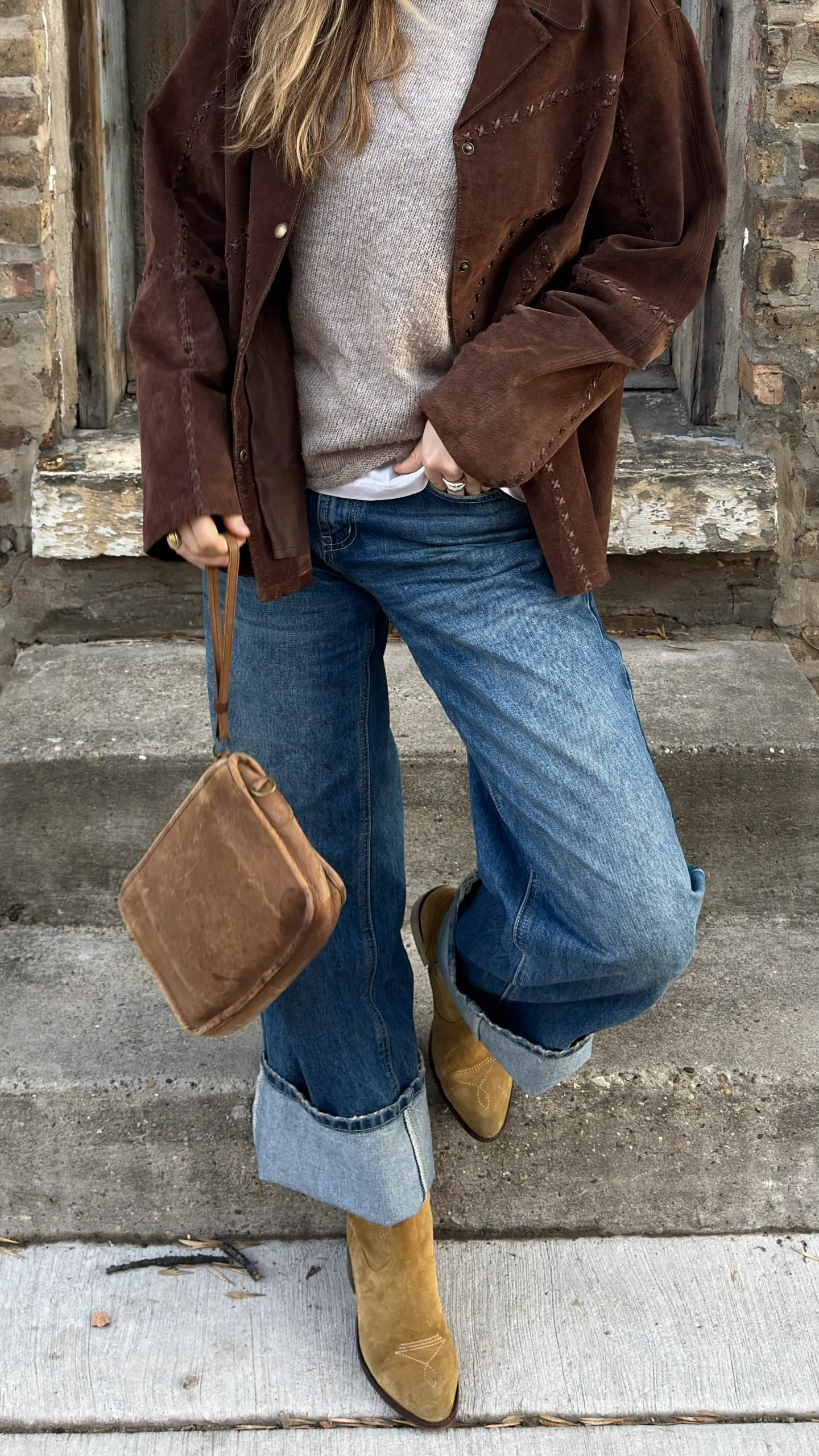
Try a chocolate brown maxi skirt with a cream knit. Pair burnt olive trousers with camel outerwear. Wear burgundy beneath charcoal tailoring. Combine deep navy with warm beige. The beauty of these combinations is that they create sophistication without needing excessive styling. A strong color relationship can do the work.
For more inspiration, see Rópard’s guide to the fall-winter 2026 color palette, which explores the season’s most wearable shades and combinations.
5. Long Coats and Tailoring Finally Become the Main Event
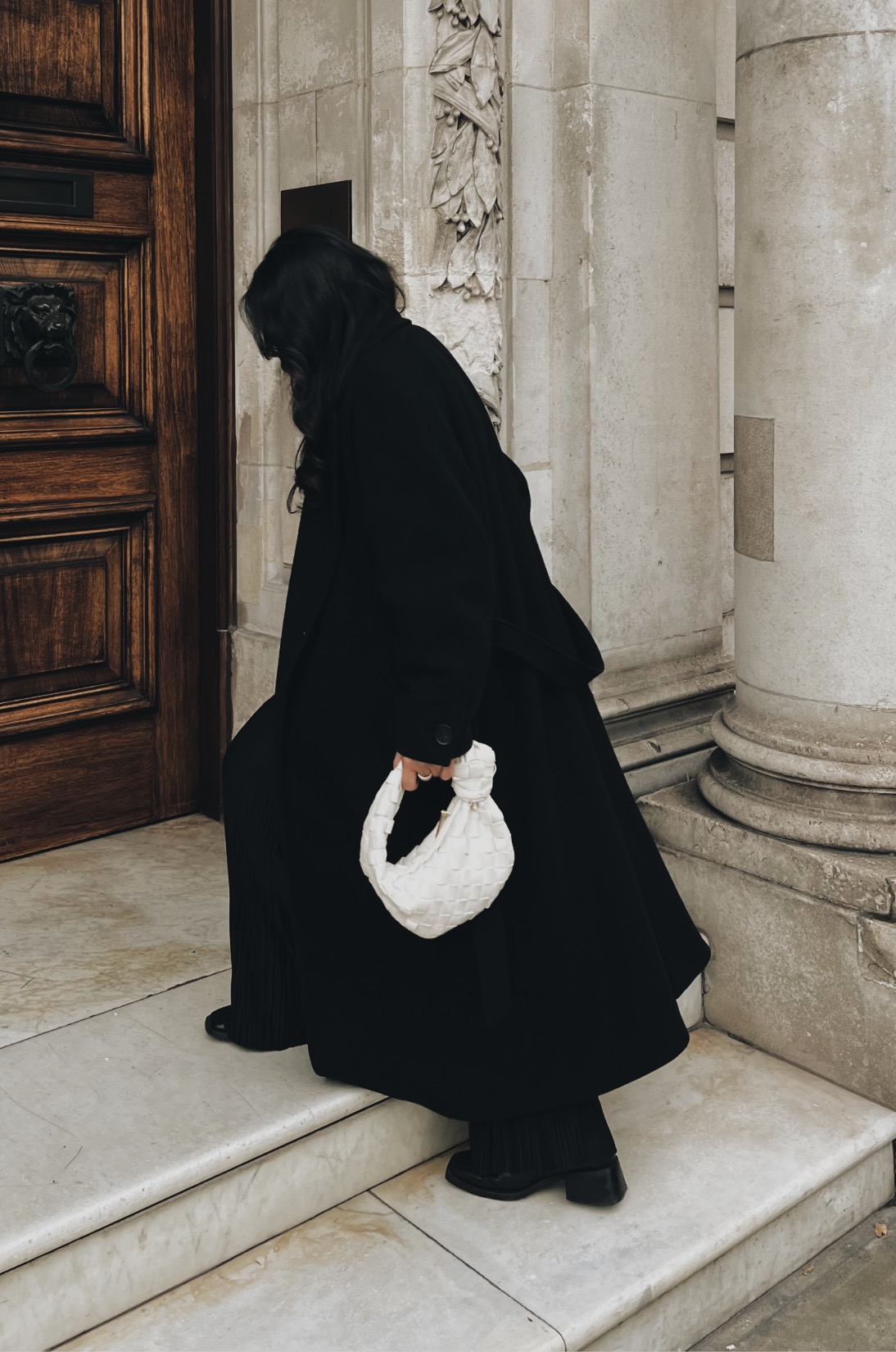
There is something particularly powerful about a long coat. It creates a silhouette from head to toe. For modest dressers, that is an opportunity rather than a limitation.
A long wool coat can frame a maxi dress. An oversized blazer can balance a wide leg trouser. A structured trench can give a flowing skirt a sharper edge. A tailored coat can make even the simplest knit and trouser combination feel deliberate.
And tailoring is having a particularly strong moment in fall 2026.
Vogue’s runway coverage describes tailoring as one of the defining conversations of the season, with designers revisiting classic suiting through new proportions, relaxed structures, and more expressive interpretations.
That makes fall a particularly good season for modest wardrobes built around strong outerwear.
The coat is no longer something worn over the outfit. It becomes the outfit.
For practical guidance on choosing the right outerwear, read Rópard’s guide to fall-winter coats. It is especially useful when deciding between long wool coats, tailored styles, trenches, and oversized silhouettes.
For someone building a sophisticated modest wardrobe, this is an important shift in thinking. Instead of asking, “How can I make this outfit more modest?” start with, “What silhouette do I want the entire outfit to create?”
That question produces much stronger styling.
Fall Makes Modest Fashion About Silhouette, Not Skin
Perhaps the biggest reason fall works so well for modest fashion is that it changes what makes an outfit interesting.
Summer can place enormous emphasis on exposed skin, lightweight fabrics, bare shoulders, short hemlines, and minimal layers. That does not make fashionable summer dressing impossible for modest women, but it can make the styling process more restrictive.
Fall offers another visual language. The eye moves toward the shape of a coat. The drape of a skirt. The volume of a sleeve. The texture of a knit. The structure of a blazer. The relationship between a boot and a trouser hem.
Fashion becomes architectural. That is especially visible in the fall 2026 collections, where designers have experimented with dramatic proportions, cocoon shapes, voluminous trousers, sculptural tailoring, and elongated silhouettes.
For a broader overview of the season, explore Rópard’s guide to fall-winter 2026 fashion trends. These trends show how proportion, layering, and texture are shaping the wider fashion conversation.
These are precisely the elements that allow modest dressing to feel expressive without becoming dependent on exposure.
And that is where the season becomes more than convenient. It becomes creatively liberating.
How to Build a Modest Fall Wardrobe
The smartest approach is not to buy an entirely new wardrobe every September. Build around a small number of strong pieces that can create multiple silhouettes.
Start with a long coat in camel, charcoal, navy, or chocolate brown. Add a tailored blazer, a fine knit, a heavier sweater, wide leg trousers, a long skirt, and at least one full length dress.
Then introduce texture. A tweed jacket can change the character of a simple skirt. A chunky cardigan can soften tailoring. A velvet piece can bring evening drama. A corduroy trouser can make a basic knit feel distinctly seasonal.
Finally, use accessories to finish the proportions. A structured handbag, leather boots, a silk scarf, or a simple belt can give the outfit definition without overwhelming it.
The goal is not maximum layering. It is considered layering. A capsule approach can make this process easier. Rópard’s guide to a modest capsule wardrobe offers a useful framework for choosing versatile pieces that work across outfits, seasons, and occasions.
For more ideas on creating polished modest outfits, explore Rópard’s guide to modest fall outfits. Fall simply gives you more room to build upon the principles of proportion, texture, and coverage.
Fall Modest Fashion Pieces Worth Investing In
A sophisticated fall wardrobe does not need to be large. It needs to be intentional.
The most valuable pieces are usually the ones that can anchor several outfits: a well-cut coat, a tailored blazer, a quality knit, a full length skirt, wide leg trousers, leather boots, and a versatile dress.
This is also where the idea of quiet luxury becomes useful. Instead of chasing every seasonal trend, prioritize construction, fabric, fit, and repeat wear. Rópard’s guide to quiet luxury modest fashion investment pieces explores the wardrobe staples that can make modest dressing feel polished without appearing overdone.
An investment piece should not simply look expensive. It should make the rest of your wardrobe work harder.
The Best Fall Modest Fashion Formula
If there is one formula worth remembering, it is this:
Long silhouette + structured layer + rich texture + considered color.
That combination works because every element contributes something different. The long silhouette establishes coverage. The structured layer creates shape. The texture adds visual interest. The color gives the outfit personality.
None of them needs to rely on revealing cuts. This is the real appeal of fall modest fashion. It gives you more ways to say something with clothing.
FAQ About Modest Fashion in Fall
1. What is the best season for modest fashion?
Fall is arguably the best season for modest fashion because cooler temperatures naturally make long sleeves, maxi lengths, high necklines, trousers, and layering comfortable. The season also offers richer fabrics, deeper colors, and more structured outerwear, giving modest outfits greater styling possibilities.
2. What are some modest clothes to wear in fall?
Some of the best modest fall pieces include long-sleeve dresses, maxi skirts, wide-leg trousers, high-neck knitwear, tailored blazers, cardigans, and long coats. These pieces provide coverage while allowing you to experiment with proportion, texture, and layering.
3. How do you layer modest clothes for fall?
Start with a simple base such as a long-sleeve dress, skirt, or wide-leg trousers and add one structured layer, such as a blazer, cardigan, or long coat. Combining different textures and proportions helps create dimension without making the outfit look bulky.
4. What fabrics are best for modest fall fashion?
Wool, cashmere, tweed, corduroy, velvet, suede, and heavier knits are particularly well suited to fall. They provide warmth while adding texture and visual depth to modest silhouettes.
5. What colors are best for modest fall outfits?
Burgundy, chocolate brown, olive, rust, camel, navy, charcoal, and cream are versatile choices for modest fall outfits. For fall 2026, more expressive shades such as Burnt Olive, Toffee, and Poseidon blue also offer ways to move beyond traditional autumn neutrals.
6. How can I look stylish while dressing modestly in fall?
Focus on silhouette, texture, proportion, and color rather than relying on exposed skin to create visual interest. A long silhouette paired with a structured layer, rich texture, and considered color can make a modest fall outfit feel polished and fashion-forward.
7. What are the best modest fall wardrobe essentials?
A long coat, tailored blazer, quality knit, full-length skirt, wide-leg trousers, versatile long-sleeve dress, and a pair of boots form a strong foundation for a modest fall wardrobe. These pieces can be combined in different ways to create multiple outfits without needing a large wardrobe.
READ THE PREVIOUS POSTS

Why Proportion Is the Secret Behind a Great Outfit
Proportion can make the difference between an outfit that feels off and one that feels intentional. Learn how body proportions, garment length, waist placement, and volume work together to create a balanced silhouette.

The Cut of a Coat Matters More Than the Trend
A coat can follow every trend and still look wrong. The secret is often in the cut. Discover why coat fit, silhouette, fabric, and construction matter more than seasonal fashion trends.

Save the date, Fashion Month is about to begin!
Fashion Month 2026 is here. Save the dates for Venice, New York, London, Milan, and Paris, and discover what to watch from a modest fashion perspective.

#Comment
Fashion Month 2026: 5 Essential Dates You Cannot Miss in 2026
[…] For the modest dresser, Fashion Month is also the moment when the ideas shaping the next season become easier to recognize. That matters when you are already thinking about why fall is the ultimate season for modest fashion […]