- The Styling Atelier, The Outlook
- October 20, 2026
- 0
The Scarf Belt Is Fashion’s Softest Way to Create Shape
The scarf belt is one of those fashion ideas that looks almost too simple to deserve an article. Take a scarf, wrap it around your waist, tie it, and move on. But the reason it has become so interesting in 2026 is that the scarf is no longer being treated as a small finishing touch. It is becoming part of the silhouette itself.
For the woman who follows fashion closely but wants her wardrobe to remain modest, this distinction matters. A scarf belt can introduce definition without demanding a fitted dress, add color without another garment, and bring movement to a structured coat without changing its coverage. The result is not simply a different accessory. It is a different way of thinking about proportion.
Why Is the Scarf Belt Trending in 2026?
The current scarf belt has moved well beyond the tiny silk scarf once tied around the waistband of a pair of jeans. In 2026, the idea has become longer, more substantial, and more sophisticated. Long narrow scarves, fringed styles, silk pieces, and even leather scarves are being used around the waist, sometimes over outerwear rather than directly against the body.
That change is visible in luxury collections. Chanel’s Fall/Winter 2026 Pre Collection includes silk, leather, and suede scarves designed to be wrapped around the waist or neck, treating the scarf as a deliberate styling gesture rather than simply a neck accessory. One of the leather versions measures 150 centimeters by 16 centimeters, giving it the proportions of a long textile belt while retaining the character of a scarf.
There is also a wider return to expressive waist dressing. Belts are becoming more visible, waistbands are becoming more decorative, and designers are reconsidering accessories as part of the architecture of an outfit rather than as the final detail added before leaving the house.
The scarf belt fits naturally into that
The Scarf Belt Is Really About Proportion
The most useful way to understand the scarf belt is not as a replacement for a leather belt. It is a tool for changing proportion.
Imagine a full length dress with no waist treatment. The eye reads one long, continuous column of fabric. Now add a scarf around the waist. The dress has not become shorter, tighter, or less modest, yet the visual structure has changed. There is suddenly a point of interruption between the upper and lower parts of the outfit.
This is why the scarf belt works particularly well with modest dressing.
Modesty often relies on proportion rather than exposure. A long dress, oversized blazer, wide leg trouser, or full length coat can create an elegant silhouette, but large volumes can sometimes become visually heavy when every element has the same level of scale. An accessory at the waist gives the eye somewhere to pause.
This connects directly to the principle explored in Why Proportion Is the Secret Behind a Great Outfit, where the relationship between volume, length, and visual weight matters more than simply following a trend.
The scarf belt does not need to pull the garment tightly against the body to create this effect. It can sit softly over the fabric, allowing the clothing underneath to retain its original shape.
Why the Scarf Belt Works for Modest Dressing
A traditional belt tends to make a very clear statement about the waist. Its buckle, leather, and fixed shape create a firm horizontal line.
A scarf behaves differently. It drapes.
That difference makes it surprisingly useful when you want structure without rigidity. A long scarf can be wrapped once around a dress and allowed to fall slightly at the side. It can sit lower on the hips over wide leg trousers. It can be tied loosely around an oversized blazer. It can even be worn over a coat, where its movement contrasts with the more solid structure underneath.
The effect is especially good when the rest of the outfit is relatively simple.
A plain black maxi dress, for example, gives a printed scarf enough space to become the focal point. A camel coat can take on a completely different character with a burgundy or deep green scarf around the waist. A cream dress can support a patterned silk scarf without needing much jewelry or additional decoration.
For modest dressers, this creates an important styling advantage: you can change the visual shape of an outfit without changing the amount of coverage.
That is a much more interesting proposition than simply making a waist look smaller.
SHOP OUR PICKS
The maxi dress is probably the easiest place to experiment with a scarf belt because its length creates a natural canvas for the accessory.
Start with a dress in one color. This gives you freedom to introduce a patterned scarf without making the outfit feel visually crowded. A paisley scarf against chocolate brown, a burgundy print against cream, or a deep green scarf against navy can create enough contrast to make a simple dress feel considered.
If your dress already has a strong print, take one color from the pattern and repeat it in the scarf. The match does not need to be exact. In fact, slightly different shades often look more sophisticated than a perfect color match.
The placement matters too.
A scarf tied closer to the natural waist creates a clearer division in the silhouette. Wearing it slightly lower gives the outfit a more relaxed feel. You can also leave one end longer than the other so the scarf falls asymmetrically rather than forming a perfectly balanced bow.
The important thing is to let the fabric move. A scarf that has been wrapped so tightly that it looks like a conventional belt loses the quality that makes this trend interesting in the first place.
How to Wear a Scarf Belt With Wide Leg Trousers
Wide leg trousers are another natural partner for the scarf belt because they already create volume below the waist.
A long scarf can be threaded through belt loops, wrapped around the waistband, or loosely tied over the trousers. The key is to make the scarf feel like part of the outfit rather than an unrelated decoration.
With a neutral trouser, a patterned scarf can become the main color statement. With a patterned trouser, a solid scarf usually creates a cleaner result.
The proportions should also be considered from top to bottom. If the trousers are very wide and the scarf is large, a huge oversized jacket may make the whole outfit feel unnecessarily heavy. A cleaner shirt, fine knit, or structured blazer gives the scarf room to work.
This is where good styling becomes less about collecting rules and more about learning to read visual weight. The scarf does not need to match everything. It needs to belong.
How to Wear a Scarf Belt Over a Coat
This is perhaps the most sophisticated version of the trend. Instead of wearing the scarf underneath your coat, place it over the coat and let it define the outer silhouette. A long camel coat with a dark brown scarf creates a quiet tonal effect. A charcoal coat with burgundy introduces controlled contrast. A black coat gives you freedom to use pattern, texture, or fringe.
The important thing is the coat itself. A very structured coat can handle a softer scarf because the two materials create contrast. A loose, fluid coat may need a narrower scarf so that the entire silhouette does not become too soft.
This is also where the scarf belt becomes particularly useful for modest wardrobes. A long coat already provides full coverage. Adding a scarf around the waist changes the proportion without sacrificing the generous silhouette that makes the coat useful in the first place.
As discussed in The Cut of a Coat Matters More Than the Trend, outerwear should be judged by its architecture, not simply by whether its shape is currently fashionable.
How to Style a Scarf Belt With an Oversized Blazer
An oversized blazer can be one of the most difficult pieces to style modestly because its volume is part of its appeal. Cinching it with a traditional belt can sometimes make the shape feel too rigid.
A scarf gives you another option. Wrap a long, relatively narrow scarf around the outside of the blazer and tie it without pulling the fabric completely flat. The blazer remains oversized, but the scarf creates a point of definition.
This works particularly well when the blazer and scarf have different textures. A smooth silk scarf against wool tailoring creates contrast. A fine cashmere scarf can soften a sharper jacket. A fringed scarf adds movement to an otherwise static silhouette.
The goal is not to make the blazer look fitted. The goal is to make its volume look intentional. That distinction is important because oversized clothing only looks sophisticated when the proportions around it are controlled.
Why Fringe Makes the Scarf Belt Feel More Fashionable
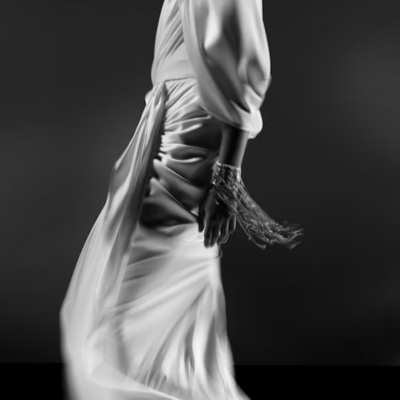
Fringe changes the personality of the scarf belt. A plain silk scarf creates a polished, almost graphic line around the waist. Fringe breaks that line apart. The ends move when you walk, creating a small amount of kinetic energy in an otherwise static outfit.
That makes fringe particularly useful with coats and tailoring.
Chanel’s Fall/Winter 2026 Pre Collection demonstrates how far the concept can now go, with scarves extending beyond traditional silk into leather and suede and being deliberately positioned around the waist.
A fringed scarf also has a stronger connection to the history of decorative textiles. It feels less like a practical belt and more like an ornamental textile. That is exactly why it can make a simple outfit look more considered.
Scarf at the Waist or Scarf at the Hip?
There is no single correct placement because each position creates a different visual effect.
At the waist, the scarf creates a stronger division between the upper and lower sections of the outfit. This is useful when the dress, coat, or blazer feels too long or visually uninterrupted. At the hip, the effect is more relaxed. The scarf becomes less about creating a precise waist and more about adding a decorative line and movement.
This idea is hardly new. The Metropolitan Museum of Art documents the long tradition of textile sashes worn around the waist in Iran. By the seventeenth century, long and wide sashes were wrapped and knotted around the waist, with decorative ends deliberately positioned so they could be seen. The museum describes these sashes as important accessories that could also communicate the wearer’s status through their material and decoration.
The modern scarf belt should not be treated as a direct continuation of that tradition. Fashion history is more complicated than that. But the comparison reveals something useful: textiles have long been used around the waist for reasons that go far beyond holding clothing in place.
The waist can be a place for decoration, identity, craftsmanship, and visual emphasis. The scarf belt is simply giving that old idea a contemporary wardrobe.
Which Scarf Should You Use as a Belt?
Not every scarf is equally useful for this trend.
A long narrow scarf is the easiest starting point because it can wrap around the waist without creating too much bulk. Silk gives a polished finish and works particularly well with dresses and tailoring. Fine wool and cashmere create a softer, more autumnal effect. Suede and leather introduce more structure and can work particularly well with coats.
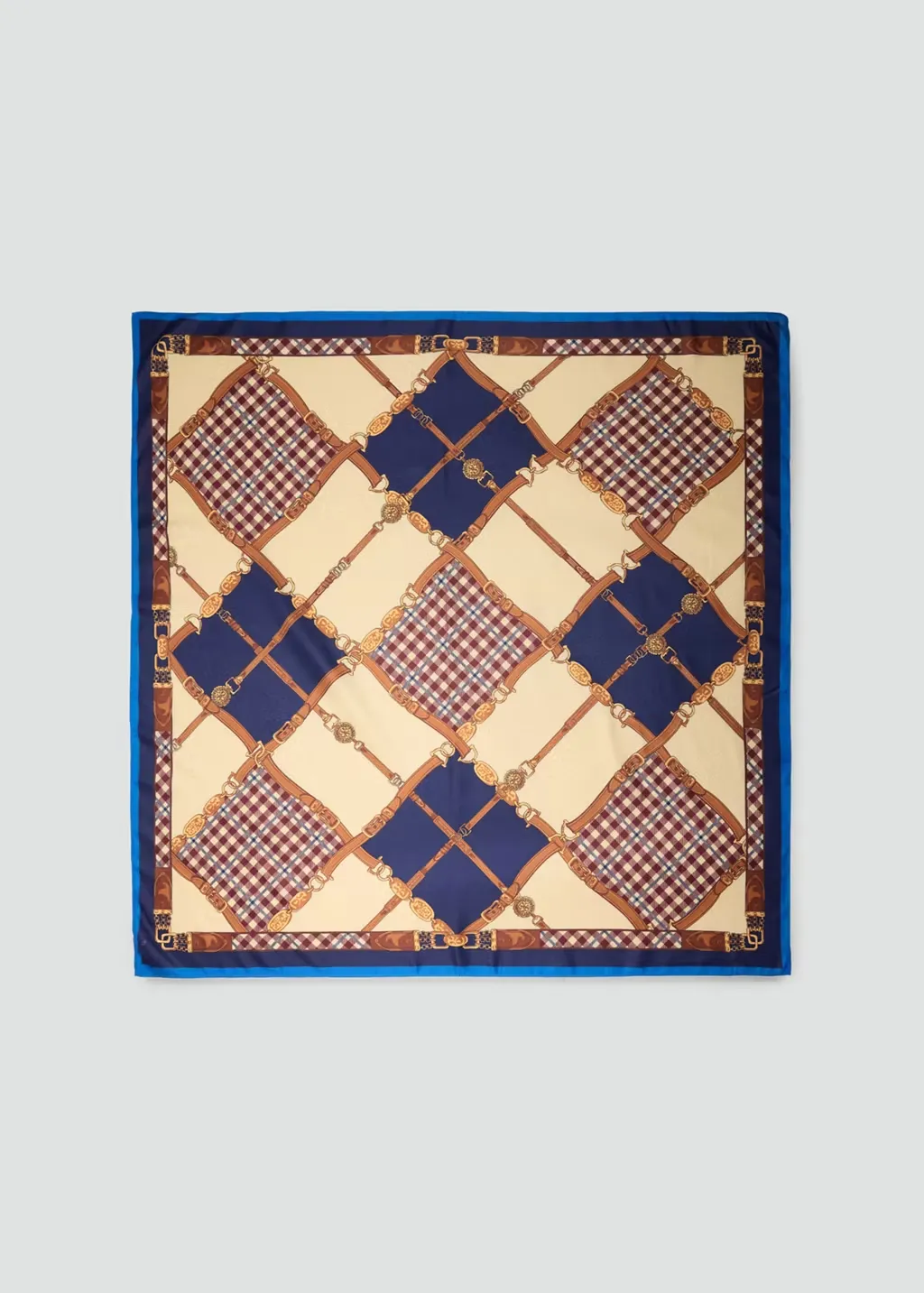
A square scarf can also work, but it needs to be folded carefully before wrapping. If too much fabric is left loose around the waist, the result can become bulky rather than fluid.
The print matters too. If the rest of your outfit is minimal, this is your opportunity to use a strong pattern. If your clothes already contain several colors, choose a scarf that repeats one existing shade.
Think of the scarf as the punctuation mark of the outfit. It should clarify the sentence, not compete with it.
Frequently Asked Questions About Scarf Belts
1. What is a scarf belt?
A scarf belt, hip scarf or waist scarf is a scarf worn around the waist or hips as a decorative alternative to a traditional belt. It can be tied directly around clothing, threaded through belt loops, or wrapped over garments such as dresses, blazers, and coats.
2. Can you wear a scarf belt with a modest outfit?
Yes. A scarf belt can be particularly effective with modest clothing because it creates visual definition without requiring a fitted silhouette. It works well with maxi dresses, wide leg trousers, oversized blazers, and long coats.
3. What kind of scarf works best as a belt?
Long, narrow scarves are usually the easiest to style because they can wrap around the waist without creating excessive bulk. Silk, cashmere, fine wool, suede, and leather can all work depending on the silhouette and season.
4. Should a scarf belt sit at the waist or the hip?
Both placements work. A waist placement creates a stronger visual division and can give a long silhouette more structure. A lower hip placement feels more relaxed and decorative.
5. Is the scarf belt still a trend in 2026?
Yes. The scarf belt has developed beyond the small bandana styling seen in previous seasons. Current Fall/Winter 2026 collections include scarves designed to be wrapped around the waist, while longer and more textured scarf styles are being used as visible elements of the outfit.
READ THE PREVIOUS POSTS

Spring Summer 2027: Why Fashion Is Embracing Bold Shapes and Expressive Style
From sculptural skirts and balloon trousers to expressive color and visible craftsmanship, explore ten Spring/Summer 2027 runway ideas and learn how to make them work for modest style.

The Scarf Belt Is Fashion’s Softest Way to Create Shape
The triangle scarf is having a major moment for Fall 2026. From oversized coats to polished tailoring, here’s why this small accessory is becoming the season’s must have finishing touch.

The Frog Button Is Fashion’s New Punctuation
The triangle scarf is having a major moment for Fall 2026. From oversized coats to polished tailoring, here’s why this small accessory is becoming the season’s must have finishing touch.