- About Modest Fashion
- April 21, 2026
- 1
Redefining Modest Fashion: The Luxury Guide to Modern Coverage
Modest fashion 2026 is no longer a quiet niche. It has become a global movement shaping how women dress, shop, and define personal style. What once started as a cultural or religious expression has evolved into a deliberate style choice embraced by women who value elegance, intention, and sustainability.
Modest fashion is a style of dressing that prioritizes greater coverage while allowing room for personal expression, elegance, and individuality. It can include long dresses, maxi skirts, wide-leg trousers, high necklines, long sleeves, layering, relaxed silhouettes, and thoughtfully tailored pieces.
Unlike a single dress code, modest fashion has no universal formula. Its meaning can differ according to culture, religion, personal values, and individual style. For some women, modesty is rooted in faith or tradition; for others, it is simply a preference for sophisticated silhouettes and greater coverage. Today, modest fashion exists across the global fashion landscape, from everyday wardrobes to luxury collections and the runway.
Modest fashion in 2026 means dressing with structure, sustainability, and quiet confidence. It prioritizes high-quality fabrics, fluid tailoring, earthy tones, and intentional wardrobes over fast trends and excessive layering. It is a mindset as much as a style.
If you are wondering whether modest fashion is still relevant, the answer is clear. It is more influential than ever. This guide breaks down six trends redefining modest fashion in 2026, what they mean for your wardrobe, and how to build a look that feels modern, elevated, and future-proof.
The History of Modesty in Fashion
Modesty in dress is far from a modern fashion movement. Across centuries and cultures, clothing has reflected ideas about identity, tradition, social values, religion, status, and personal expression. From the flowing garments of the ancient Mediterranean world to the long silhouettes of traditional Middle Eastern dress, modest clothing has often been deeply connected to culture, craftsmanship, and identity. In many societies, covering the body was not simply about restriction, but also about elegance, dignity, and belonging.
In Islamic tradition, the concept of ḥayāʾ (حياء), often translated as modesty, encompasses far more than clothing. It reflects a broader sense of dignity, humility, decency, and self-respect, with modest dress being one expression of these values. Over generations, this understanding of modesty has influenced distinctive approaches to dress, from flowing silhouettes and layered garments to beautifully crafted textiles and head coverings.
During the Middle Ages and Renaissance, European fashion also frequently favoured garments that covered much of the body, although silhouettes, fabrics, and levels of ornamentation varied according to social class and period. Across North Africa, the Middle East, and the Mediterranean, traditional forms of dress developed their own sophisticated approaches to modesty, using draping, layering, embroidery, and luxurious textiles to create distinctive silhouettes. The caftan, for example, became an important garment across the region, demonstrating how modest dressing could be both practical and exceptionally refined.
The meaning of modesty continued to evolve as fashion changed. The nineteenth and twentieth centuries introduced new silhouettes, hemlines, and attitudes toward women’s clothing, while cultural and religious traditions continued to preserve their own approaches to modest dress. By the late twentieth and early twenty-first centuries, modest fashion began to emerge more visibly within the global fashion industry, particularly as women sought clothing that aligned with their values without compromising on style.
Today, modest fashion has moved beyond a single cultural or religious definition. It can encompass long dresses, tailored trousers, flowing skirts, high necklines, layering, relaxed silhouettes, and thoughtfully designed pieces that offer greater coverage. For many women, modesty is now a personal choice as much as a cultural or religious one. The new era of modest fashion is therefore not about following one fixed formula, but about redefining elegance through confidence, craftsmanship, individuality, and intention.
Who Is Modest Fashion For?
Modest fashion does not belong to one culture, religion, or definition of femininity. While modest dress has deep roots in religious and cultural traditions around the world, today it is also embraced by women who simply appreciate greater coverage, refined silhouettes, comfort, and a more intentional approach to getting dressed.
For some women, modesty is closely connected to faith and religious values. For others, it reflects cultural heritage and tradition, passed down through generations and expressed through distinctive fabrics, silhouettes, embroidery, and craftsmanship. Modest fashion can also be entirely personal: a woman may prefer long dresses, covered shoulders, higher necklines, or relaxed silhouettes simply because they make her feel confident and comfortable.
There is also a growing appeal among women who see modest dressing as a form of modern elegance. Tailored trousers, flowing dresses, longline jackets, refined layering, and beautifully crafted fabrics can create a sophisticated wardrobe without relying on revealing cuts or excessive trends. In professional settings, modest silhouettes can offer a polished and composed aesthetic, while for everyday dressing they can provide comfort without compromising style.
For many women, the appeal also lies in versatility and longevity. Choosing well-made pieces with timeless silhouettes can make it easier to create multiple outfits from a smaller wardrobe. Rather than constantly buying into every new trend, modest fashion can encourage a more considered relationship with clothing, where quality, fit, craftsmanship, and personal style take precedence.
Ultimately, there is no single woman who defines modest fashion. She may dress modestly because of faith, culture, comfort, personal preference, professional style, or simply because she finds beauty in understated elegance. What connects these different approaches is the freedom to define modesty on one’s own terms while dressing with intention.
What Does Modest Fashion Look Like in 2026?
Modest fashion in 2026 is defined by two principles: structure over layering, and sustainability over excess.
It is no longer about simply covering up. It is about controlled elegance, choosing how you present yourself with intention. In a world where fashion often equates visibility with value, modest fashion flips the narrative. Coverage is not restrictive. It is powerful, refined, and quietly confident.
That shift changes how you shop, how you style, and what you invest in. Here are the six trends making it happen.
Why Is Sustainable Modest Fashion the New Standard?
Sustainability is no longer a trend. In 2026, it is an expectation. Sustainability has moved from a niche concern to an increasingly important consideration in fashion, particularly as consumers pay closer attention to materials, durability and how garments are produced.
Consumers are more informed than ever, and brands are being held accountable for how their clothing is produced. Research from McKinsey & Company consistently shows shoppers prioritizing eco-conscious materials and ethical production over convenience.
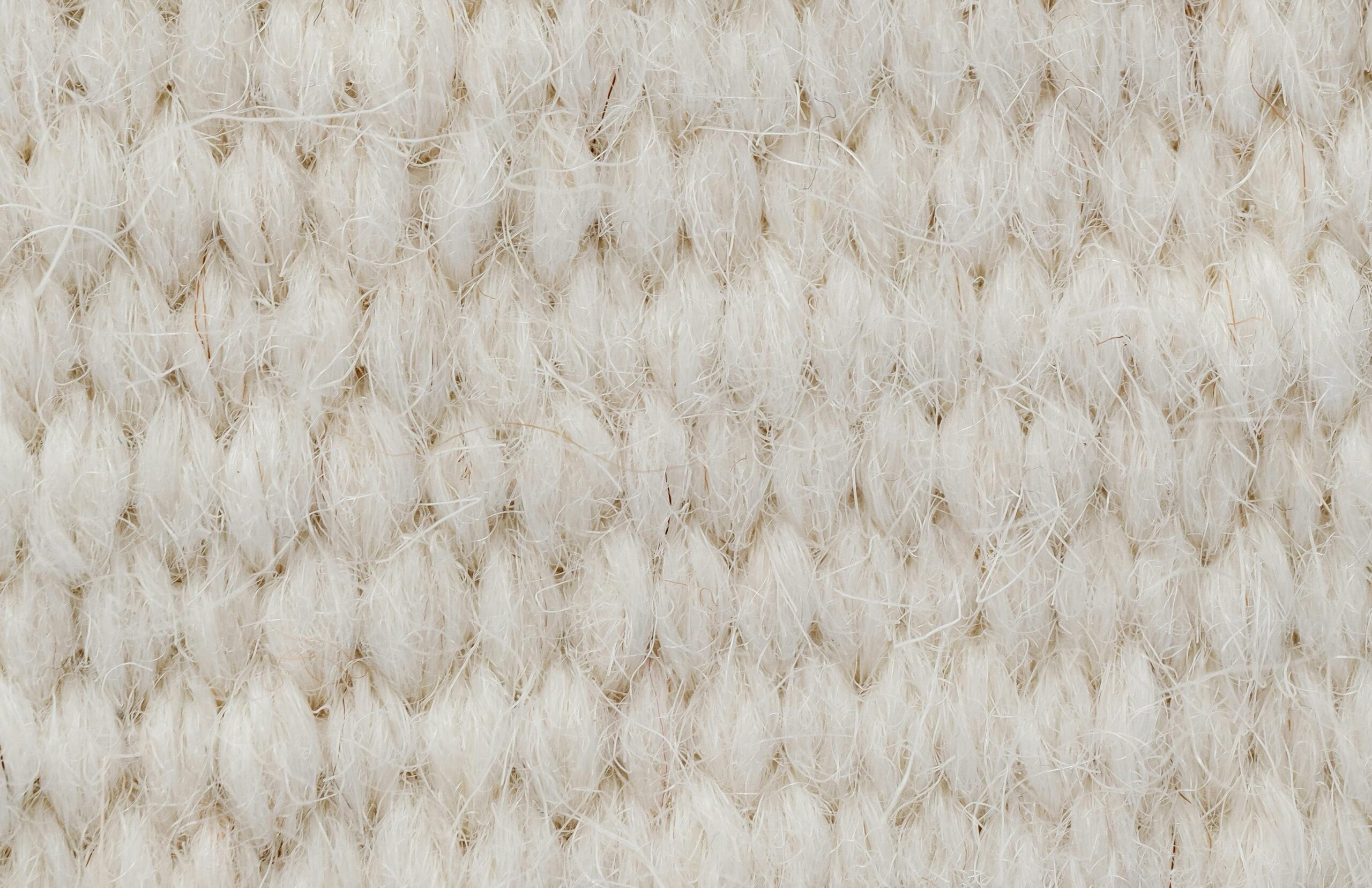
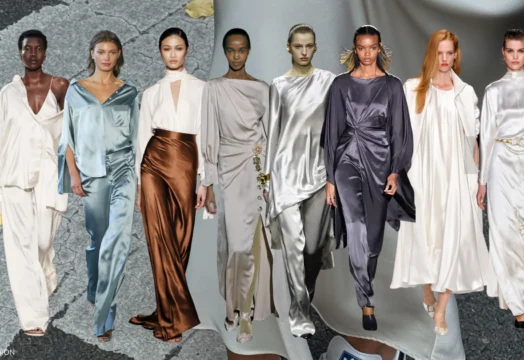
Modest fashion naturally aligns with this shift. Instead of fast, disposable trends, modest wardrobes focus on timeless investment pieces made from high-quality fabrics. Linen has become a signature of modern modest style because it is breathable, durable, and effortlessly elegant. Organic cotton works beautifully for everyday structure. Responsible silk and lower-impact satin blends bring that polished finish without the environmental cost.
The practical takeaway: when shopping for your next piece, check the fabric composition first. A single linen co-ord set will outlast and outperform five polyester alternatives. Sustainable modest fashion is not a marketing angle anymore. It is the baseline for building a wardrobe that lasts.
How Is Fluid Tailoring Replacing Over-Layering?
One of the biggest shifts in modest fashion 2026 is the move away from heavy layering.
For years, modest outfits relied on multiple layers to achieve coverage. In 2026, that approach feels outdated and unnecessary. The focus now is fluid tailoring: wide-leg trousers that drape without clinging, structured co-ord sets that create a complete look in two pieces, longline blazers that define the silhouette, and softly defined waists that add shape without compression.
This evolution is heavily influenced by fashion capitals like Milano, where tailoring has always been a form of art. The silhouette becomes architectural, clean, deliberate, and composed.
What this means for you: instead of adding a cardigan over a blouse over a camisole, invest in one beautifully cut piece that does the work on its own. A wide-leg trouser in a structured fabric gives you full coverage and a clean line without the bulk. Tailoring is the new layering.
Which Colors Define Modern Modest Style?
Color is playing a powerful role in shaping modest fashion trends in 2026. Bright, loud palettes are making way for earthy, grounded tones that communicate quiet luxury and emotional balance.
The dominant shades right now are terracotta, sand, warm beige, muted olive, and soft pastels. These tones do more than look good. They create a sense of calm authority and make it significantly easier to build a capsule wardrobe where every piece works together without effort.
Here is the real value: when you commit to an earthy palette, getting dressed becomes faster and more intentional. Every piece in your closet pairs naturally with every other piece. No more standing in front of your wardrobe wondering what goes together. If your goal is to look polished without overthinking, this color direction is essential. Start with three neutral base tones and add one accent shade per season.
For a closer look at the season’s wider color and fabric story, read The colors set to define fashion this autumn and The Materials Moment: Why Suede, Velvet, and Technical Fabrics Own Fall 2026.
How Are Customized Abayas and Elevated Sets Changing Modest Fashion?
Customization is one of the fastest-growing shifts in modest fashion, especially in fashion-forward cities like Dubai.
The traditional abaya has been completely reimagined. In 2026, abayas are tailored, structured, sometimes subtly cinched, and designed with premium fabrics that move with you rather than hang passively. They function as statement outerwear, not just coverage.
At the same time, two-piece modest sets are dominating wardrobes because they solve a real styling problem. A matching set gives you a polished, put-together look instantly, and each piece works independently with the rest of your closet. One set becomes four or five outfits when you separate and remix the pieces.
This trend reflects a deeper shift: modest fashion is becoming practical luxury. It is no longer about having more pieces. It is about having better ones that work harder for you.
What Is Warm Minimalism in Modest Fashion?
Minimalism is evolving. In the past, it often felt cold, rigid, and impersonal. In 2026, it has transformed into something much more inviting: warm minimalism.
This means clean lines paired with soft textures and natural fabrics. Instead of stark black-and-white contrasts, warm minimalism embraces softness and depth through tonal dressing, subtle texture mixing, and quality over quantity.
A structured coat worn for five years holds more style value than a closet full of seasonal impulse purchases. This is where the real savings happen. When you buy fewer, better pieces, your cost-per-wear drops dramatically and your style becomes more consistent. Warm minimalism is not just an aesthetic. It is a financial strategy for your wardrobe.
Why Is Confidence the Core of Modest Fashion 2026?
The most important trend is not visual. It is psychological.
Modest fashion in 2026 is about presence without exposure, authority without noise, elegance without effort. In a digital world where everyone competes for attention, modesty stands out precisely because it is rare. And rare is powerful.
Women are no longer dressing modestly to fit expectations. They are doing it as a statement of identity and control. This shift transforms modest fashion from a style into a mindset. When you dress with intention, you carry yourself differently. People notice that energy before they notice any single garment.
How to Build a Modern Modest Wardrobe in 2026
If you want to apply these trends, focus on principles over pieces. Invest in high-quality fabrics rather than quantity. Choose structured, well-cut garments instead of layering excessively. Stick to a neutral, earthy color palette that makes mixing effortless. Prioritize versatility through co-ords, sets, and tailored basics that serve multiple outfits. Focus on fit and tailoring above all else. Buy with long-term use in mind, asking yourself whether you will still reach for this piece in three years.
A modern modest wardrobe is not built overnight. It is curated intentionally, one considered decision at a time.
How to Dress Modestly Without Sacrificing Style
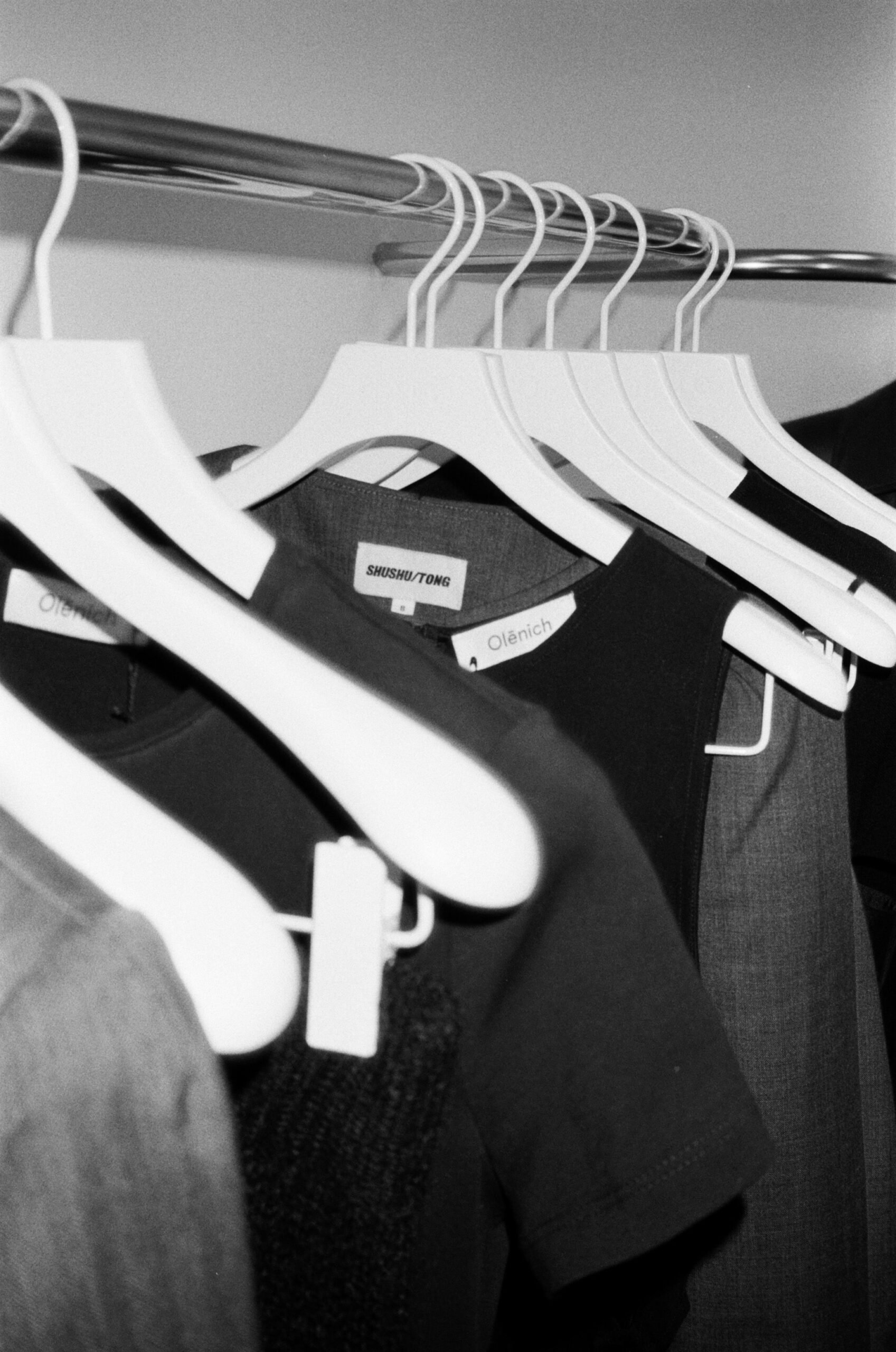
Dressing modestly does not mean choosing between coverage and style. The most sophisticated modest looks are built around proportion, fabric, tailoring, and thoughtful styling rather than simply adding more layers. Whether your personal definition of modesty comes from faith, culture, comfort, or aesthetics, the goal is to create a silhouette that feels considered, elegant, and entirely your own.
Choose the Right Silhouette
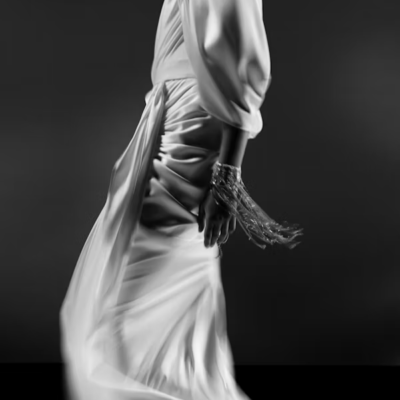
The silhouette is the foundation of a modest outfit. Instead of relying on oversized layers to create coverage, look for garments that provide room and movement while maintaining a defined shape. Wide-leg trousers, flowing maxi skirts, long dresses, and longline blazers can create elegant proportions without making an outfit feel heavy.
A well-cut trouser paired with a relaxed blouse can be just as modest as a heavily layered outfit, while feeling considerably more polished.
Pay Attention to Fabric and Opacity
Coverage is only part of modest dressing. Fabric matters just as much. Lightweight does not have to mean sheer, and breathable does not have to mean revealing. Look for fabrics that offer enough opacity and structure while still allowing the body to move comfortably.
Linen, cotton, Tencel, and other carefully selected natural fibres can work particularly well when temperatures rise. For a deeper look at fabric choices, read The Best Summer Fabrics Worth Wearing This Season, which explores materials that combine comfort, breathability, and elegance. You can also discover 5 Extraordinary Natural Fibers the Fashion World Is Obsessed With for a closer look at the materials shaping contemporary wardrobes.
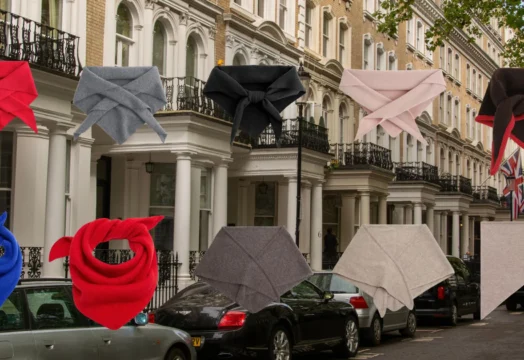
The same principle applies to accessories. A beautifully chosen hijab fabric can transform an otherwise simple outfit, adding texture, movement, and polish without requiring additional layers. Our guide to the perfect hijab fabric explores how material can influence both comfort and style.
Use Tailoring Instead of Excessive Layering
One of the biggest misconceptions about modest fashion is that coverage requires multiple layers. In reality, thoughtful tailoring can often achieve the same effect with far less bulk.
A longline blazer, a high-neck blouse, a wide-leg trouser, or a beautifully cut maxi dress can provide coverage while maintaining a clean silhouette. This approach reflects the direction of modern modest fashion, where structure and fluidity increasingly replace unnecessary layering.
The result is an outfit that looks intentional rather than overworked.
Experiment With Proportion
Modest dressing becomes much more interesting when you play with proportions. Pair a voluminous skirt with a more structured top, balance wide-leg trousers with a streamlined jacket, or combine a flowing dress with architectural accessories.
Proportion is also one of the easiest ways to make modest clothing feel contemporary. You do not need revealing cuts to create visual interest. Movement, volume, texture, and contrast can do the work instead.
For inspiration beyond everyday dressing, explore our modest yacht outfit ideas, which demonstrate how elegant proportions can create polished looks for elevated occasions.
Build Around Versatile Pieces
A stylish modest wardrobe does not need to be overflowing with clothes. Start with versatile pieces that can be worn in multiple ways and across different occasions. A tailored blazer, a flowing maxi dress, wide-leg trousers, a refined skirt, and a high-quality neutral top can form the foundation of countless outfits.
This is where the concept of a capsule wardrobe becomes particularly powerful. Instead of constantly chasing new trends, focus on pieces that work together through colour, silhouette, and fabric. Discover The Effortless Elegance of a Modest Capsule Wardrobe for more ideas on creating a wardrobe that feels cohesive, timeless, and considered.
Let Colour and Texture Create the Interest
Modest outfits do not need dramatic cuts to make an impression. Colour and texture can create just as much impact.
Earthy neutrals, soft pastels, rich browns, olive, terracotta, and warm beige can create an elegant foundation, while contrasting textures add depth. Think crisp cotton with woven accessories, fluid fabric with structured tailoring, or soft knitwear with polished leather details.
If you want to experiment with colour, explore 3 Color Combinations the Fashion World Cannot Stop Wearing This Summer and The Colours Worth Investing in This Summer for inspiration on creating sophisticated combinations without relying on excessive styling.
Personalize the Look
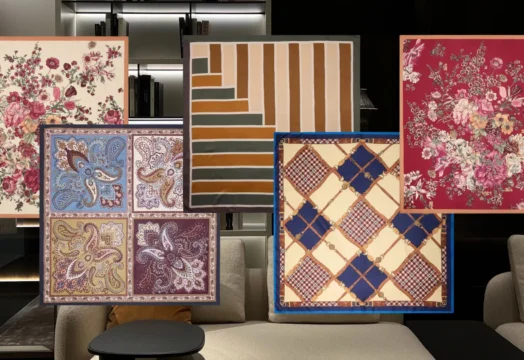
Finally, modest fashion should still feel personal. Your clothing can reflect your personality through accessories, colour, jewellery, shoes, bags, scarves, and subtle details.
The most compelling modest outfits are not defined by a strict checklist. They are defined by intention. Choose pieces that make you feel comfortable and confident, understand the proportions that work for you, and allow your wardrobe to evolve with your personal style.
Modesty is not about making yourself disappear. It is about deciding how you want to be seen.
The Future of Modest Fashion Starts Now
Modest fashion 2026 is not about restriction. It is about refinement. It represents a shift away from fast, loud, and disposable fashion toward something deeper, more intentional, and more sustainable.
As the industry continues to evolve, modest fashion is no longer following trends. It is defining them.
Your next step: choose one piece that reflects this new era. Better fabric, sharper structure, quieter confidence. Start small, but start intentionally. If you are ready to build a wardrobe that actually lasts, [explore our curated collection] and see what intentional dressing looks like in practice.
Because luxury is no longer about what is seen first. It is about what is remembered.
Frequently Asked Questions About Modest Fashion
1. What is modest fashion?
Modest fashion is a style of dressing that prioritizes greater coverage while leaving room for personal expression, elegance, and individuality. It can include long dresses, maxi skirts, wide-leg trousers, high necklines, long sleeves, layering, and relaxed or tailored silhouettes. There is no single definition of modest fashion, as it can be shaped by faith, culture, personal values, comfort, or individual style.
2. What does modest fashion mean?
Modest fashion means dressing in a way that feels aligned with your own definition of coverage, comfort, and elegance. For some women, modesty is connected to religious or cultural values, while for others it is simply a preference for sophisticated, less revealing clothing. Today, modest fashion is increasingly viewed as a form of personal expression rather than a fixed dress code.
3. Is modest fashion only for Muslim women?
No. Although modest fashion has strong connections to Islamic traditions and the concept of ḥayāʾ, modest dressing exists across many cultures, religions, and communities. Women may choose modest clothing for religious reasons, cultural traditions, personal preference, professional settings, comfort, or aesthetic reasons. The modern modest fashion movement therefore includes women with many different backgrounds and approaches to dressing.
4. What makes an outfit modest?
There is no universal formula for what makes an outfit modest. Common characteristics can include greater coverage, higher necklines, longer hemlines, longer sleeves, relaxed silhouettes, and fabrics that are not overly sheer or revealing. However, modesty is ultimately influenced by personal, cultural, and religious expectations. A well-tailored maxi dress, wide-leg trousers, or longline blazer can all form part of a modern modest wardrobe.
5. Is modest fashion still trending in 2026?
Yes. Modest fashion continues to gain visibility across contemporary fashion, with designers, brands, and consumers exploring longer silhouettes, fluid tailoring, elevated sets, refined layering, and more intentional wardrobes. Its growing appeal also reflects a broader interest in versatility, quality, craftsmanship, and personal style. In 2026, modest fashion is increasingly presented as a sophisticated fashion choice rather than a niche category.
6. How can I dress modestly and stylishly?
Start with silhouette, proportion, and fabric rather than simply adding layers. Wide-leg trousers, flowing maxi dresses, longline blazers, high-neck tops, and tailored skirts can provide coverage while maintaining a polished appearance. Choose quality fabrics, experiment with colour and texture, and build outfits around versatile pieces that work together. The goal is not to hide your personal style, but to express it through thoughtful proportions and intentional dressing.
7. What are the best fabrics for modest clothing?
The best fabric depends on the season, garment, and desired silhouette. Linen and cotton can be excellent choices for warmer weather because of their breathability, while structured fabrics can help create polished tailored silhouettes. For hijabs, the ideal fabric also depends on factors such as drape, opacity, comfort, and climate. Ultimately, choosing fabrics with the right combination of quality, coverage, movement, and durability is more important than following one universal material list.
8. Is modest fashion sustainable?
Modest fashion can complement a more sustainable approach to dressing when it focuses on quality, versatility, longevity, and thoughtful consumption. Investing in well-made pieces that can be styled in multiple ways may reduce the need to constantly replace trend-driven clothing. However, modest fashion itself is not automatically sustainable; sustainability depends on factors such as materials, production, garment quality, care, and how long a piece remains in use.







#Comment
Proportion in Fashion: 7 Powerful Ways to Style Your Proportions
[…] For a broader look at how modern modest wardrobes are evolving toward structure, fluid tailoring, and intentional silhouettes, see Rópard’s The New Era of Modest Fashion. […]