- About Modest Fashion, The Styling Atelier
- August 7, 2026
- 0
The Secret Behind the Perfect Hijab Fabric Every Stylish Woman Should Know
Choosing the best hijab fabric can completely transform the way your hijab looks, feels, and performs throughout the day. The right material doesn’t only affect comfort. It influences how effortlessly your hijab drapes, how breathable it feels during warmer months, and even how polished your outfit appears.
With so many options available, from the endlessly popular jersey hijab to elegant silk, airy chiffon, luxurious modal, and sustainable bamboo, it is easy to feel overwhelmed. Every fabric serves a different purpose, and understanding those differences makes building a versatile hijab collection much easier.
If you’re also planning your seasonal wardrobe, don’t miss our guide to The Best Summer Fabrics Worth Wearing This Season, where we explore the lightweight materials that keep you cool without compromising on style.
Whether you’re searching for a breathable hijab for summer, a fabric that stays perfectly in place all day, or an elevated option for special occasions, this guide explains everything you need to know before investing in your next hijab.
What Makes the Best Hijab Fabric?
The truth is that there is no single fabric that works perfectly for every woman or every situation. The best choice depends on your lifestyle, the climate, your styling preferences, and the occasion.
When comparing hijab fabrics, there are several qualities worth paying attention to.
Breathability determines how comfortable your hijab feels during long days, especially in warmer weather. Drape affects how elegantly the fabric falls around the face and shoulders. Some materials create structured folds, while others produce a softer, more fluid silhouette.
Grip is another important factor. Certain fabrics stay securely in place without pins, while others require an underscarf to prevent slipping.
Natural fibres such as cotton, linen, bamboo, and modal are increasingly valued for their comfort and sustainability. Textile Exchange provides extensive resources on responsible fibre production.
Finally, consider durability and maintenance. Some fabrics can be washed repeatedly with minimal care, while premium materials require more delicate handling.
Understanding these characteristics makes it much easier to choose the right hijab for every season and every outfit.
Jersey Hijab: The Everyday Favourite
Among all available fabrics, the jersey hijab remains one of the most loved choices worldwide. It has earned that reputation for good reason.
Unlike woven fabrics, jersey is knitted, giving it natural elasticity and an exceptionally comfortable feel. That stretch makes styling incredibly simple, even for beginners. Most women can achieve a secure wrap without relying on pins or underscarves.
Pair a jersey hijab with relaxed silhouettes for an effortless everyday look. Our Modest Summer Outfits Worth Recreating This Season offers plenty of inspiration for styling breathable fabrics.
Comfort is where jersey truly shines. The fabric feels soft against the skin, moves naturally throughout the day, and rarely feels restrictive. Because it adapts to movement, it has become a favourite for work, university, travelling, and even light exercise.
Another advantage is breathability. Many jersey hijabs are made from cotton, bamboo, or modal blends, helping regulate temperature while remaining lightweight enough for daily wear.
For women with sensitive skin, jersey is often an excellent choice because of its soft texture and gentle finish.
One consideration is that jersey can gradually stretch after frequent wear. Some lighter versions may also cling closely to the face, depending on the quality and fibre composition. Nevertheless, for everyday versatility, few fabrics rival the practicality of a jersey hijab.
Modal Hijab: Luxury You Can Wear Every Day
If jersey represents effortless practicality, the modal hijab offers understated luxury.
Modal is produced from beechwood fibres and is celebrated for its incredibly smooth texture. It combines the softness associated with silk with the practicality required for everyday use, making it one of today’s most sought after premium hijab fabrics.
One of modal’s greatest strengths is its breathability. The fibres naturally absorb moisture, helping keep the wearer cool and comfortable during warmer months. This makes modal particularly attractive for women living in hot climates or anyone searching for a lightweight breathable hijab.
Its drape is another reason for its popularity. Rather than creating stiff folds, modal flows gracefully around the face, producing an elegant silhouette that works beautifully for both casual and elevated outfits.
Unlike silk, modal is generally easier to maintain while still offering a refined appearance. It also holds colour exceptionally well, allowing rich neutral shades and vibrant seasonal colours to remain beautiful after repeated wear.
Environmentally conscious shoppers also appreciate that modal is derived from renewable beechwood sources, making it a more sustainable alternative to many synthetic fibres.
Like every premium fabric, modal does require gentle care. Improper washing or drying can lead to shrinkage or wrinkles, meaning careful maintenance helps preserve its luxurious finish. Despite this, many women consider the modal hijab one of the best long term investments in their wardrobe because it effortlessly balances comfort, elegance, and versatility.
Bamboo Hijab: Naturally Breathable and Exceptionally Soft
In recent years, bamboo has quietly become one of the most impressive materials in modest fashion.
A bamboo hijab combines softness, breathability, and sustainability into one remarkably versatile fabric. Depending on how it is produced, bamboo can resemble cotton in texture or even develop a subtle satin finish with a gentle sheen.
One of bamboo’s standout qualities is moisture management. The fibres naturally wick moisture away from the skin, helping the fabric remain comfortable even during humid summer days.
For women with sensitive skin, bamboo is particularly appealing because it is naturally gentle, hypoallergenic, and resistant to odours. Those qualities make it an increasingly popular option for long days at work, travelling, or simply staying comfortable throughout summer.
Bamboo also aligns with the growing demand for environmentally responsible fashion. Many bamboo textiles are produced from renewable plant sources and offer a more sustainable alternative compared to conventional synthetic fabrics.
The only compromise comes with certain bamboo satin variations, which can feel slightly slippery and may require an underscarf for added security. Over time, lower quality bamboo fabrics may also begin to pill if not properly cared for.
Chiffon Hijab: Elegant and Effortlessly Feminine
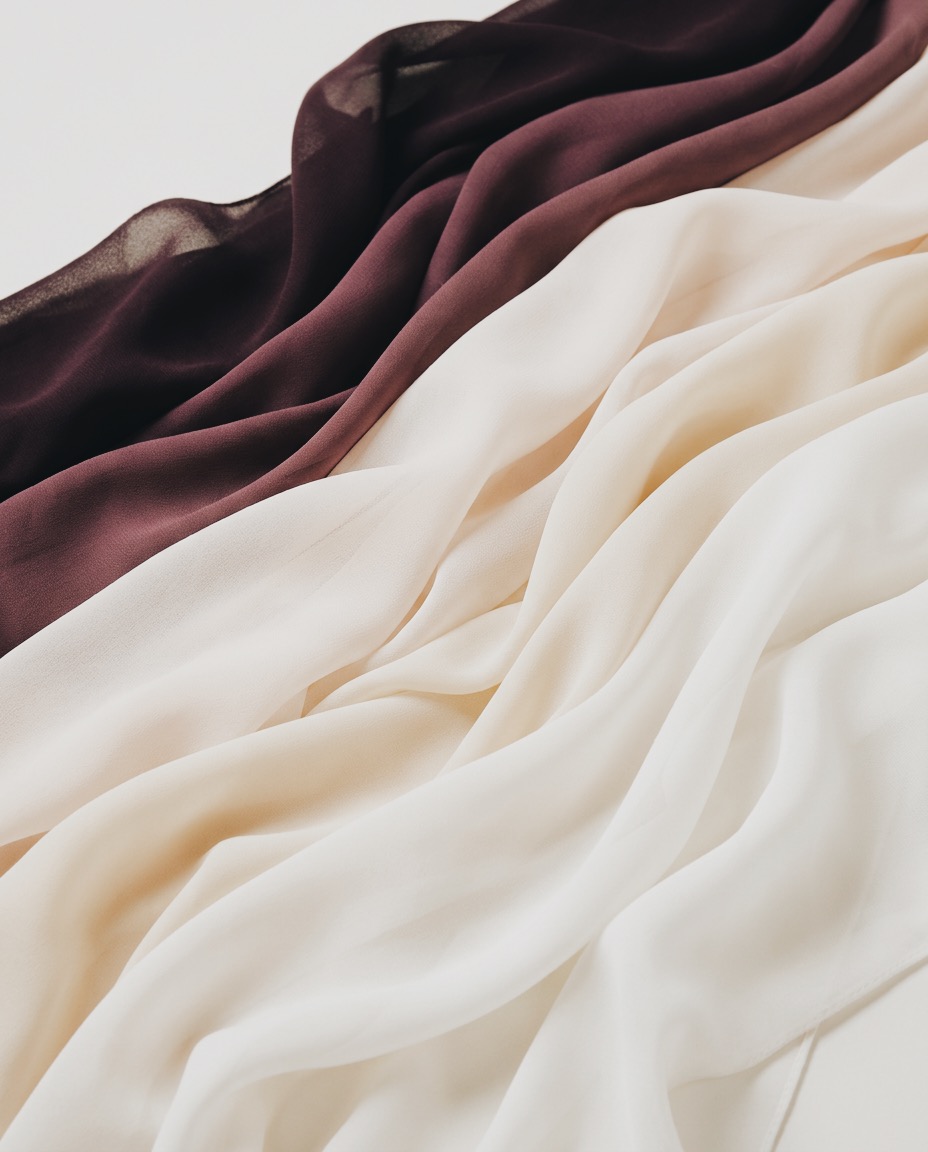
Few fabrics feel as timeless and graceful as chiffon. Known for its lightweight construction and flowing movement, a chiffon hijab instantly adds sophistication to any outfit. It has long been a favourite for weddings, formal dinners, Eid celebrations, and elegant evening occasions.
Chiffon is woven using tightly twisted yarns, creating a fabric that appears delicate while remaining surprisingly durable. Although it has a subtle texture, it drapes beautifully and creates soft folds that photograph exceptionally well.
Another reason chiffon remains so popular is its breathability. Because the fabric is lightweight and airy, it feels comfortable during warmer months, making it an excellent breathable hijab for summer events.
The main challenge with chiffon is its slippery nature. Unlike a jersey hijab, chiffon rarely stays in place on its own. Most women pair it with an underscarf and a few discreet pins to achieve a secure wrap. Textured chiffon or pleated chiffon versions provide slightly more grip while maintaining the same elegant appearance.
For women building a capsule hijab wardrobe, chiffon is less of an everyday essential and more of an occasion piece that instantly elevates any look.
Silk Hijab: Timeless Elegance for Special Moments
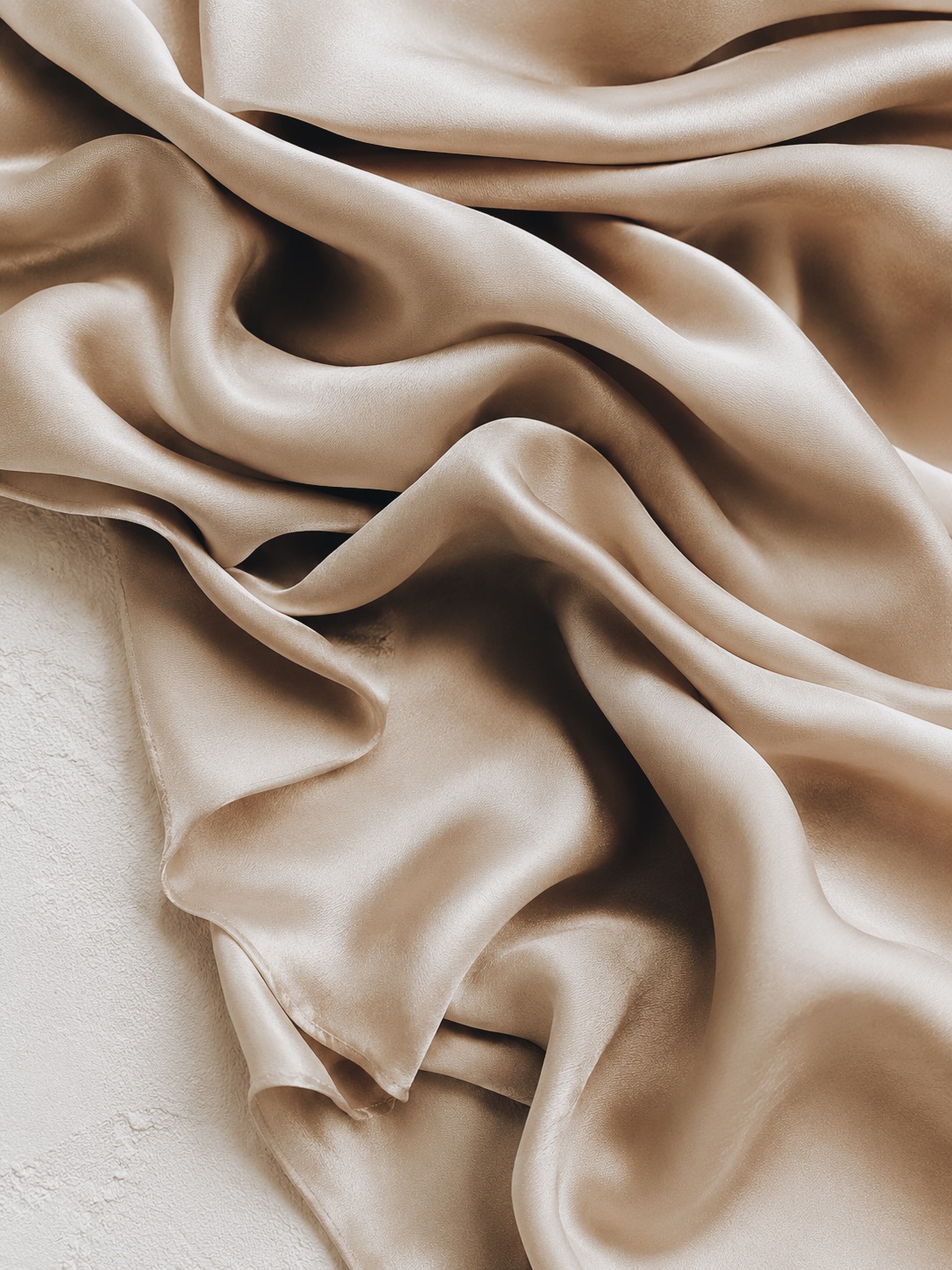
A silk hijab has long been admired for its refined appearance and graceful drape. Its natural sheen catches the light beautifully, creating an effortlessly polished look that feels elevated without being overstated.
Beyond its appearance, silk is naturally lightweight, breathable, and temperature regulating. It helps keep you cool in warmer weather while offering gentle insulation when temperatures fall, making it a surprisingly versatile fabric throughout the year.
Silk’s smooth texture is both one of its greatest strengths and one of its biggest challenges. The fabric can be slippery, so most women prefer wearing it with an underscarf or a few discreet pins to keep it securely in place.
Unlike everyday fabrics such as jersey or modal, silk requires a little more care. Gentle washing and proper storage help preserve its softness, sheen, and longevity. For that reason, many women reserve silk hijabs for weddings, Eid celebrations, formal dinners, and other special occasions.
While silk delivers an undeniably elegant finish, it is not necessarily the best choice for everyone. If comfort and effortless styling are your priorities, a jersey or modal hijab may be better suited to everyday wear. But when the occasion calls for a refined, sophisticated look, silk remains a beautiful addition to any hijab collection.
Cotton Hijab: Reliable, Comfortable and Timeless
Cotton continues to be one of the most dependable hijab fabrics available.
Its popularity comes from its simplicity. Cotton feels soft, allows excellent airflow, and is comfortable throughout long days. It also offers more grip than silk or chiffon, making styling considerably easier.
Because cotton is naturally absorbent, it performs particularly well in mild and warm weather. It is an excellent option for students, professionals, and anyone looking for a practical everyday hijab.
Cotton hijabs also require relatively little maintenance. They tolerate frequent washing well and remain durable over time, making them ideal for women who wear hijab daily.
The only downside is that cotton can wrinkle more easily than synthetic blends. Some heavier cotton fabrics may also feel slightly bulky when layered.
Despite these small compromises, cotton remains one of the safest investments for anyone building their first hijab collection.
Linen Hijab: The Summer Essential
As temperatures rise, linen becomes one of the most comfortable fabrics available.
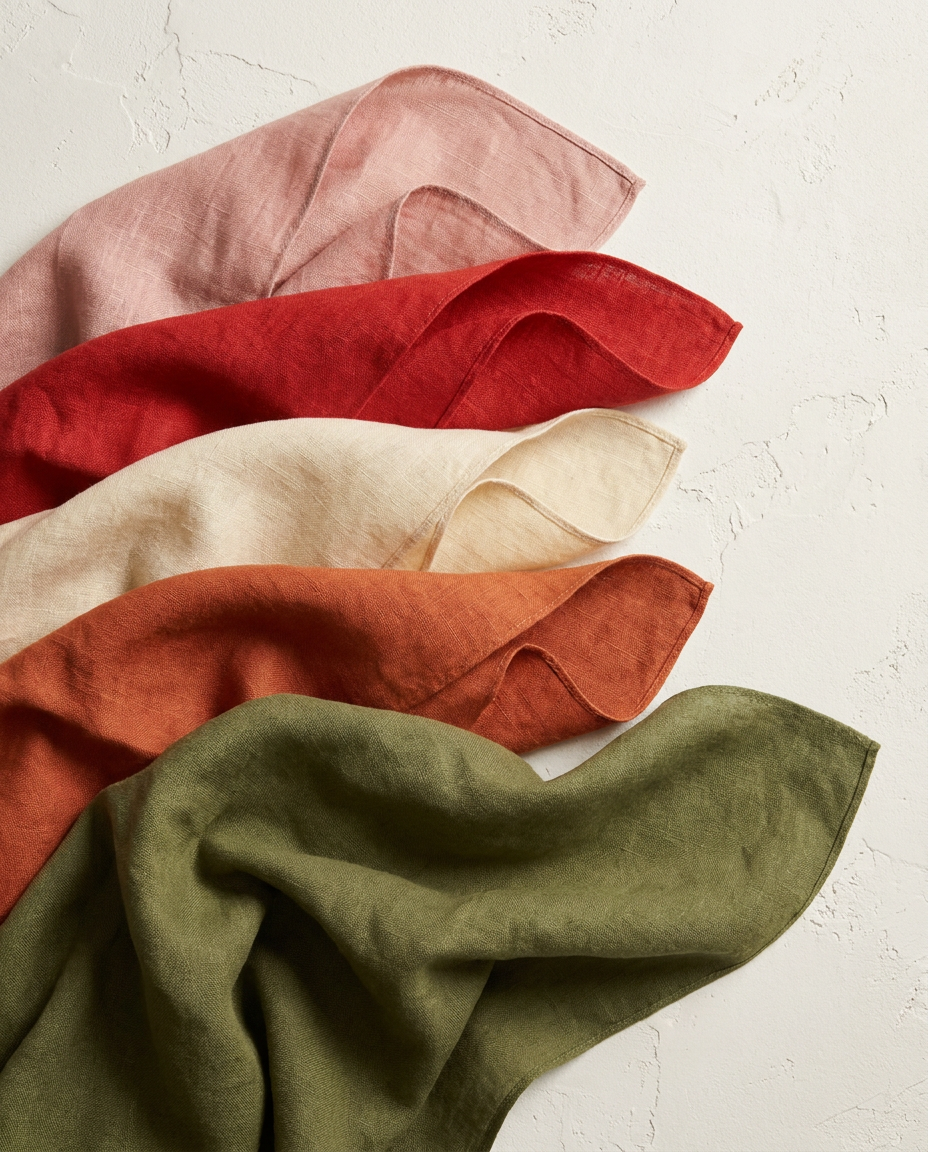
Made from natural flax fibres, linen is exceptionally breathable and allows air to circulate freely. It quickly releases heat and moisture, helping you stay comfortable even on the hottest days.
A linen hijab also brings a relaxed, textured appearance that pairs beautifully with minimalist wardrobes and neutral colour palettes. The slightly structured finish creates effortless volume without appearing bulky.
Its naturally wrinkled texture is part of its charm rather than a flaw. Many luxury brands intentionally embrace linen’s lived in appearance because it adds authenticity and character.
For travel, holidays, and everyday summer dressing, linen remains one of the smartest fabric choices.
Which Hijab Fabric Is Best for Every Season?
One of the easiest ways to build a practical hijab collection is by choosing fabrics according to the weather.
During summer, lightweight fabrics such as modal, bamboo, chiffon, linen, and lightweight cotton provide maximum breathability while helping regulate body temperature.
In autumn and spring, jersey, modal, viscose, and medium weight cotton create the perfect balance between warmth and airflow.
Winter often calls for slightly heavier jersey, thicker cotton, wool blends, or layered modal fabrics that offer extra insulation without becoming uncomfortable indoors.
Rather than relying on one material all year, having several fabrics available allows you to stay comfortable regardless of the season.
How to Choose the Best Hijab Fabric for Your Lifestyle
The best hijab fabric ultimately depends on how and where you wear it. If convenience is your priority, a jersey hijab is difficult to beat. Its stretch, comfort, and ability to stay in place make it one of the easiest fabrics to style. If you want something elegant enough for everyday wear while remaining incredibly soft, a modal hijab offers an ideal balance between luxury and practicality.
Women living in warmer climates often gravitate towards bamboo, linen, or lightweight cotton because these fabrics remain cool throughout the day. For weddings, formal events, and celebrations, chiffon and silk deliver the polished finish that special occasions deserve.
The most versatile wardrobe usually combines several fabrics rather than relying on just one, allowing you to dress comfortably while adapting to every season and every event.
Frequently Asked Questions About Hijab Fabrics
1. What is the best hijab fabric for everyday wear?
The best hijab fabric for daily wear depends on your lifestyle, but jersey and modal are the two most versatile options. A jersey hijab offers excellent stretch, stays securely in place without many pins, and feels comfortable from morning until evening. A modal hijab provides a softer, more luxurious drape while remaining breathable enough for everyday use.
2. Which hijab fabric is the most breathable?
If staying cool is your priority, look for a breathable hijab made from modal, bamboo, linen, lightweight cotton, or chiffon. These fabrics allow better airflow and absorb moisture more effectively than many synthetic materials, making them ideal for spring and summer.
3. Is jersey or modal better?
Neither is objectively better because they serve different purposes.
A jersey hijab is perfect for women who value convenience, comfort, and easy styling. It stretches naturally and usually stays in place without an underscarf.
A modal hijab is better suited for those looking for a refined appearance with an elegant drape while still enjoying exceptional softness and breathability.
Many women choose to own both because they complement different outfits and occasions.
5. Which hijab fabric is best for hot weather?
During warmer months, lightweight modal, bamboo, linen, chiffon, and cotton are among the best choices. These fabrics promote airflow, reduce heat retention, and help keep you comfortable throughout the day.
6. Which hijab fabric slips the least?
Jersey offers the most grip of all popular hijab fabrics. Cotton also provides excellent stability.
Silk and chiffon, while beautiful, tend to be much more slippery and usually require an underscarf together with one or two pins.
Building the Perfect Hijab Collection
Instead of searching for one perfect fabric, think about building a wardrobe that works for every part of your life.
Start with several neutral jersey hijabs for everyday wear. These will quickly become the pieces you reach for on busy mornings.
Add a few modal hijabs in timeless shades like taupe, mocha, black, olive, or ivory for occasions when you want a more elevated look without sacrificing comfort.
Include lightweight bamboo or linen hijabs for warmer weather, and finish your collection with one or two elegant chiffon or silk pieces for weddings, dinners, Ramadan gatherings, and special celebrations.
This approach creates a wardrobe that is both practical and luxurious while ensuring you’re prepared for every season and every occasion.
Final Thoughts
The fabric of your hijab influences far more than appearance. It determines how comfortable you feel throughout the day, how easily your hijab styles, and how confident you feel wearing it.
If effortless comfort is your priority, a jersey hijab remains one of the smartest investments. If you love elegant draping and luxurious softness, a modal hijab is difficult to beat. For warm climates, choosing a truly breathable hijab made from bamboo, linen, or lightweight cotton can make a remarkable difference.
Rather than chasing trends, focus on building a collection of high quality fabrics that suit your lifestyle. The right material will not only elevate your outfits but also make wearing your hijab more comfortable every single day.
As modest fashion continues to evolve, understanding fabrics becomes just as important as understanding style. Once you know how each material behaves, choosing the perfect hijab becomes effortless.
If you’re building your modest wardrobe, explore more guides from Rópard Journal, where we cover everything from seasonal colour trends and luxury styling to timeless wardrobe essentials designed to inspire every modest dresser.