
- The Arts of Craftsmanship
- July 14, 2026
- 1
What is a Fashion House: 5 Secrets of a True Maison de Couture
A fashion house is a fashion company built around a distinct creative identity, design philosophy and long-term legacy. It may create clothing, accessories, beauty products and other categories under a recognizable house name. In French, it is called a “maison de couture“. What separates a fashion house from a regular brand is its commitment to craftsmanship, heritage, and artistic direction that spans decades or even centuries.
You have probably heard the term thrown around loosely. Every brand with a logo and a dream calls itself a fashion house these days. But the title carries weight. To understand exactly where that distinction lies, read our guide to fashion houses vs. fashion brands. The term carries a meaning that goes beyond simply selling clothing under a recognizable name. It is not something you declare. It is something you earn through decades of exquisite work, cultural influence, and an almost obsessive devotion to craft.
So, what is a fashion house and what actually sets a fashion house apart from the sea of labels fighting for your attention?
What Is a Fashion House?
A fashion house is built around a founding creative vision that can endure far beyond any single collection or season. The French term maison de couture translates literally to “house of sewing,” but its meaning goes much deeper. A maison is not simply a label that produces clothing; it is a creative institution with its own identity, design codes, archives, craftsmanship, and history. Today, that identity is often carried forward by a creative director, who interprets the house’s heritage while shaping its future.
The modern fashion house began to take shape in Paris during the mid-19th century, with Charles Frederick Worth playing a particularly influential role. In 1858, Worth opened his own couture house and transformed the traditional relationship between dressmaker and client. Rather than simply creating garments according to a client’s instructions, Worth presented his own designs and established himself as the creative authority behind them. His name became part of the value of the garment itself, helping shift the designer from an anonymous dressmaker to a recognizable creative figure. Worth did not single-handedly invent the fashion house, but his approach helped establish a model that would profoundly influence the couture system and the designer-led fashion houses that followed.
How Does a Fashion House Differ From a Fashion Brand?
1. A Founding Creative Vision
2. Master-Level Craftsmanship
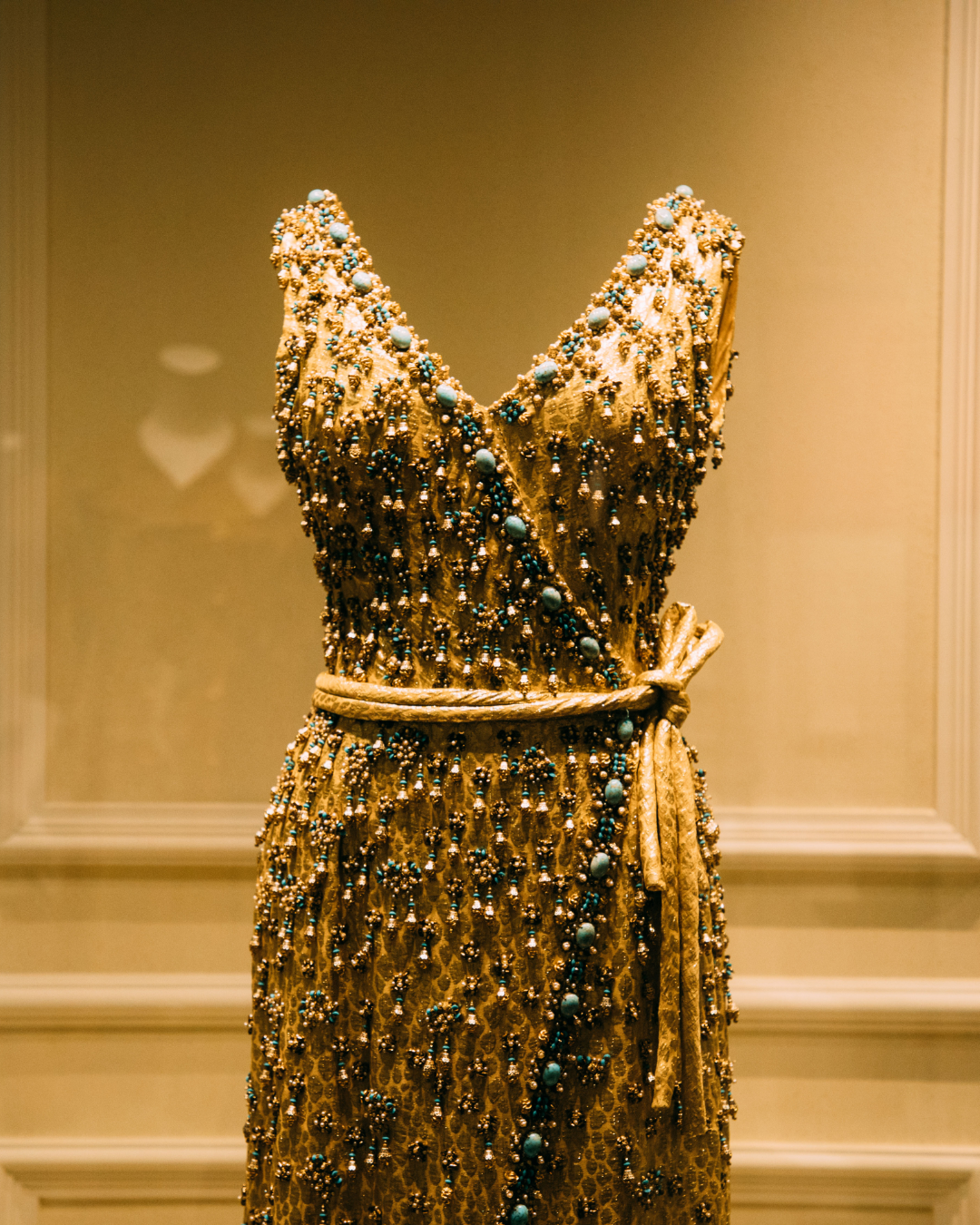
3. Heritage and Continuity
4. Cultural Influence Beyond Commerce
5. Cultural and Industry Influence
Are All Fashion Houses Haute Couture Houses? – The Haute Couture Connection
Not every fashion house is a haute couture house, and the two terms should not be used interchangeably.
A fashion house is a broad term for a fashion company built around a distinctive creative identity, recognizable design language, and an established house name. A fashion house may create ready to wear collections, accessories, footwear, beauty products, or other categories, and it does not need to produce haute couture to be considered a fashion house.
Haute couture, however, refers to a much more specific and regulated segment of fashion. In France, the term is closely associated with the official designation granted by the Fédération de la Haute Couture et de la Mode (FHCM). Its criteria relate to elements such as made to measure garments, specialized ateliers, highly skilled craftsmanship, and the presentation of couture collections in Paris.
This means that while some fashion houses, such as Chanel, Dior, and Schiaparelli, are also associated with haute couture, many fashion houses focus primarily on ready to wear and other areas of fashion. A brand can therefore become a respected fashion house without ever receiving official haute couture status.
In simple terms, haute couture is a category within the broader world of fashion houses, not a requirement for becoming one. A fashion house is defined by its creative identity, codes, heritage, and influence. Haute couture is defined by a specific level and system of craftsmanship, production, and presentation.
What Are Fashion House Codes?
A fashion house code is a recurring design element that helps identify a house across seasons, designers, and product categories. It may be a silhouette, material, construction method, motif, color, fastening, or cultural reference. The important distinction is that a code is not simply a logo or a popular product. It is a repeatable design language: something a house can reinterpret without losing its connection to its own history.
This idea is visible in the way museums and fashion houses describe their archives. The Metropolitan Museum of Art’s Costume Institute, for example, treats garments as evidence of changing design practices, materials, and cultural meanings rather than as isolated objects. Fashion houses similarly preserve and reactivate recurring elements through exhibitions, archives, and collections. A house code therefore works on two levels: it is both a design device and a form of institutional memory.
The main types of house codes
House codes usually fall into several overlapping categories:
- Silhouette: Dior’s Bar jacket, introduced with the 1947 New Look, remains one of the clearest examples. Its defined waist, rounded hips, and sculpted construction established a recognizable relationship between the body and the garment. Dior continues to reinterpret the Bar jacket rather than treating it as a fixed historical costume.
- Material and technique: Chanel’s use of tweed is linked to Gabrielle Chanel’s interest in menswear fabrics and to the house’s long-standing vocabulary of relaxed luxury. Quilting, chain details, and contrasting trims extend that vocabulary across ready-to-wear, handbags, and accessories.
- Motif and symbol: Chanel’s camellia and interlocking CC emblem are among its most recognizable visual markers. Hermès’s equestrian references, including bridles, saddlery, and horse-related imagery, connect products to the house’s origins as a maker of riding equipment.
- Product architecture: Some codes are defined by construction rather than decoration. The Hermès Kelly and Birkin bags, for instance, are recognized through their proportions, structured form, closure, and handcraft traditions—not merely through a visible logo.
- Pattern and outerwear: Burberry’s trench coat and check demonstrate how a functional garment and a repeat pattern can become a house’s public shorthand. Burberry traces its trench-coat heritage to Thomas Burberry’s weatherproof gabardine and the military use of the coat during the First World War.
These examples also show why a code should not be confused with a trend. A trend is usually defined by short-term adoption across the market. A house code is valuable because it remains legible when fashion changes.
Why house codes matter
House codes give a brand continuity, but continuity does not mean repetition. The strongest houses use codes as constraints that generate new ideas. A designer may enlarge a familiar motif, change its material, move it from clothing to accessories, or remove it almost entirely while retaining its underlying logic.
This is particularly important when creative leadership changes. A new designer must establish an individual point of view while demonstrating that the collection belongs to the house. Codes provide that bridge. They make change recognizable rather than arbitrary.
They also help consumers read products quickly. In a crowded luxury market, a distinctive construction detail or silhouette can communicate origin before a logo is visible. That recognition has commercial value, but reducing codes to marketing would miss their deeper function: they organize a house’s relationship with its archive.
How to identify a genuine house code
A useful test is to ask four questions:
- Does the element recur across multiple decades?
A detail that appears in one successful collection may be a signature of a designer, not yet a house code. - Does it appear across more than one category?
A true code often moves between clothing, bags, shoes, jewelry, packaging, interiors, or communications. - Can it be reinterpreted without becoming unrecognizable?
If changing the color or scale destroys the reference completely, the element may be a logo or a single product feature rather than a flexible code. - Is there evidence in the house’s own history?
Archive records, museum exhibitions, official house histories, and reputable fashion journalism are more reliable than social-media lists of “iconic details.”
This method also prevents a common mistake: treating every recurring visual feature as equally important. Some elements are foundational; others are seasonal, commercial, or associated mainly with one creative director.
House codes are not fixed forever
A house code can weaken through overuse, become detached from its original meaning, or be revived in a new context. It can also be contested. The same motif may signify craftsmanship in one period and overt branding in another.
For that reason, the most durable codes tend to combine recognition with substance. Chanel’s tweed is not only a repeated texture; it is tied to the house’s history of adapting traditionally masculine materials. Dior’s Bar jacket is not merely a famous shape; it represents a particular approach to tailoring and the sculpting of the body. Hermès’s leather goods are not defined only by scarcity; their identity is connected to saddlery, construction, and handwork.
The best way to understand a fashion house code, then, is not to ask, “What does this brand put on everything?” but rather: What design decisions does this house return to, and what do those decisions reveal about its history and values?
Why Do Fashion Houses Still Matter?
Can a New Fashion Brand Become a Fashion House?
Yes. A fashion house does not necessarily have to be centuries old. While heritage and history can strengthen a house’s identity, age alone does not determine whether a fashion brand can become a fashion house. What matters is the development of a distinctive creative identity, recognizable house codes, continuity, craftsmanship, and lasting influence.
This distinction is important when looking at younger fashion houses. Maison Margiela, founded in 1988 by Martin Margiela, is a strong example of how a relatively young brand can develop the characteristics associated with a fashion house. From its unconventional approach to construction and deconstruction to its distinctive anonymity and design language, the maison established an identity that extended beyond individual collections.
The difference, therefore, is not simply between an “old” fashion house and a “new” one. A young fashion house can have a shorter history while still developing a strong creative legacy. A fashion brand, on the other hand, may remain primarily focused on products, trends, or commercial growth without developing the deeper identity and continuity associated with a house.
Ultimately, a fashion house is defined less by how old it is and more by what it builds over time: a recognizable creative language, a body of work, a relationship with its heritage, and an influence that can continue beyond individual collections or designers.
The Takeaway
A fashion house is not just a label that sells expensive clothes. It is a creative institution built on vision, craft, heritage, and cultural influence. The French call it a maison de couture because the word “maison” carries warmth and permanence. It is a home for ideas. A place where artistry lives and evolves across generations.
Frequently Asked Questions About fashion houses
1. What is a fashion house?
A fashion house is a fashion company or creative institution built around a distinctive identity, design philosophy, and recognizable name. Established fashion houses often have their own house codes, archives, craftsmanship traditions, and a creative legacy that extends beyond individual collections or designers.
2. What does the term “fashion house” mean?
The term fashion house refers to a fashion company or maison with an established creative identity and a recognizable body of work. The word “house” emphasizes that the organization represents more than individual products: it has its own design language, heritage, values, and ongoing creative direction.
3. Is a fashion house the same as a fashion brand?
Not necessarily. A fashion brand is a company or label that creates and sells fashion products, while a fashion house generally refers to an institution with a more established creative identity, recognizable codes, and a sense of continuity or legacy. However, the terms can overlap, and there is no universal legal definition separating the two.
4. Is every fashion house a luxury brand?
No. Although the term fashion house is frequently associated with luxury fashion, being a fashion house does not automatically require a brand to operate at the luxury end of the market. What matters more is the strength of its creative identity, design language, continuity, and influence.
5. Are all fashion houses haute couture houses?
No. Haute couture is a specific category of fashion and is not a requirement for being a fashion house. Some fashion houses have official haute couture status, while others focus on ready-to-wear, accessories, or other areas of fashion. The terms should therefore not be used interchangeably.
6. What makes a brand become a fashion house?
There is no single rule that determines when a brand becomes a fashion house. Over time, a brand may develop the characteristics associated with a house: a distinctive creative identity, recognizable house codes, a body of work, continuity across designers and collections, craftsmanship, heritage, and lasting cultural or industry influence.
7. What is a maison in fashion?
Maison is the French word for “house.” In fashion, it is commonly used to describe an established fashion house, particularly one with a strong heritage and creative identity. You may therefore see terms such as maison de couture or simply maison used when referring to prominent fashion houses.
8. What is the difference between a fashion house and a couture house?
A fashion house is a broad term describing an established fashion institution with its own creative identity and legacy. A couture house is more specific and refers to a house associated with haute couture. Therefore, a couture house can be a fashion house, but not every fashion house is a couture house.








#Comment
Heritage Fashion: 7 Powerful Reasons It Is Back
[…] is a more sophisticated relationship with heritage. A fashion house does not have to preserve its past exactly as it was. It can build a vocabulary from […]