- The Craft of Fashion, The Runway Edit
- July 24, 2026
- 0
What Is Prêt-à-Porter? The Meaning, History and Lasting Influence of Ready-to-Wear Fashion
Luxury fashion is often associated with dazzling runway shows, impeccable tailoring, and one-of-a-kind creations that seem almost impossible to own. Yet the vast majority of designer clothing seen on the streets, in boutiques, and even on celebrities belongs to a different category entirely: prêt-à-porter.
French for “ready to wear,” prêt-à-porter has become the foundation of the modern fashion industry. It bridges the gap between the exclusivity of haute couture and the accessibility of everyday fashion, allowing people to invest in beautifully designed garments without the need for custom fittings. While these collections are produced in standard sizes, they continue to reflect the creativity, craftsmanship, and identity of the world’s leading fashion houses.
Today, every major luxury brand presents prêt-à-porter collections each season, from Paris and Milan to London and New York. These collections influence global fashion trends, shape what eventually reaches stores, and define the wardrobes of millions of fashion lovers around the world.
But what exactly is prêt-à-porter, where did it originate, and why does it remain one of fashion’s most influential concepts? Understanding ready-to-wear reveals not only how luxury fashion evolved but also why designer clothing has become more accessible without losing its prestige.
What Does Prêt-à-Porter Mean?
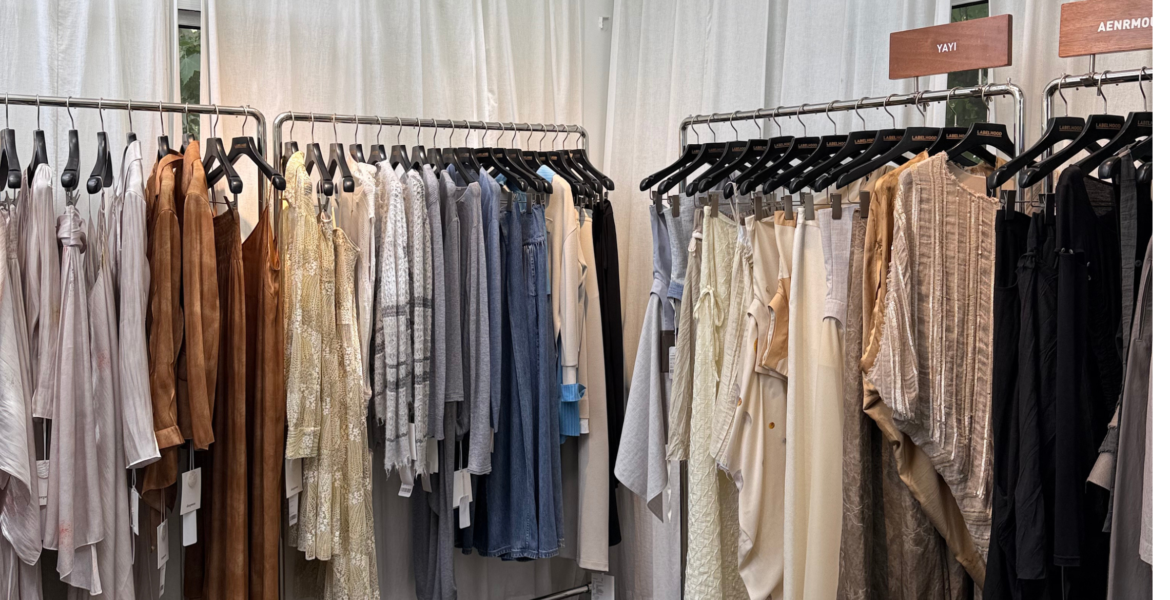
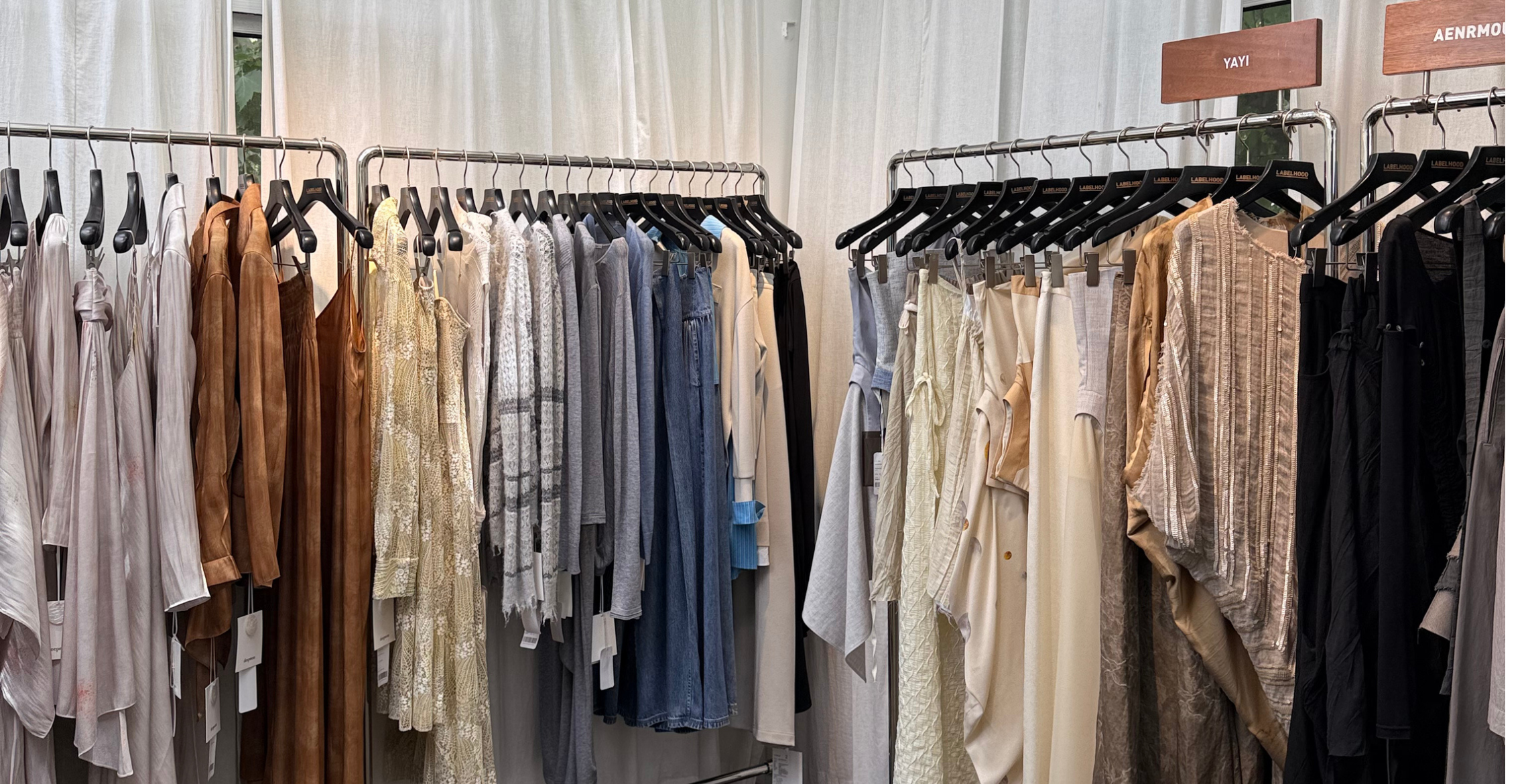
Prêt-à-porter literally translates from French as “ready to wear.” Unlike garments that are made specifically for one client, ready-to-wear clothing is produced in standardized sizes and is available for immediate purchase. Instead of waiting months for multiple fittings, customers can walk into a boutique and purchase a designer piece directly from the rack.
Although prêt-à-porter is manufactured on a larger scale than haute couture, it should never be confused with mass-market fashion. Luxury ready-to-wear collections are carefully designed, produced using premium fabrics, and crafted with strict quality standards. Every silhouette, fabric choice, and finishing detail reflects the creative vision of the designer behind the collection.
This balance between exclusivity and accessibility has made prêt-à-porter the commercial heart of nearly every luxury fashion house. While haute couture often captures headlines with extraordinary runway creations, ready-to-wear collections are what most consumers actually purchase and wear.
The Origins of Prêt-à-Porter
For centuries, luxury clothing was reserved almost exclusively for the wealthy elite. Fashion existed primarily through haute couture, where garments were handmade for individual clients using traditional techniques that required hundreds of hours of skilled craftsmanship. Every piece was unique, fitted perfectly to its wearer, and represented the highest level of fashion artistry.
As society changed throughout the twentieth century, so did the needs of consumers. The growth of the middle class, increasing urbanization, and the growing number of women entering professional careers created demand for clothing that combined elegance with practicality. More people wanted beautifully designed garments without the extraordinary cost and lengthy production process associated with couture.
At the same time, advances in textile manufacturing made it possible to produce clothing more efficiently while maintaining impressive quality standards. Designers recognized an opportunity to create collections that retained their creative identity while becoming available to a much broader audience.
This marked the beginning of prêt-à-porter. Rather than replacing haute couture, it introduced a new category that preserved exceptional design while embracing modern production methods. Fashion was no longer reserved for a select few. Designer clothing could now become part of everyday life for a growing audience that appreciated quality, craftsmanship, and timeless style.
Yves Saint Laurent and the Birth of Modern Ready-to-Wear
No discussion of prêt-à-porter is complete without mentioning Yves Saint Laurent, whose vision transformed the fashion industry forever. Although ready-to-wear had already begun to emerge, Saint Laurent elevated the concept into something revolutionary.
In 1966, he launched his iconic Rive Gauche boutique in Paris, becoming the first major French couturier to introduce a dedicated luxury ready-to-wear line. Rather than seeing prêt-à-porter as a lesser alternative to haute couture, he treated it with the same level of creativity and artistic ambition.
His goal was simple yet groundbreaking: luxury fashion should not exist solely for royalty, celebrities, and society’s wealthiest clients. Modern women deserved beautifully designed clothing that reflected contemporary lifestyles while remaining sophisticated and elegant.
The launch of Rive Gauche changed the fashion industry almost overnight. It demonstrated that ready-to-wear could carry the same prestige as couture while reaching a much larger audience. Other fashion houses soon followed, establishing ready-to-wear collections as an essential part of their business.
Today, nearly every major luxury brand builds its identity around seasonal prêt-à-porter collections, making Saint Laurent’s influence impossible to overstate.
Prêt-à-Porter vs. Haute Couture
Although both belong to the world of luxury fashion, prêt-à-porter and haute couture represent two very different approaches to design.
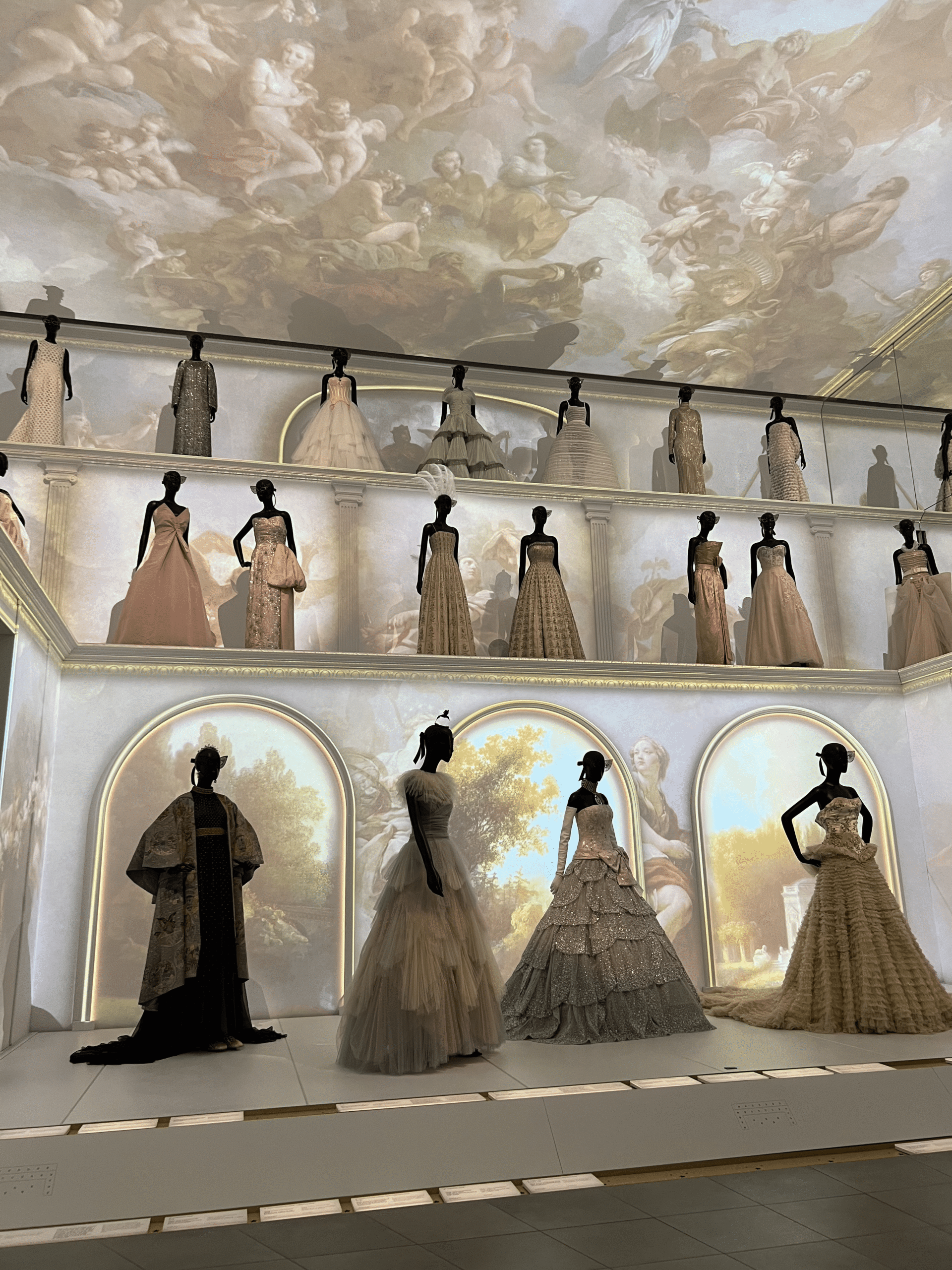
Haute couture is the pinnacle of craftsmanship. Every garment is created specifically for one client and constructed almost entirely by hand inside an approved Parisian couture atelier. Multiple fittings, custom measurements, intricate embroidery, and hundreds of hours of manual work make each creation completely unique. Because of this extraordinary level of craftsmanship, haute couture is produced in extremely limited quantities and commands exceptionally high prices.
Prêt-à-porter follows a different philosophy. Collections are designed by the same creative directors and often showcase the same artistic vision seen in couture, but the garments are produced in standard sizes and manufactured in carefully controlled quantities. This approach allows luxury brands to offer beautifully crafted clothing that is both wearable and more attainable.
Rather than competing with haute couture, prêt-à-porter complements it. Couture continues to showcase the highest level of artistic expression, while ready-to-wear translates that creativity into clothing designed for modern life. Together, they represent two essential pillars of the luxury fashion industry, each serving a different purpose while celebrating exceptional design and craftsmanship.
Prêt-à-Porter vs. Fast Fashion
Because both prêt-à-porter and fast fashion are produced in standard sizes, they are sometimes mistaken for one another. In reality, they represent two very different philosophies.
Fast fashion is built around speed. Brands rapidly produce large quantities of clothing inspired by the latest runway trends, often prioritizing low prices over longevity. Collections change constantly, encouraging consumers to buy more frequently while garments are rarely designed to last for years.
Prêt-à-porter takes a far more considered approach. Although ready-to-wear collections are produced on a larger scale than haute couture, quality remains a priority throughout the design and production process. Luxury fashion houses carefully select fabrics, refine each silhouette, and oversee construction to ensure garments meet the standards associated with their brand.
This attention to detail results in clothing that not only looks more refined but also offers greater durability and timeless appeal. Rather than following every short-lived trend, many ready-to-wear collections balance contemporary fashion with enduring elegance, making them pieces that can remain relevant long after a single season has passed.
Why Prêt-à-Porter Is the Foundation of Luxury Fashion
For many luxury brands, ready-to-wear collections are far more than seasonal releases. They form the commercial backbone of the business while allowing creative directors to communicate the identity of the house to a global audience.
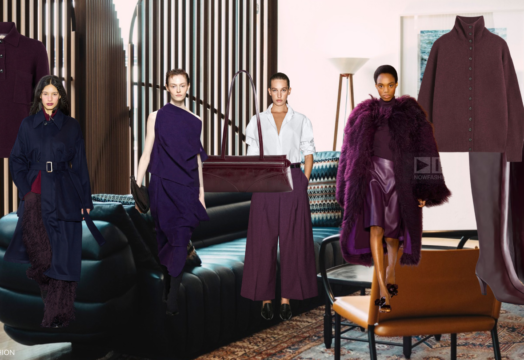
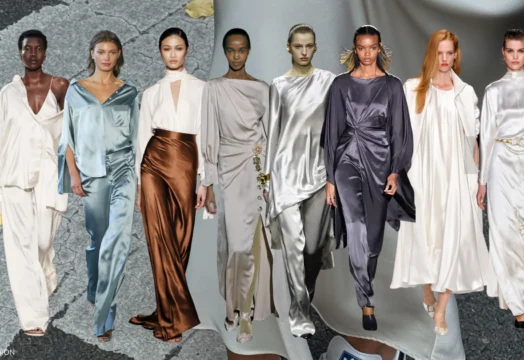
Every season, designers present new collections that explore fresh silhouettes, colour palettes, fabrics, and styling concepts. These runway presentations influence not only luxury fashion but also the wider industry, inspiring trends that eventually reach retailers across every price point.
Unlike haute couture, which serves a relatively small clientele, prêt-à-porter allows luxury brands to connect with consumers around the world. A beautifully tailored blazer, an elegant evening dress, or a perfectly cut pair of trousers enables customers to experience the craftsmanship and aesthetic of a fashion house in a way that fits everyday life.
Ready-to-wear collections also create consistency. They allow brands to develop recognizable signatures season after season while adapting to changing lifestyles, cultural influences, and consumer expectations.
The Role of Fashion Weeks
Prêt-à-porter reaches its global audience through the world’s leading fashion weeks. Twice each year, designers unveil their latest collections during events in Paris, Milan, London, and New York, presenting their vision for the upcoming Spring Summer and Autumn Winter seasons.
These runway shows are among the most anticipated moments on the fashion calendar. Buyers, editors, stylists, celebrities, and industry professionals gather to discover emerging trends, innovative silhouettes, and the creative direction of the world’s most influential fashion houses.
While haute couture collections often showcase extraordinary artistry and craftsmanship, ready-to-wear presentations demonstrate how luxury fashion can become part of everyday wardrobes. They offer a realistic interpretation of the designer’s vision while maintaining the sophistication and creativity expected from leading fashion houses.
Today, digital platforms have expanded the reach of these events far beyond the front row. Millions of fashion enthusiasts now watch runway shows online, making prêt-à-porter one of the most influential forces in shaping global style.
Why Prêt-à-Porter Still Matters Today
Nearly seven decades after its rise to prominence, prêt-à-porter remains one of fashion’s most important categories. As consumers increasingly value quality over quantity, many are moving away from disposable fashion and investing in garments designed to last.
Luxury ready-to-wear perfectly reflects this shift. Rather than encouraging constant replacement, many collections focus on timeless tailoring, premium materials, and versatile designs that can be worn across multiple seasons. This philosophy aligns with the growing demand for more conscious consumption and thoughtful wardrobes.
At the same time, innovation continues to shape the category. Designers experiment with sustainable fabrics, advanced textile technologies, digital presentations, and more transparent production methods. Many fashion houses are also embracing greater inclusivity by expanding sizing, celebrating diverse casting, and designing collections that reflect the realities of modern consumers.
Prêt-à-porter has therefore become more than simply “ready to wear.” It represents the evolution of luxury itself, balancing creativity with practicality while responding to the changing values of contemporary fashion.
Conclusion
Prêt-à-porter transformed the fashion industry by making designer clothing more accessible without sacrificing creativity or craftsmanship. Positioned between the exclusivity of haute couture and the speed of fast fashion, it continues to offer an ideal balance of quality, innovation, and wearability.
From Yves Saint Laurent’s groundbreaking Rive Gauche collection to today’s runway presentations in Paris, Milan, London, and New York, ready-to-wear has redefined how luxury fashion is designed, produced, and experienced around the world.
As fashion continues to evolve, prêt-à-porter remains at the heart of the industry. It allows designers to express their creative vision while giving consumers the opportunity to invest in clothing that combines exceptional design with everyday functionality. In a world increasingly focused on longevity, craftsmanship, and responsible consumption, ready-to-wear is more relevant than ever, proving that true luxury is not only about exclusivity but also about creating beautifully made garments that become part of everyday life.