- The Runway Edit, The Craft of Fashion, The Outlook
- May 29, 2026
- 0
Caftan Week 2026 Marrakech: A Stunning Tribute to Moroccan Heritage Through “Souffle de l’Atlas”
After months of anticipation, Caftan Week 2026 finally unfolded in Marrakech, transforming the city into a celebration of Moroccan craftsmanship, creativity, and cultural memory. Following our earlier guide to the event, this year’s edition delivered far more than a fashion showcase. It became a statement about heritage, transmission, and the evolving future of the Moroccan caftan.
Held from May 7 to May 10 under the theme “Souffle de l’Atlas” or “Breath of the Atlas,” the 26th edition of Caftan Week immersed guests in the textures, colors, and ancestral savoir faire of Morocco’s Atlas Mountains. From exhibitions and masterclasses to emerging designer showcases and the highly anticipated grand finale runway, every moment reflected a dialogue between tradition and modernity.
What made this edition especially symbolic was its timing. Caftan Week 2026 marked the first edition organized after the Moroccan caftan was officially recognized by UNESCO as an Intangible Cultural Heritage of Humanity. The atmosphere throughout the week carried that weight of pride and responsibility. This was not simply about fashion trends or couture spectacle. It was about preserving an identity while allowing it to evolve.
A Living Tribute to the Atlas Mountains
The opening of Caftan Week began with the exhibition “Artisanat de l’Atlas,” hosted at Dar El Bacha, one of Marrakech’s most culturally significant spaces. The exhibition immediately set the tone for the rest of the week by placing artisanship at the center of the conversation.
Visitors stepped into a world of handwoven textiles, intricate embroideries, traditional ornaments, and raw natural materials sourced from the Atlas region. Rather than presenting craftsmanship as something frozen in the past, the exhibition showed how these ancestral techniques continue to inspire contemporary Moroccan couture today.
There was a quiet beauty in seeing the patience behind each creation. The exhibition highlighted the work of artisans whose skills are often invisible behind the glamour of the runway. Through detailed weaving, delicate embroidery, and handcrafted finishes, “Artisanat de l’Atlas” reminded attendees that every caftan begins long before it reaches the catwalk.
The atmosphere itself felt immersive. Earthy tones, natural textures, and artisanal details echoed the landscapes of the High Atlas Mountains. The exhibition created a bridge between Morocco’s rural craftsmanship traditions and the modern luxury fashion world that increasingly draws inspiration from them.
More importantly, it reinforced one of the strongest themes of Caftan Week 2026: heritage is not static. It is living, evolving, and constantly reinterpreted by new generations.
The Masterclass That Asked the Most Important Question
One of the intellectual highlights of the week was undoubtedly the Caftan Week masterclass titled “Moderniser sans trahir: quels équilibres pour le Caftan?” or “Modernizing Without Betraying: What Balance for the Caftan?”
In an industry increasingly driven by global trends and fast moving aesthetics, the discussion felt incredibly relevant. Hosted by Abdelah Mountassir and featuring respected voices such as Jalila Morsli, Ghita Lahrichi, and Amina Boussayri, the conversation focused on how Moroccan designers can innovate while remaining faithful to the soul of the caftan.
The discussion explored an important tension within contemporary Moroccan fashion. How do designers adapt the caftan for modern audiences without losing the craftsmanship, symbolism, and cultural depth that make it unique?
The answer, according to many speakers, lies in balance rather than reinvention. Modern cuts, lighter silhouettes, and contemporary styling can coexist with traditional embroidery techniques, handmade finishes, and artisanal excellence. The future of the caftan does not require abandoning its roots. Instead, it requires understanding them deeply enough to reinterpret them with respect.
For young designers attending the session, the masterclass became more than a learning opportunity. It felt like a transmission of responsibility. The future of Moroccan couture will belong to a generation capable of honoring tradition while still speaking the language of modern fashion.
Emerging Designers Took Center Stage
Another defining moment of Caftan Week 2026 was the “Défilé Jeunes Talents,” a runway entirely dedicated to emerging Moroccan designers. The event embodied the spirit of continuity that has allowed Caftan Week to remain relevant for more than twenty five years.
Young creatives presented collections inspired by the Atlas Mountains through sophisticated embroidery, noble fabrics, mineral color palettes, and modern silhouettes. What stood out was not only their technical talent but also their ability to approach Moroccan heritage with fresh perspectives.
Many of the collections balanced tradition and experimentation beautifully. Some designers embraced architectural tailoring while others focused on fluid draping and delicate embellishment. Yet despite their different creative directions, most collections remained deeply connected to Moroccan identity.
The standout moment of the evening came when Mariam El Kaflaoui was announced as the winner of this year’s competition. Her collection was praised for successfully combining authenticity with innovation, a theme that defined the entire event. Along with receiving a 30,000 dirham prize supported by the Fondation Dislog Group, she also earned the opportunity to participate in the prestigious Caftan 2027 runway.
The young talents showcase proved that the future of Moroccan couture is incredibly promising. These emerging voices are not trying to imitate Western fashion systems. Instead, they are building a distinctly Moroccan creative language that respects craftsmanship while embracing evolution.
The Grand Défilé Caftan 2026
The climax of the week arrived with the Grand Défilé Caftan 2026, staged within the historic Palais El Badi in Marrakech. More than one thousand guests gathered for the event, including designers, artists, media personalities, and fashion insiders.
The setting itself amplified the emotional impact of the collections. Against the dramatic architecture of Palais El Badi, the caftans appeared almost cinematic. The atmosphere felt immersive, refined, and deeply rooted in Moroccan grandeur.
This year’s runway brought together twelve renowned Moroccan designers, each presenting their interpretation of “Souffle de l’Atlas.” The participating designers included Myriam Bouafi, Mouad Chafai, Zainab Fatihi Aderrab, Zineb Ghazali, Sara Hilali, Mao Lakhdar, Hind Lamtiri, Houda Larini, Asmaa Naji, Selma Senaoui, Amal Soussi Aouad, and Imane Tadlaoui.
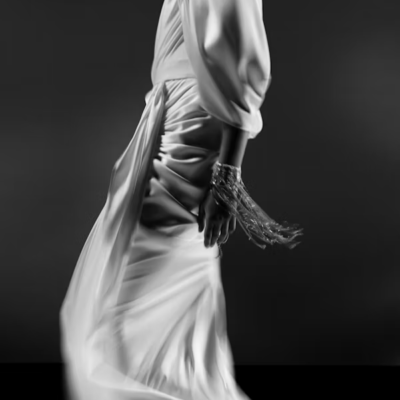
Rather than offering repetitive interpretations of traditional caftans, each designer approached the theme differently. Some collections drew inspiration from the rugged reliefs of the Atlas Mountains through structured silhouettes and layered fabrics. Others explored softer interpretations through flowing textiles, earthy tones, and delicate embroidery.
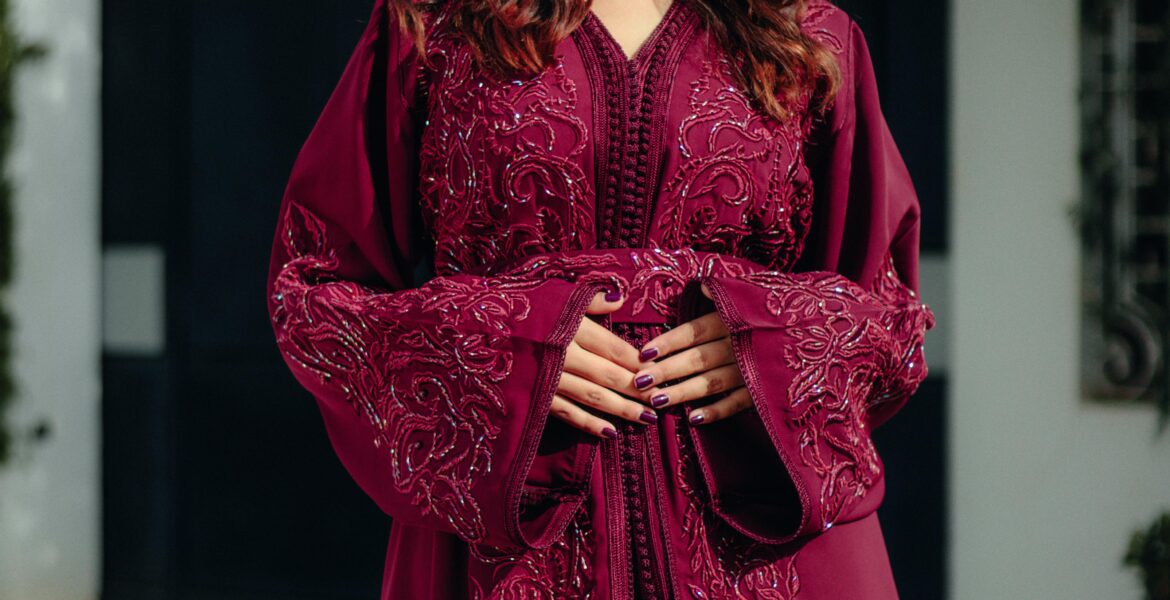
The craftsmanship throughout the show remained exceptional. Sophisticated hand embroidery, luxurious fabrics, intricate beadwork, and modernized cuts demonstrated the enduring excellence of Moroccan artisanship. The collections proved that the caftan continues to evolve without losing its identity.
What made the runway especially memorable was its emotional depth. Beyond the beauty of the garments, there was a strong sense that the designers were telling stories through fabric, color, and technique. The Atlas Mountains became more than an aesthetic inspiration. They became a metaphor for resilience, memory, and cultural continuity.
Why Caftan Week 2026 Mattered
Caftan Week 2026 was not simply another edition of a fashion event. It felt like a defining cultural moment for Moroccan fashion.
The UNESCO recognition of the Moroccan caftan added new international visibility to an art form that has always carried immense cultural significance. Yet throughout the week, organizers consistently emphasized that recognition alone is not enough. Preservation requires transmission. Craftsmanship survives only when artisans, designers, institutions, and younger generations actively continue the work.
This year’s edition succeeded because it understood that fashion cannot exist separately from culture. Every exhibition, discussion, and runway presentation reinforced the idea that the caftan is more than ceremonial clothing. It is a living archive of Moroccan identity.
As Caftan Week 2026 came to a close, one message remained clear. Moroccan fashion is entering a new era where heritage and innovation no longer oppose one another. Instead, they move together.
And if “Souffle de l’Atlas” taught us anything, it is that the future of the caftan will always be strongest when it continues to breathe through the hands, memories, and creativity of the people who keep it alive.