Fabric care guide Clothing care guide Complete fabric care guide Ultimate fabric care guide How to care for clothes How to wash clothes properly How to care for your wardrobe Clothing care tips and fabric care guide Fabric washing guide for every wardrobe Laundry guide for different fabrics How to make clothes last longer Garment care guide for every fabric Fabric care tips for cotton, linen, wool and silk Washing guide for cotton, linen, denim, wool and cashmere Clothing maintenance guide for everyday fabrics Expert fabric care guide for washing, drying and storing clothes The ultimate clothing care guide for every fabric Fabric care guide to help clothes last longer How to wash and care for common clothing fabrics Wardrobe care guide for luxury and everyday clothing

The Hidden Habits That Keep Beautiful Clothes Looking New for Years
A beautiful wardrobe is not built by buying more clothes. It is built by taking better care of the clothes you already own.

The best dressed people rarely replace their wardrobe every season. Instead, they know how to preserve it. A crisp linen shirt, a luxurious wool coat or the perfect pair of denim jeans can look beautiful for years when treated correctly. Unfortunately, many garments lose their shape, softness and colour long before they should simply because they are washed incorrectly.

This fabric care guide will show you exactly how to care for the fabrics you are most likely to find in your wardrobe. From cotton and linen to wool and denim, these simple habits will help your clothing stay elegant for much longer.

While every garment should always be washed according to its care label, understanding how different fabrics behave makes caring for your wardrobe far easier. Many luxury brands also recommend gentle washing, air drying and avoiding excessive heat to preserve the life of their garments.

Why proper fabric care matters

Every wash slowly changes your clothes.

Heat weakens fibres. Aggressive detergents fade colours. Overloaded washing machines create friction that damages delicate fabrics. Even hanging heavy knitwear the wrong way can permanently stretch it.

Learning how each fabric responds to water, heat and movement allows you to extend the life of your wardrobe while reducing waste. It also saves money. Replacing damaged clothing every year is far more expensive than spending a few extra minutes washing garments correctly.

Before looking at individual fabrics, there are a few universal rules every wardrobe should follow.

  1. Always separate dark and light colours.
  2. Zip zippers and fasten buttons before washing.
  3. Turn garments inside out to protect the outer surface.
  4. Avoid overfilling the washing machine.
  5. Choose gentle detergents whenever possible.
  6. Skip bleach unless the garment specifically allows it.
  7. Whenever possible, allow clothing to air dry instead of using a tumble dryer.

These simple habits reduce unnecessary wear and help preserve colour, shape and texture. They also align with the general recommendations found across many modern fabric care guides.

Loose silhouettes are equally important. Wide leg trousers, flowing skirts, oversized dresses, and relaxed tops create space between the fabric and the skin, encouraging airflow while maintaining full coverage.

The result is a wardrobe that feels effortless, elegant, and practical throughout the season.

1. Cotton fabric care guide

Cotton fabric care guide Cotton care guide How to care for cotton clothes How to wash cotton clothing Cotton washing and care instructions

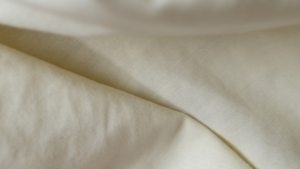
Cotton is one of the most common fabrics in every wardrobe. It is breathable, soft, durable and comfortable throughout the year. From everyday T shirts to crisp shirts and dresses, cotton remains a timeless favourite because it feels natural against the skin and wears beautifully.

The biggest mistake people make with cotton is using excessive heat.

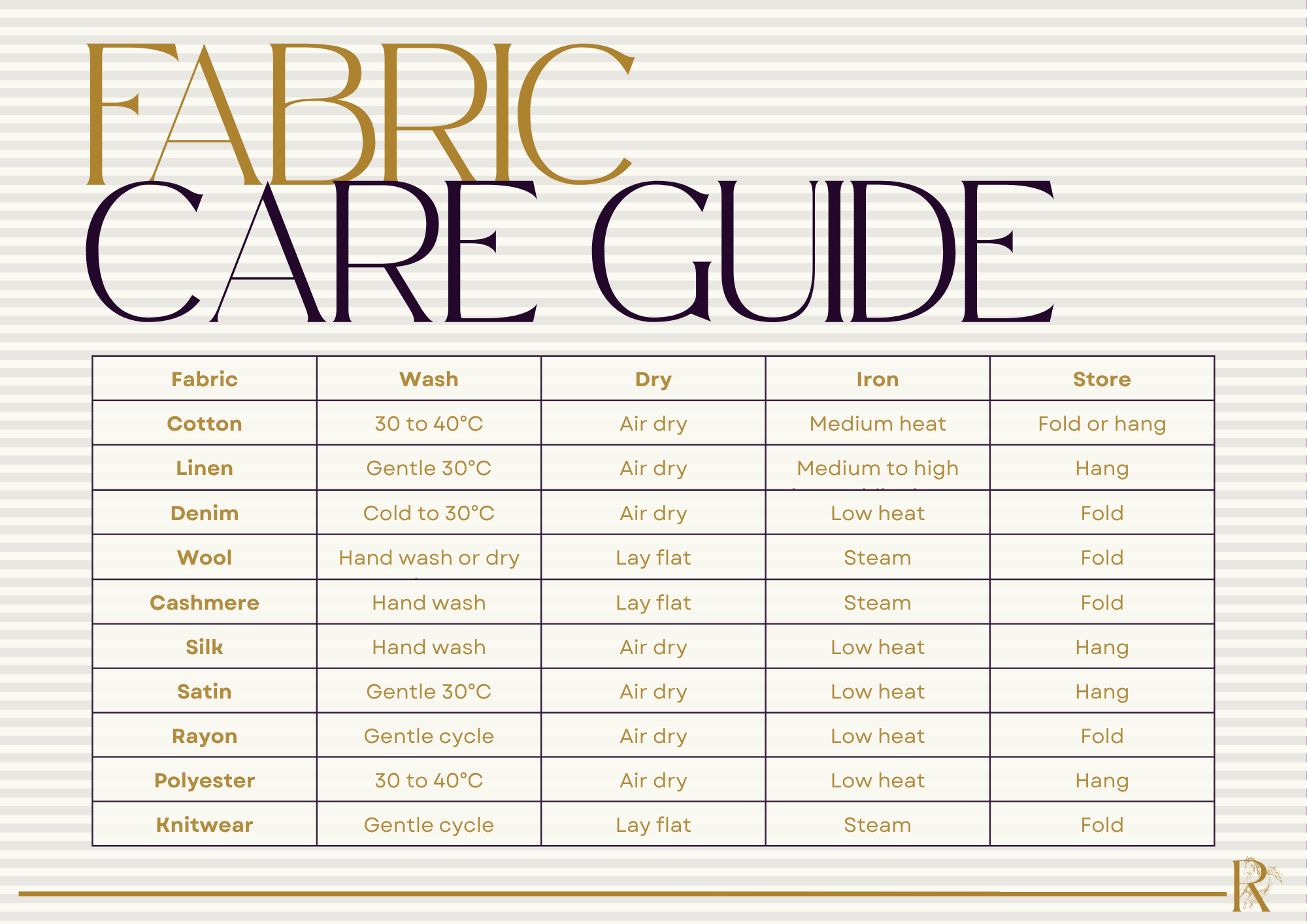
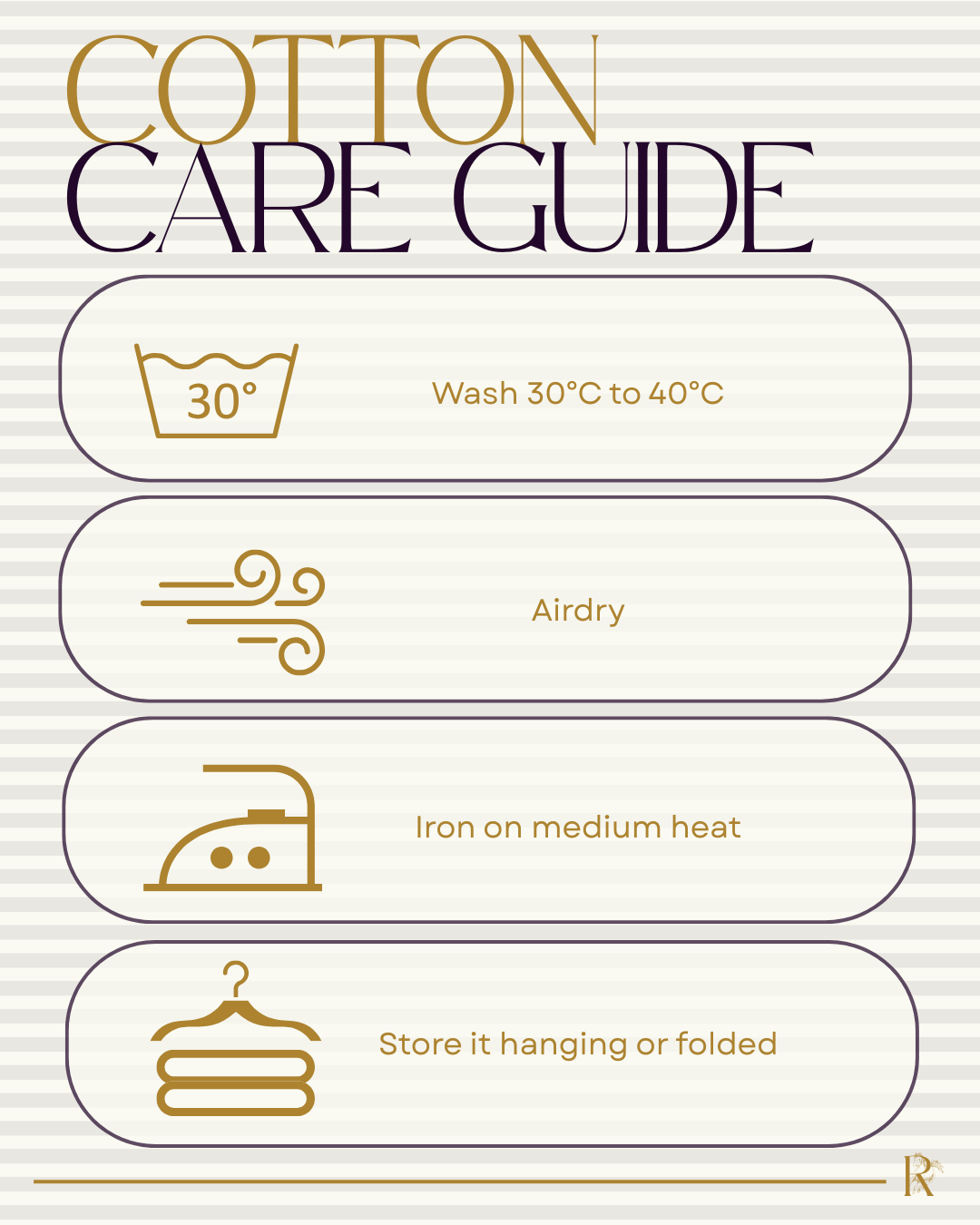
Most cotton garments can be machine washed between 30 and 40 degrees. Turning garments inside out helps preserve colours while reducing surface wear. A mild detergent is usually all that is needed.

Although cotton is durable, tumble drying on high heat often causes shrinkage over time. Air drying is much gentler and helps garments maintain their original fit.

If wrinkles appear, cotton responds well to medium heat ironing. Lightly damp fabric irons more easily than completely dry cotton.

Store cotton folded or on quality hangers depending on the garment. Avoid overcrowding your wardrobe so fibres can breathe naturally.

2. Linen fabric care guide

Linen fabric care guide Linen care guide How to care for linen clothes How to wash linen clothing Linen washing and care instructions

Few fabrics feel as luxurious during warm weather as linen.

Known for its exceptional breathability and natural texture, linen has become a favourite for elegant summer wardrobes. Its relaxed appearance is part of its charm, and the soft wrinkles that develop throughout the day give linen its effortless sophistication.

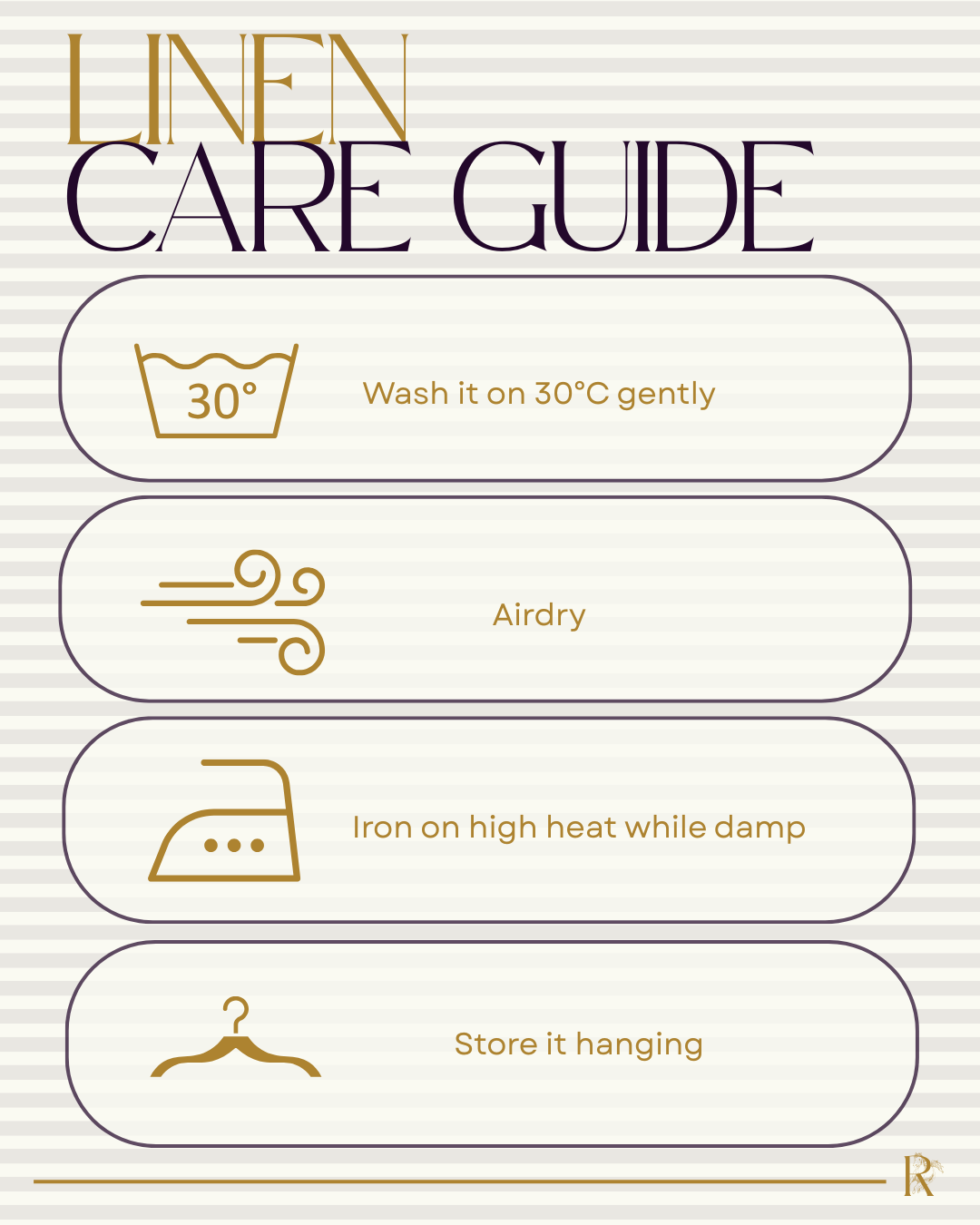
Linen should be washed gently, preferably at low temperatures using a delicate cycle or by hand for more delicate garments. Strong detergents are unnecessary and can gradually weaken the natural fibres.

Instead of using a tumble dryer, allow linen to dry naturally on a hanger or drying rack. High temperatures make linen more prone to shrinking.

If you prefer a crisp appearance, iron linen while it is still slightly damp. Steam also works beautifully for removing wrinkles without damaging the fabric.

Because linen fibres become softer with every proper wash, many high quality linen garments actually improve with age.

3. Denim fabric care guide

Denim fabric care guide Denim care guide How to care for denim jeans How to wash denim properly Denim washing and care instructions

Few wardrobe essentials are as dependable as denim.

Quality jeans, denim jackets and skirts are designed to last for years, but frequent washing often shortens their lifespan unnecessarily.

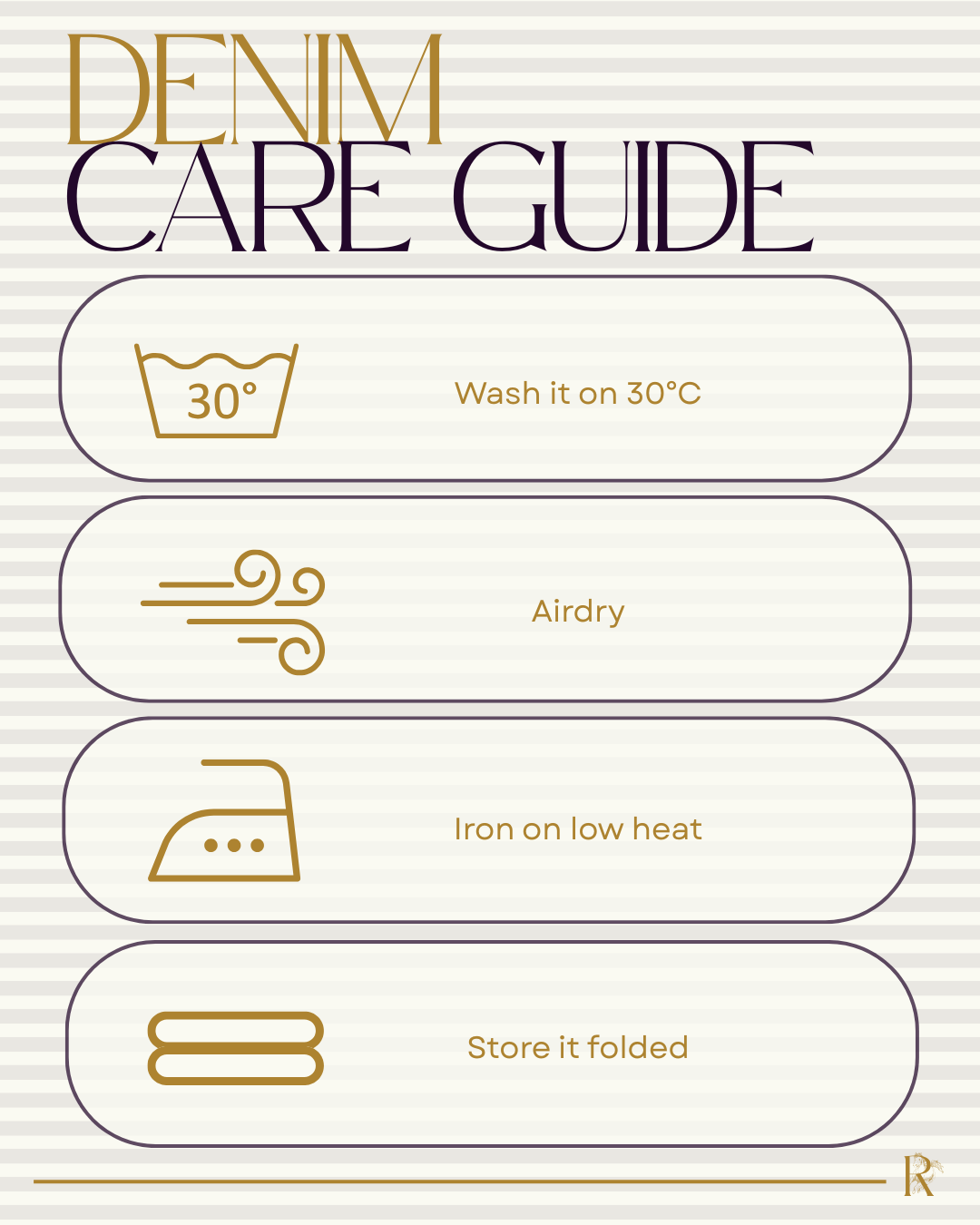
Unless your jeans are visibly dirty, they usually do not need washing after every wear. Washing less frequently helps preserve colour, prevents fading and allows the fabric to maintain its structure.

When washing denim, always turn garments inside out. Wash them separately or with similar dark colours using cool or lukewarm water.

Air drying is always preferable to machine drying. High heat can shrink denim while also fading its rich colour over time.

Low heat ironing is rarely necessary, but if needed, iron the garment inside out.

Many premium denim manufacturers recommend allowing jeans to develop their own natural wear patterns rather than washing them excessively. Similar recommendations also appear throughout professional fabric care guides, where air drying and gentle washing are consistently advised.

4. Wool fabric care guide

Wool fabric care guide Wool care guide How to care for wool sweaters How to wash wool clothing Wool washing and care instructions

Nothing feels quite as luxurious during colder months as wool.

Whether it is a beautifully tailored coat, an elegant knit or a cosy scarf, wool naturally regulates temperature while remaining breathable and insulating at the same time.

Despite its durability, wool requires more careful handling than cotton or denim.

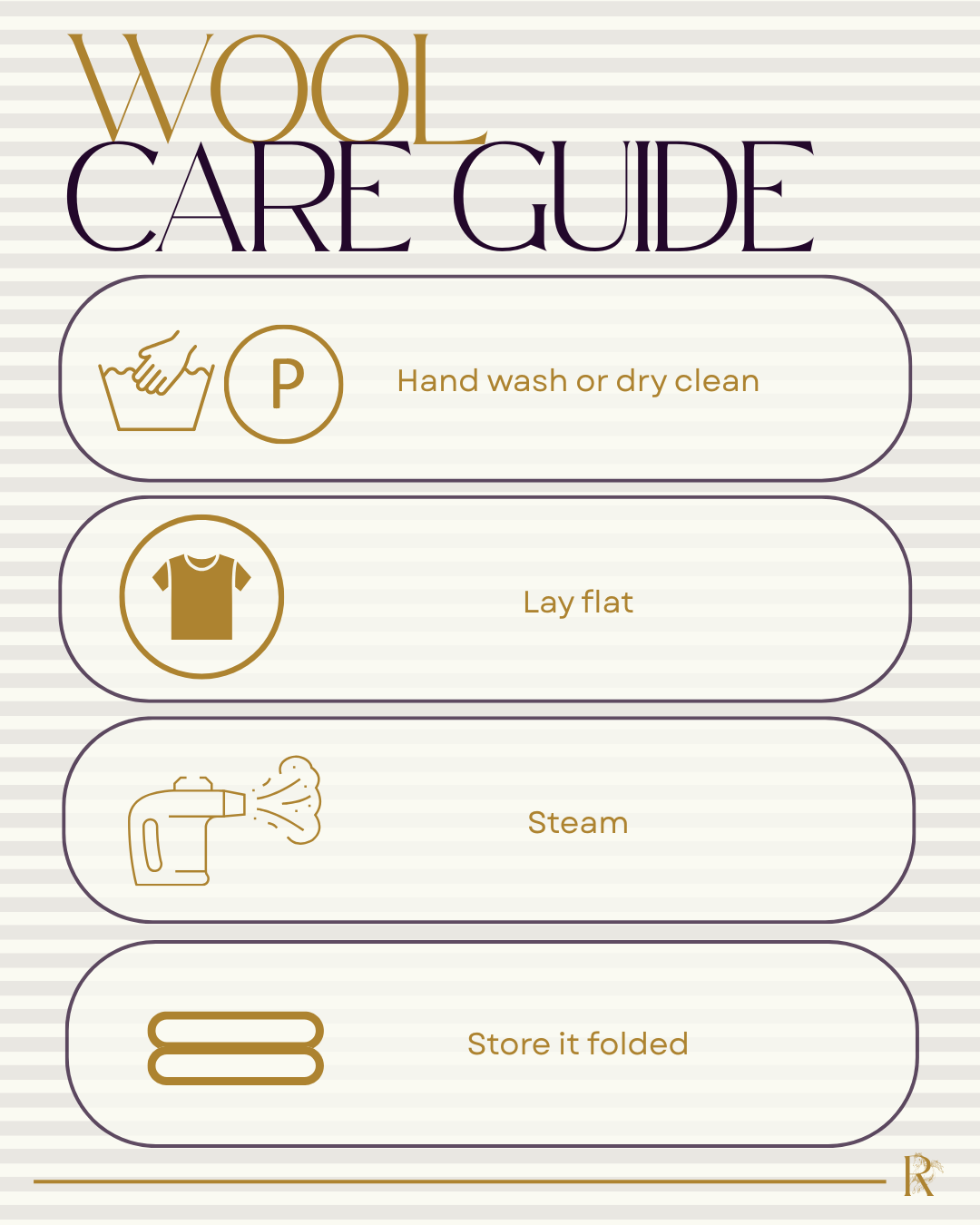
Many structured wool garments should be professionally dry cleaned, especially coats, jackets and tailored pieces, because machine washing can distort their shape. Some softer wool knitwear may be hand washed, but always follow the care label first. Professional care guides frequently recommend dry cleaning for boiled wool and other structured wool fabrics to preserve their shape and finish.

If hand washing is suitable, use cool water together with a detergent specifically designed for wool. Never twist or wring the garment to remove excess water.

Instead, gently press out moisture using a clean towel before laying the garment flat to dry.

Avoid hanging heavy wool sweaters. The weight of the water can stretch the fibres permanently.

Over time, small fabric pills may appear in areas where friction occurs, such as under the arms or where handbags rest. This is completely normal. A quality fabric comb or fabric shaver easily removes these pills while restoring the garment’s original appearance.

Store wool folded rather than hanging it, and consider using cedar blocks during storage to naturally protect garments from moths without harsh chemicals.

5. Cashmere Fabric Care Guide

Cashmere fabric care guide Cashmere care guide How to care for cashmere sweaters How to wash cashmere properly Cashmere washing and care instructions

Cashmere is one of the most luxurious natural fibres in the world. Spun from the soft undercoat of cashmere goats, it is exceptionally lightweight, incredibly warm and beautifully soft against the skin. A quality cashmere sweater or scarf is an investment that can last for decades when cared for properly.

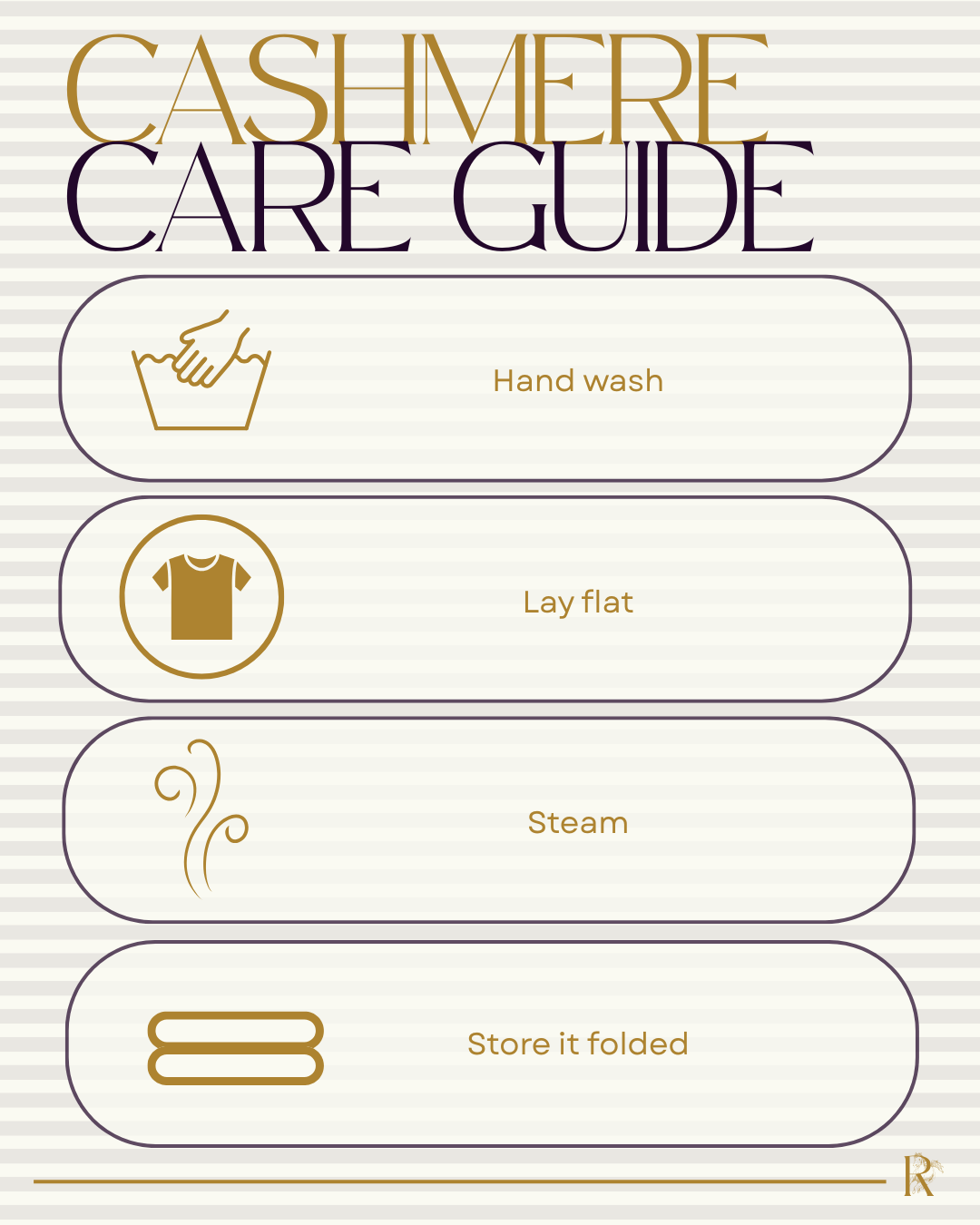
Because the fibres are so fine, cashmere requires a gentler approach than ordinary wool. Contrary to popular belief, cashmere does not need frequent dry cleaning. In fact, repeated dry cleaning can sometimes strip away the natural softness of the fibres.

Instead, hand wash cashmere in cool water using a detergent specifically designed for wool or delicate fabrics. Gently swirl the garment through the water without rubbing or stretching the fibres. After rinsing, never wring the garment. Instead, press excess water out with a clean towel before laying it flat to dry.

Avoid hanging cashmere sweaters, as the weight of the fabric will slowly stretch the shoulders. Fold them neatly instead and store them away from direct sunlight and humidity.

If small pills appear after wearing, do not worry. This is completely normal for high quality cashmere. A fabric comb or cashmere comb will gently remove them without damaging the garment.

6. Silk and Satin

Silk has been associated with luxury for centuries. Its natural sheen, fluid drape and incredibly smooth texture make it one of the most elegant fabrics in fashion. Satin, while often made from silk, can also be woven from polyester or other fibres, creating the same glossy finish with different care requirements.

Although these fabrics look delicate, caring for them is simpler than many people think.

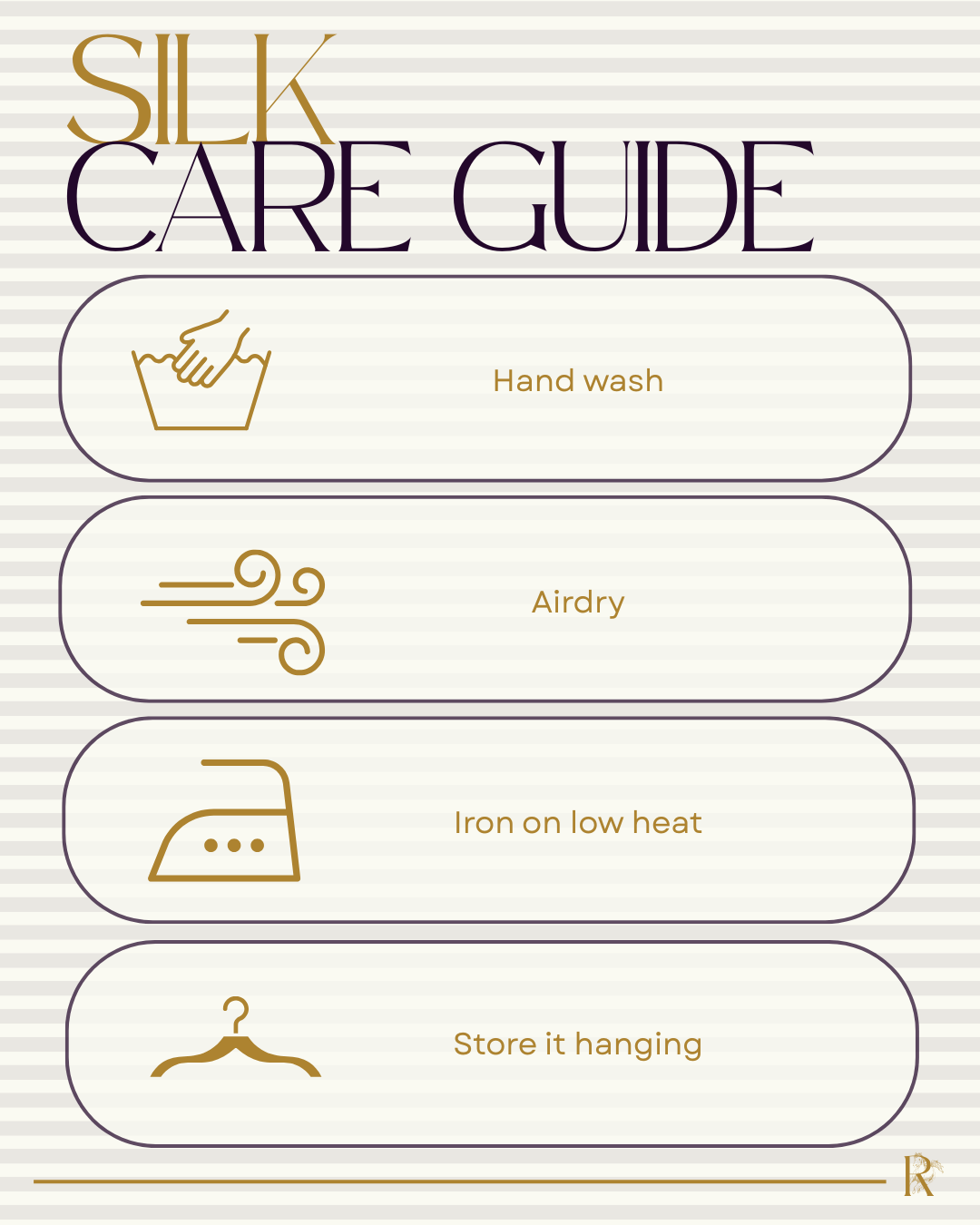
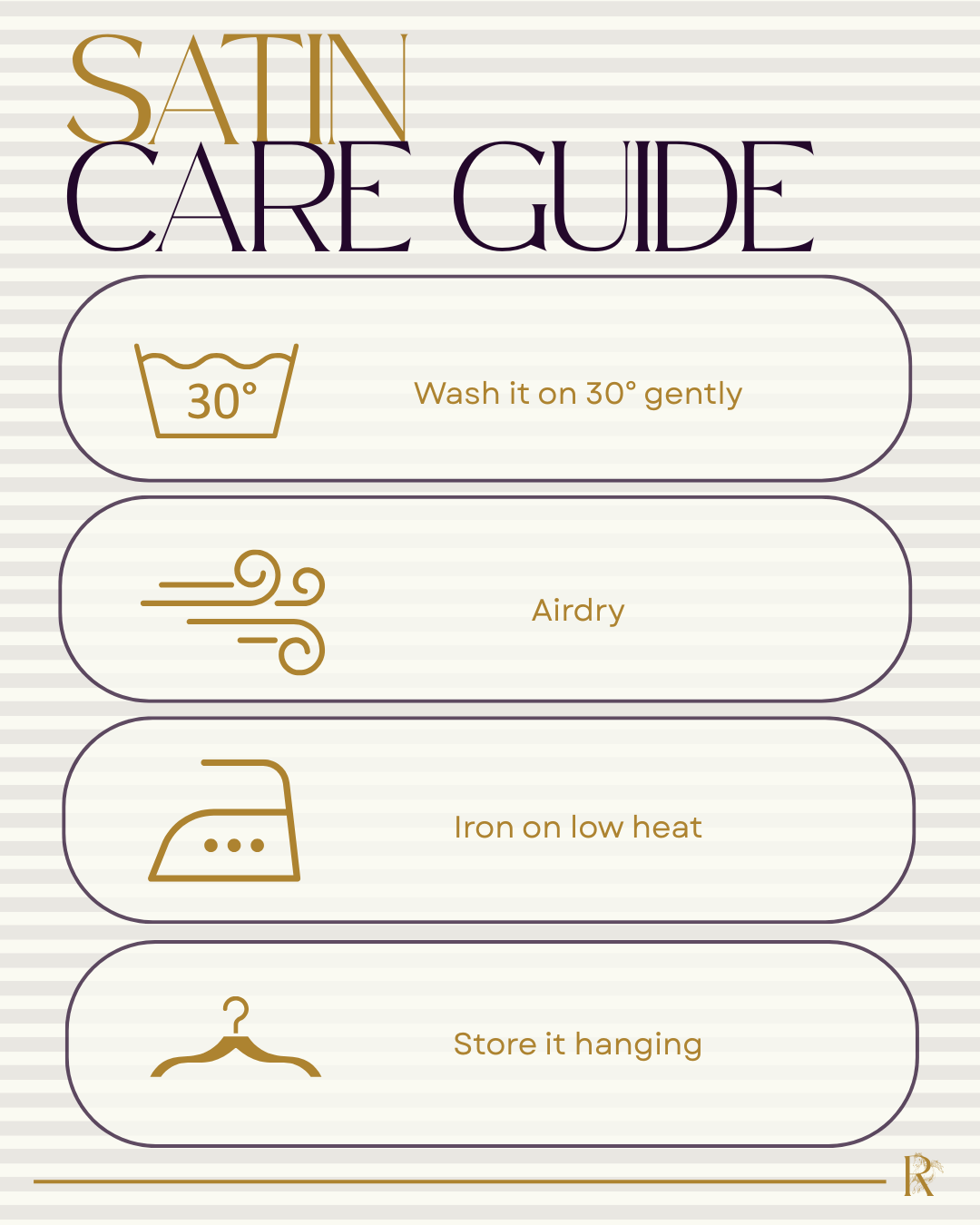
Always wash silk using cool water and a detergent made for delicate fabrics. Hand washing is often the safest option, although some modern silk garments may allow a delicate machine cycle. Satin garments should also be washed gently, preferably inside out to protect their smooth surface. Many manufacturers recommend an extra gentle cycle, low temperatures and air drying to preserve the fabric’s shine and drape.

Never twist silk or satin after washing. Instead, gently press away excess water using a towel before allowing the garment to air dry naturally.

Direct sunlight can fade both silk and satin over time, so drying indoors or in the shade is preferable.

If ironing is necessary, always use the lowest heat setting or a steamer. Placing a pressing cloth between the iron and the fabric provides extra protection and helps prevent unwanted shine marks.

Store silk blouses and dresses on padded hangers to prevent creasing, while scarves can be folded neatly inside drawers.

Silk fabric care guide Silk care guide How to care for silk clothing How to wash silk garments Silk washing and care instructions
Satin fabric care guide Satin care guide How to care for satin clothing How to wash satin dresses Satin washing and care instructions Rayon / Viscose

7. Rayon and Viscose Fabric Care Guide

Rayon fabric care guide Viscose fabric care guide How to care for rayon clothing How to wash viscose garments Rayon and viscose washing guide

Rayon and viscose are loved for their silky appearance and beautiful drape. They feel cool against the skin, making them especially popular during spring and summer. Although they resemble silk, they require slightly different care.

One of the biggest mistakes people make is washing rayon too aggressively. When wet, the fibres temporarily become weaker, making rough washing more likely to cause stretching or distortion.

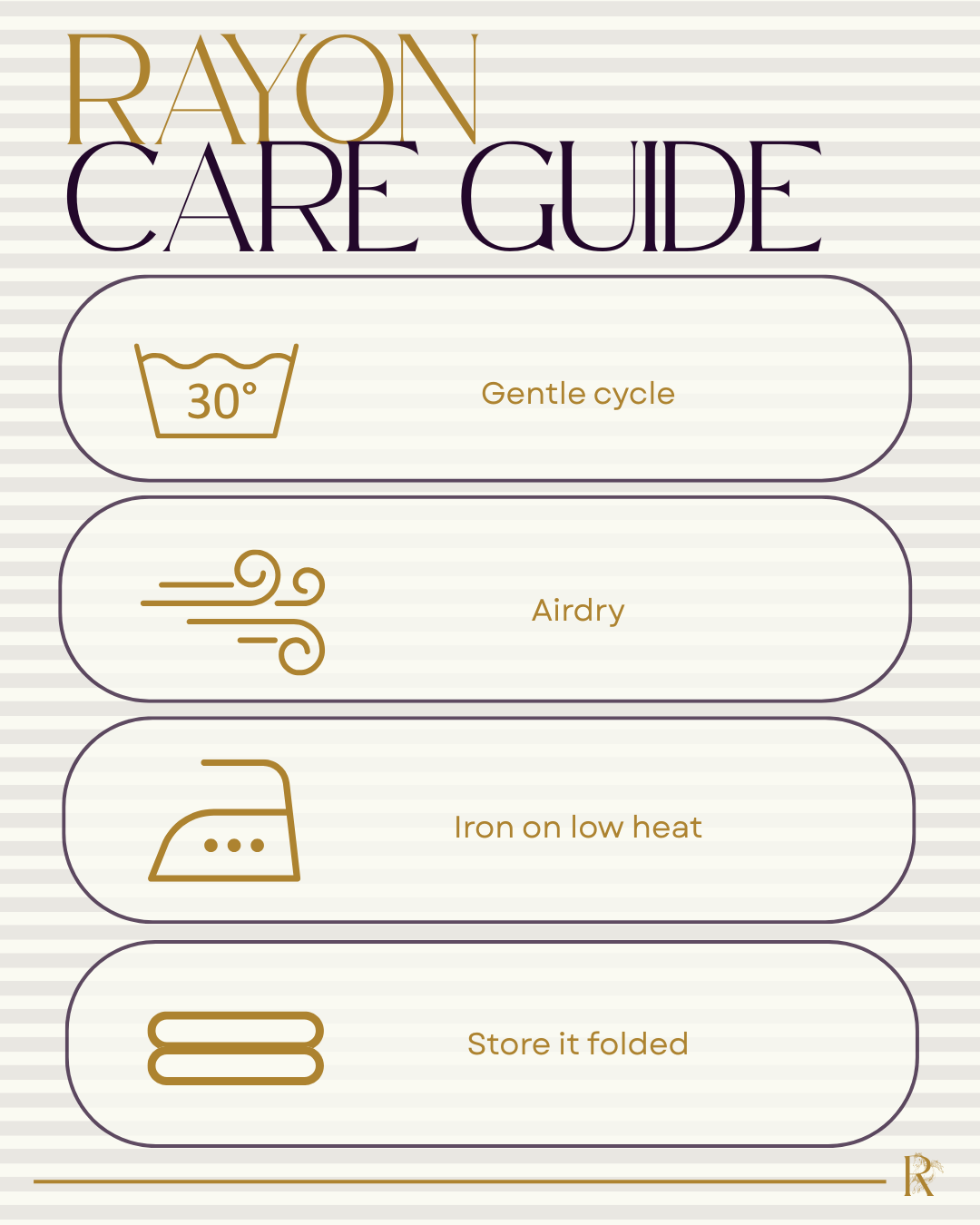
Choose a gentle cycle with cool or lukewarm water, or hand wash delicate garments whenever possible. Turn clothing inside out before washing to minimise friction.

Skip the tumble dryer completely. Instead, reshape the garment while damp and allow it to dry naturally.

Rayon can wrinkle easily, so steaming is often the easiest solution. If ironing is necessary, always use a low temperature.

Some rayon garments may stretch when hanging for long periods. Folding heavier pieces instead of hanging them helps preserve their original shape. Several rayon blends in your uploaded care guide recommend gentle washing, low heat ironing, air drying and folded storage for this reason.

8. Polyester Fabric Care Guide

Polyester fabric care guide Polyester care guide How to care for polyester clothing How to wash polyester garments Polyester washing and care instructions

Polyester often receives less attention than natural fibres, yet it is one of the most practical fabrics in modern wardrobes. It resists wrinkles, dries quickly and holds its colour exceptionally well.

Luxury brands frequently blend polyester with natural fibres to improve durability while maintaining softness and drape.

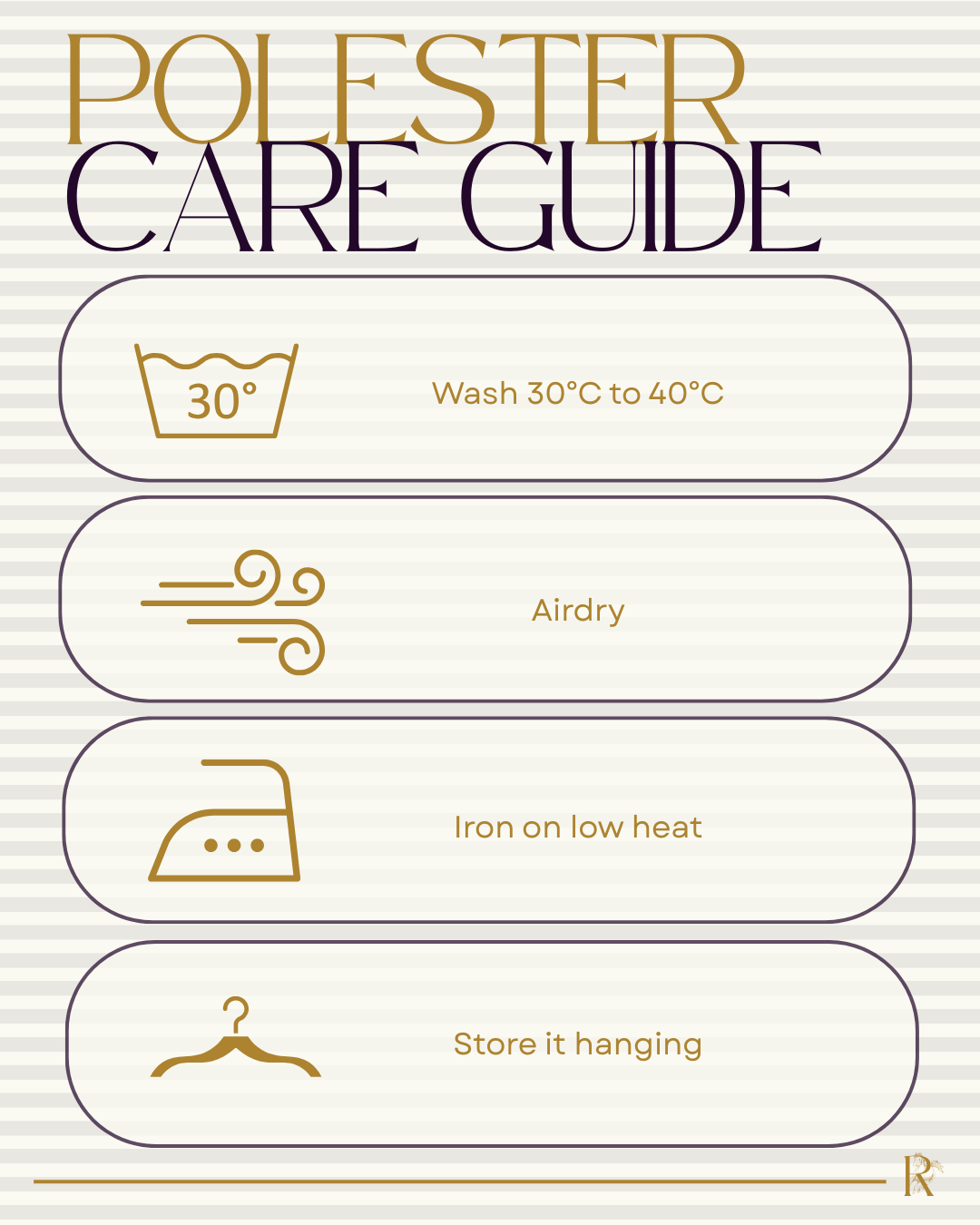
Most polyester garments can be machine washed at 30 to 40 degrees using a gentle cycle. Washing garments inside out helps reduce friction and protects the outer surface.

Although polyester dries quickly, air drying remains the safest option because excessive heat can damage elastic fibres that are often blended into the fabric. Many polyester blends also recommend avoiding tumble dryers entirely and ironing only on low heat.

Fabric softener is usually unnecessary and can reduce the moisture management of performance fabrics.

If wrinkles appear, use a low heat iron or a garment steamer rather than high temperatures.

9. Knitwear Fabric Care Guide

Knitwear care guide Sweater care guide How to care for knitwear How to wash knit sweaters Knitwear washing and care instructions

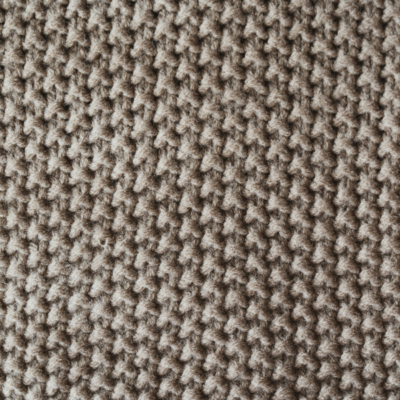
Few wardrobe pieces feel as comforting as beautiful knitwear. Whether made from cotton, wool, cashmere or synthetic blends, knitwear deserves extra attention because knitted fabrics stretch differently from woven fabrics.

The most common mistake is hanging sweaters in the wardrobe.

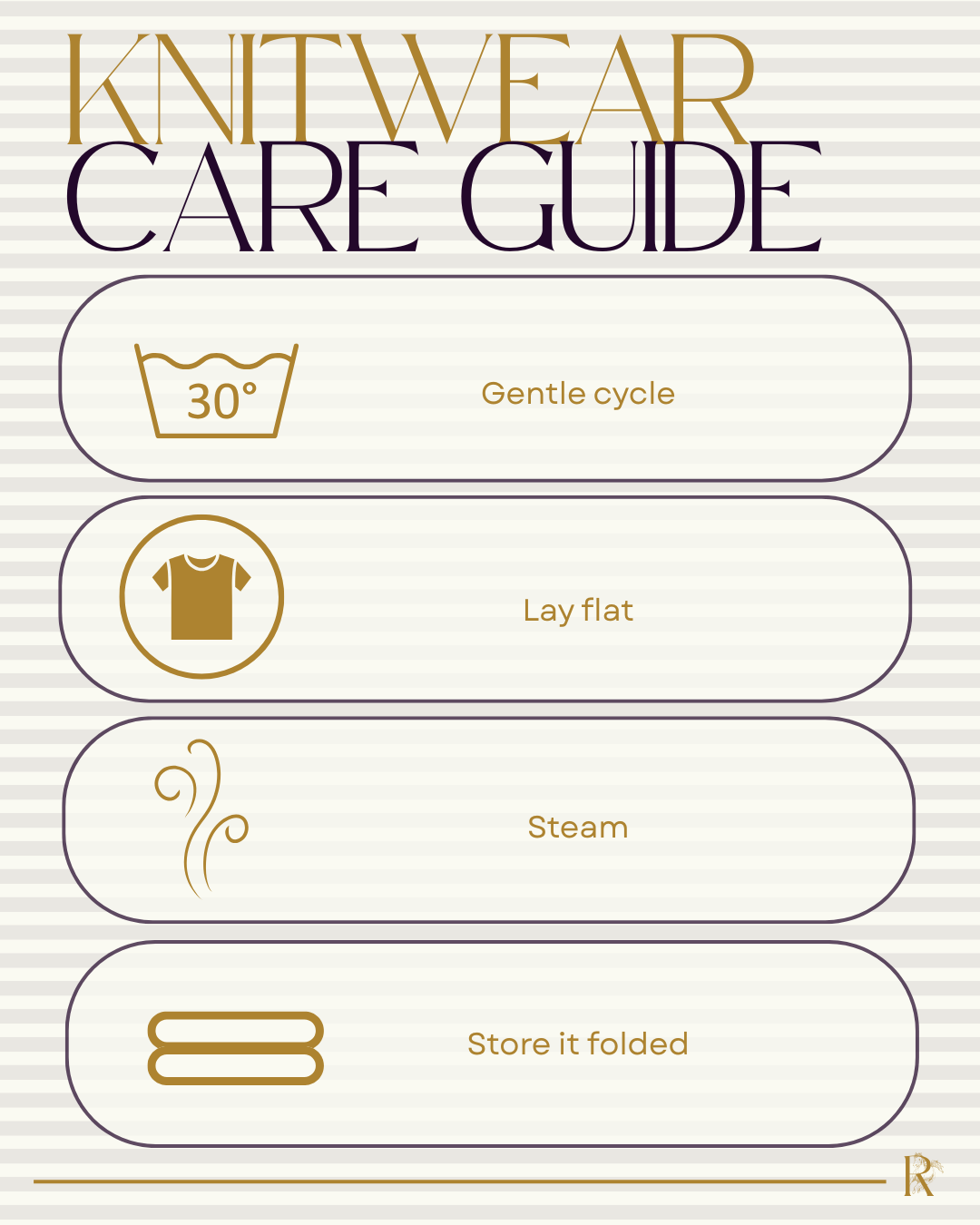
Gravity slowly stretches the shoulders and neckline, permanently changing the shape of the garment. Instead, always fold knitwear neatly.

Wash knitted garments using a gentle cycle or by hand, depending on the fibre content. Turn garments inside out to reduce friction and prevent pilling.

Avoid tumble drying entirely. Lay sweaters flat on a clean towel or drying rack, reshaping them while still damp.

If pilling develops, remove it carefully using a fabric shaver rather than pulling fibres away by hand.

Properly cared for knitwear often looks beautiful for many years, making it one of the smartest investments in a timeless wardrobe.

Fabric Care Cheat Sheet

Fabric care guide Clothing care guide Complete fabric care guide Ultimate fabric care guide How to care for clothes How to wash clothes properly How to care for your wardrobe Clothing care tips and fabric care guide Fabric washing guide for every wardrobe Laundry guide for different fabrics How to make clothes last longer Garment care guide for every fabric Fabric care tips for cotton, linen, wool and silk Washing guide for cotton, linen, denim, wool and cashmere Clothing maintenance guide for everyday fabrics Expert fabric care guide for washing, drying and storing clothes The ultimate clothing care guide for every fabric Fabric care guide to help clothes last longer How to wash and care for common clothing fabrics Wardrobe care guide for luxury and everyday clothing

10 Laundry Mistakes That Ruin Clothes

Even high quality garments wear out quickly when everyday laundry habits are overlooked.

  1. Washing clothes more often than necessary shortens their lifespan.
  2. Using too much detergent leaves residue that attracts dirt.
  3. Overloading the washing machine creates unnecessary friction.
  4. Ignoring care labels increases the risk of shrinkage.
  5. Using bleach on delicate fabrics weakens fibres.
  6. Drying everything in the tumble dryer exposes fabrics to excessive heat.
  7. Hanging wet knitwear stretches the shoulders and neckline.
  8. Leaving stains untreated allows them to become permanent.
  9. Using high ironing temperatures can scorch delicate fibres.
  10. Storing clothes before they are completely dry encourages mildew and unpleasant odours.

This is why every wardrobe needs a complete fabric care guide.

About Fabric Care Guide

Frequently Asked Questions

1. How often should clothes be washed?

Not every garment needs washing after a single wear. Jeans, blazers, coats and knitwear can often be worn several times before laundering, provided they remain clean and fresh. Washing less frequently helps preserve colour, shape and fabric quality.

2. Is air drying really better?

Yes. Air drying places far less stress on fibres than machine drying. It reduces shrinkage, preserves elasticity and helps garments keep their original fit for much longer.

3. Should I always follow the care label?

Absolutely. While this fabric care guide covers general recommendations, the care label on your garment should always take priority because different fabric blends and garment constructions may require specific treatment.

Care for Your Clothes Like You Care for Your Style

Building a timeless wardrobe is not only about choosing beautiful clothing. It is also about protecting the investment you have already made.

Every careful wash, every gentle fold and every decision to air dry instead of tumble dry adds months or even years to the life of your favourite pieces. Over time, these small habits become the difference between a wardrobe that constantly needs replacing and one that continues to look elegant season after season.

Quality clothing deserves quality care. Treat your garments with the same attention you gave when choosing them, and they will reward you with years of comfort, beauty and effortless style.

If you’re ever unsure about the symbols on your garment’s label, consult the international clothing care symbols before washing.

You may also enjoy reading:

Modest capsule wardrobe with neutral quiet luxury pieces including a camel wool coat, cream knit and wide leg trousers
The Styling Atelier

The Effortless Elegance of a Modest Capsule Wardrobe

Discover how to build a timeless modest capsule wardrobe with quiet luxury essentials, versatile outfit formulas and a complete hijab capsule wardrobe guide. Learn which pieces are truly worth investing in and create a wardrobe that never goes out of style.
Read More »
Close-up of white linen fabric, one of the best summer fabrics for hot weather.
The Styling Atelier

The Best Summer Fabrics Worth Wearing This Season

Ready to beat the heat without sacrificing your style? Discover the 7 powerful secrets to choosing the best summer fabrics like linen, cotton, and rayon so you can stay completely cool, fresh, and effortlessly elegant all season long.


Read More »

Leave A Comment

Leave A Comment

Coveted for its luxury. Revered for its modesty

#Gallery

#Contact