- The Runway Edit, The Arts of Craftsmanship
- May 5, 2026
- 0
Caftan Week 2026: The Extraordinary Return of Marrakesh Couture
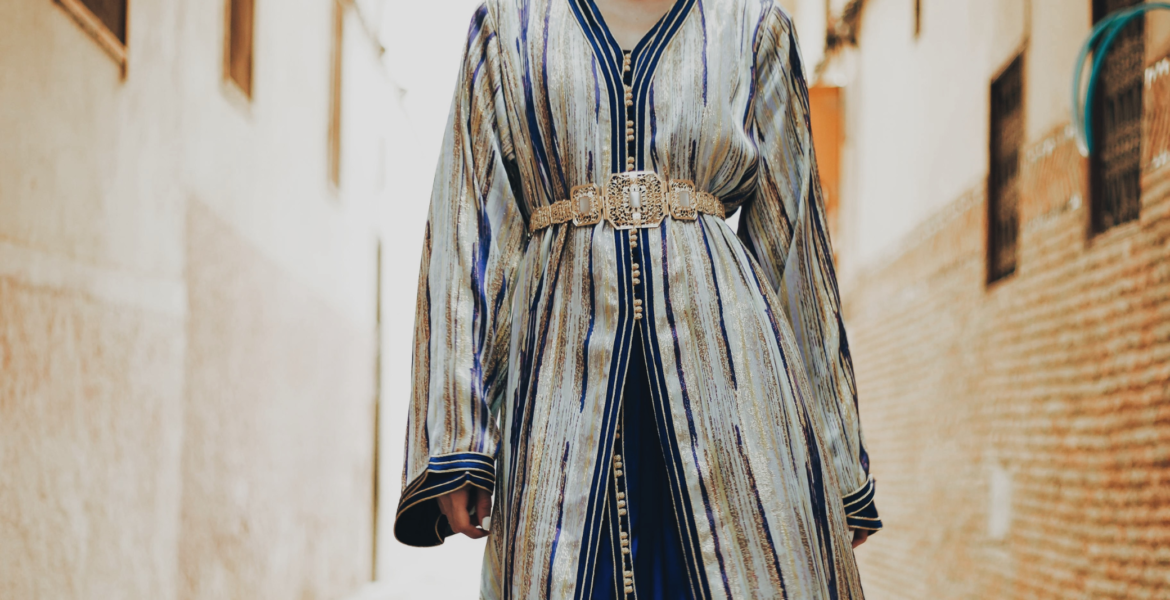
For four days in May, Marrakesh became a meeting point for Moroccan craftsmanship, couture, heritage, and modern fashion. Caftan Week 2026 returned for its 26th edition from May 7 to May 10, bringing the Moroccan caftan back into focus through a program built around design, craftsmanship, and the cultural identity of Moroccan fashion.
This year’s theme, Souffle de l’Atlas, or Breath of the Atlas, offered a particularly fitting direction. The Atlas Mountains are more than a landscape surrounding Marrakesh. They represent a deep part of Morocco’s visual and cultural identity, from their earthy colors and traditional craftsmanship to the communities and techniques that have shaped Moroccan dress for generations.
Organized by Femmes du Maroc, Caftan Week 2026 was not simply a celebration of a traditional garment. It offered a glimpse at how the caftan can continue to evolve without losing the craftsmanship that made it iconic in the first place.
And that is what makes this edition worth watching
Caftan Week 2026 at a Glance
Caftan Week 2026 took place in Marrakesh from May 7 through May 10, marking the event’s 26th edition.
The official theme was Souffle de l’Atlas, placing the Atlas Mountains at the center of the week’s creative identity. Across the program, Moroccan couture, artisanal craftsmanship, emerging talent, and the evolution of the caftan came together in a setting that felt distinctly Marrakesh.
The event was presented by Femmes du Maroc, a publication that has played an important role in documenting Moroccan women’s culture, fashion, and creative industries.
For anyone following modest luxury, Moroccan craftsmanship, or the future of heritage fashion, the event offered something particularly interesting: a traditional silhouette being treated not as a historical artifact, but as a living piece of fashion.
Why Caftan Week still matters in 2026
Fashion weeks exist all over the world, from Paris to Milan to New York, yet Caftan Week holds a completely different kind of authority. It does not chase trends. It defines identity. That distinction is precisely why it continues to grow in relevance, especially at a time when fashion audiences are searching for meaning, authenticity, and cultural depth.
The caftan itself is not just a garment. It is history, technique, and symbolism woven into fabric. Over the years, this event has transformed that traditional piece into a global fashion language without stripping away its origin. That balance is rare, and it is exactly what makes this week so powerful.
In 2026, this relevance is even stronger. The global modest fashion industry is expanding rapidly, and designers are increasingly looking toward heritage garments for inspiration. Caftan Week sits at the center of that movement, acting as both a guardian of tradition and a catalyst for innovation.
The theme shaping this year’s vision
Each edition of Caftan Week is built around a central theme, and in 2026 the theme is “Souffle de l’Atlas,” translated as the Breath of the Atlas. This concept draws directly from the Atlas Mountains, one of Morocco’s most iconic landscapes, known for their raw beauty, depth, and cultural richness.
This theme is not just visual. It is emotional and conceptual. Designers are expected to interpret the spirit of the mountains through texture, color, and structure. Think of earthy tones, intricate embroidery that mirrors natural patterns, and silhouettes that echo both strength and fluidity.
More importantly, the theme encourages a deeper exploration of Moroccan craftsmanship. The Atlas region is rich in artisanal heritage, from weaving techniques to decorative arts. By centering this theme, Caftan Week is pushing designers to reconnect with the roots of their craft rather than simply modernizing for the sake of trend.
This approach aligns perfectly with the direction luxury fashion is heading. Consumers are no longer satisfied with aesthetics alone. They want narrative, origin, and intention behind what they wear. This theme delivers exactly that.
Where the event takes place and why it matters
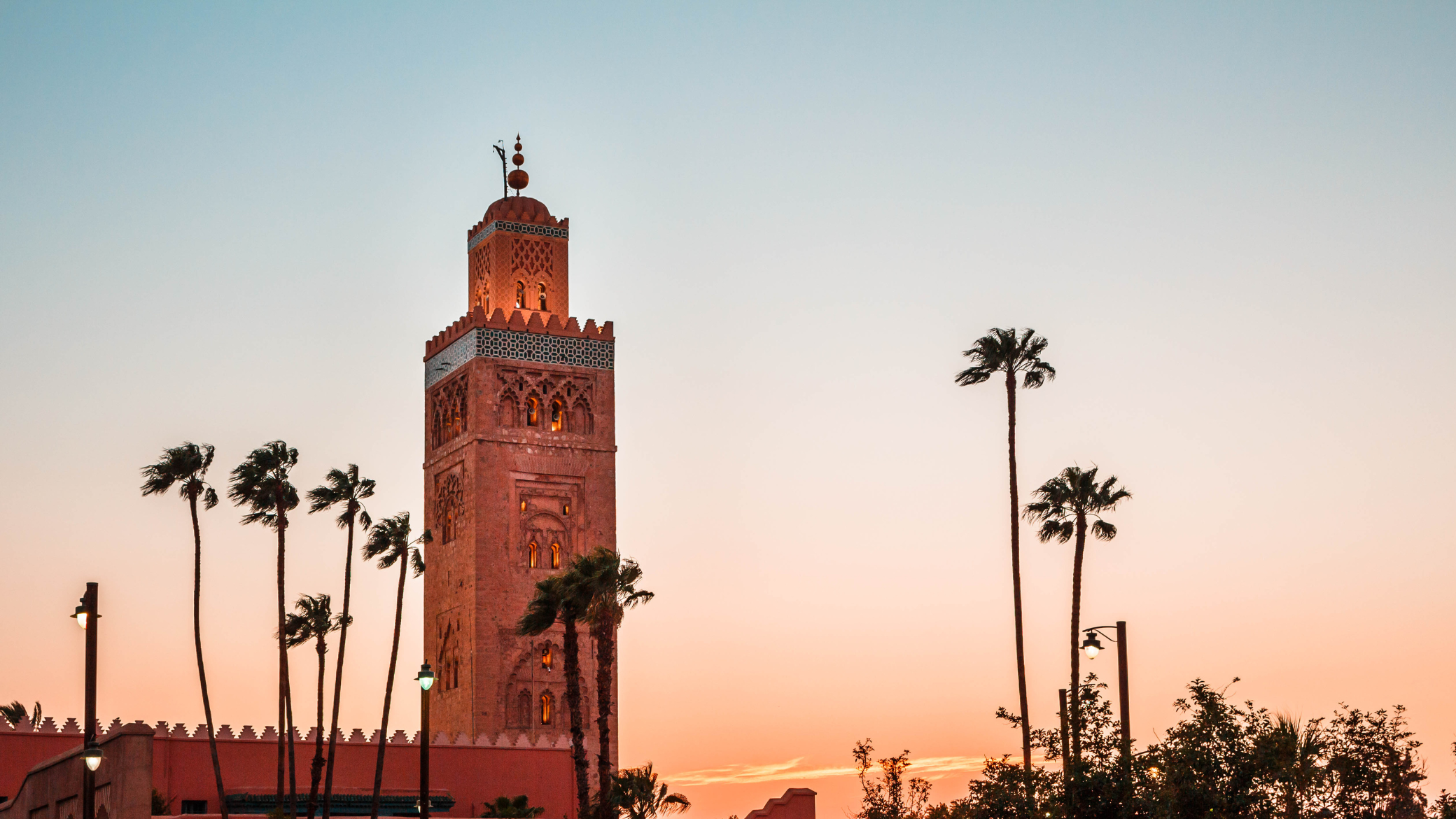
The choice of Marrakesh as the host city is far from accidental. Marrakesh is not just a beautiful destination. It is a cultural crossroads where history, art, and design naturally converge.
During Caftan Week, the city transforms into more than a backdrop. It becomes part of the experience. The architecture, the colors, the atmosphere all reinforce the identity of the event. From riads to palaces, every setting adds depth to the collections being presented.
The event is hosted by Femmes du Maroc magazine, which has played a central role in celebrating Moroccan fashion and craftsmanship in Marrakesh for decades. Their involvement ensures that the event remains deeply connected to its cultural roots while maintaining a high level of editorial and artistic direction.
For attendees, whether industry insiders, media, or fashion enthusiasts, the location enhances the emotional impact of the event. It is one thing to see a caftan on a runway. It is another to experience it in a place where that garment truly belongs.
This connection between place and fashion is something many global fashion weeks lack. In Marrakesh, it feels natural, almost inevitable.
What happens during the four days
Caftan Week is structured as a multi-day experience rather than a single runway show. This is important because it allows for immersion rather than just observation.
Throughout the four days, the program includes a series of fashion presentations, cultural showcases, and industry moments that bring together designers, artisans, and fashion professionals. The highlight, however, remains the Grand Caftan Show, typically held toward the end of the event.
This show is where selected designers present their collections, each offering a unique interpretation of the year’s theme. These collections are not mass-produced pieces. They are often one-of-a-kind creations that showcase the highest level of craftsmanship.
The anticipation around this show is significant because it sets the tone for how the caftan will evolve in the coming years. Trends in silhouette, embellishment, and styling often emerge from this very stage.
Beyond the runway, the event also fosters dialogue. Conversations around craftsmanship, sustainability, and the future of Moroccan fashion take place in more intimate settings. These moments are just as valuable as the shows themselves because they shape the direction of the industry.
The designers behind the collections
Each year, a curated group of designers is selected to participate, and in 2026 that number remains intentionally limited to ensure quality, focus, and a strong creative direction. Rather than overwhelming the runway with volume, Caftan Week prioritizes a refined selection of voices, each bringing a distinct interpretation of Moroccan heritage.
This year’s lineup reflects that balance. Designers such as Zainab Fatihi Aderrab, Zinab Ghazali, and Sara Hilali appear alongside Asmaa Naji and Myriam Bouafi, each known for shaping a contemporary vision of the caftan. They are joined by Amal Soussi Aouad, whose work continues to highlight the depth of Moroccan craftsmanship.
The lineup continues with Hind Lamtiri and Houda Larini, both recognized for their ability to merge tradition with refined, modern silhouettes. Imane Tadlaoui and Selma Senaoui bring a more contemporary sensitivity, often balancing structure with fluidity, while Mao Lakhdar, and Mouad Chafai, complete the selection with their own distinct signatures.
What makes this group compelling is not uniformity, but contrast. Some designers lean toward minimalism, focusing on cut, proportion, and the quality of materials. Others embrace a more expressive approach, working with embroidery, layering, and rich textures to create pieces that feel almost architectural in their detail. Across all collections, however, there is a shared commitment to Moroccan craftsmanship.
This diversity is precisely what gives Caftan Week its depth. It demonstrates that tradition is not static or limiting. The caftan can evolve in multiple directions while still retaining its identity. For emerging designers and brands, this is one of the most valuable lessons the event offers. Innovation does not come from stepping away from heritage, but from understanding it deeply enough to reinterpret it with intention.
What trends are likely to emerge
While Caftan Week is not trend driven in the conventional sense, certain directions tend to become visible after each edition. In 2026, several elements are expected to stand out based on the theme and current industry movement.
There will likely be a stronger emphasis on natural color palettes inspired by the Atlas landscape. Expect shades of clay, sand, deep green, and muted blues. These tones align with both the theme and the broader shift toward understated luxury.
Craftsmanship will take center stage even more than usual. Hand embroidery, traditional weaving, and artisanal detailing are expected to be highlighted not just as decoration but as the core of each piece.
Silhouettes may also evolve slightly, balancing structure with fluidity. The influence of nature often leads to designs that feel both grounded and free flowing at the same time.
Another important direction is the integration of modern elements without losing authenticity. This could appear in subtle ways such as innovative cuts, contemporary styling, or unexpected fabric combinations.
The cultural and global impact
Caftan Week is not only about fashion. It plays a significant role in preserving and promoting Moroccan culture on an international level. By showcasing traditional techniques in a modern context, it ensures that these crafts remain relevant and valued.
This is particularly important in an era where fast fashion dominates much of the industry. Events like this remind both designers and consumers that true luxury lies in time, skill, and intention.
On a global scale, Caftan Week also contributes to the visibility of modest fashion. It challenges outdated perceptions by presenting modesty as sophisticated, luxurious, and forward thinking.
For brands and creatives working in this space, the event serves as both inspiration and validation. It proves that modest fashion is not a niche. It is a powerful and growing segment of the industry.
What this means for emerging brands
For someone building a brand, Caftan Week offers more than inspiration. It offers direction.
It shows that storytelling matters as much as design. Every collection presented during the event is rooted in a narrative, whether it is tied to geography, history, or craftsmanship. This is something that resonates deeply with modern audiences.
It also highlights the importance of positioning. The caftan is not marketed as everyday wear. It is presented as a luxury piece, something to be valued and preserved. This positioning elevates both the product and the brand behind it.
Another key takeaway is consistency. Caftan Week has built its reputation over decades by staying true to its core identity while allowing for evolution. For any emerging brand, this balance is essential.
The experience beyond the runway
One of the most compelling aspects of Caftan Week is the atmosphere it creates. It is not just about watching fashion. It is about experiencing it.
From the setting to the audience to the cultural context, everything contributes to a sense of immersion. This is something that digital fashion experiences often struggle to replicate.
For attendees, the event becomes memorable not only because of what they see but because of how it makes them feel. That emotional connection is what transforms fashion from a product into an experience.
Looking ahead
In a world where fashion can sometimes feel repetitive or disconnected, this event offers something different. It offers depth, authenticity, and a clear sense of identity.
From May 7 to May 10, Marrakesh will once again become the center of this vision. Designers will present their interpretations, audiences will engage with the experience, and the caftan will continue its journey from tradition to modern luxury.
For anyone watching closely, this is more than an event. It is a statement about where fashion is going and what truly matters within it.