- The Runway Edit, The Arts of Craftsmanship
- April 28, 2026
- 0
Inside Modest Fashion Week 2026: Designers, Highlights & Key Takeaways
Modest Fashion Week (MFW) is a global fashion event dedicated to designers and brands that focus on modest clothing, fashion that prioritizes coverage without compromising on style, craftsmanship, or creativity.
Unlike traditional fashion weeks, MFW places diversity at its core. It brings together designers from different cultures, religions, and creative backgrounds, offering a broader definition of beauty and elegance.
The concept was created to give visibility to a segment of the fashion industry that had long been overlooked. Over time, it has expanded across major cities, growing into a platform that now attracts international media, buyers, and industry insiders.
What started as a niche initiative has evolved into something far more influential: a space that is actively shaping the global fashion narrative.
WHAT IS MODEST FASHION WEEK?
Modest Fashion Week (MFW) is a global fashion event dedicated to designers, brands, and creatives who focus on modest clothing. Fashion that prioritizes coverage without compromising on style, craftsmanship, or creativity.
Unlike traditional fashion weeks, Modest Fashion Week places diversity at its core. It brings together designers from different cultures, religions, and creative backgrounds, offering a broader and more inclusive definition of beauty and elegance.
The concept was created to give visibility to a segment of the fashion industry that had long been overlooked. Over the years, it has been hosted in cities such as Istanbul, Dubai, London, and increasingly, Paris, each edition expanding its influence.
What started as a niche initiative has grown into a platform the industry can no longer ignore, attracting international media, buyers, and cultural attention.
It is no longer simply an alternative space, it is becoming a defining voice within the global fashion conversation.
WHY MODEST FASHION IS GROWING SO FAST
To understand the rise of Modest Fashion Week, you first need to understand the growth of modest fashion itself.
For years, many women did not see themselves reflected in mainstream fashion. Modest fashion created space for those who wanted more coverage while still expressing personal style.
The global modest fashion market is expanding rapidly, driven in part by Muslim consumers with increasing purchasing power. What brands once overlooked, they are now actively investing in.
Modesty today is not about restriction, it’s about intention. More women are choosing how they present themselves rather than following imposed trends.
Platforms like Instagram and TikTok have amplified modest fashion globally. Creators have turned styling into storytelling, making modest fashion more visible, aspirational, and accessible.
What we’re seeing is not just growth, it’s a redefinition of who fashion is for.
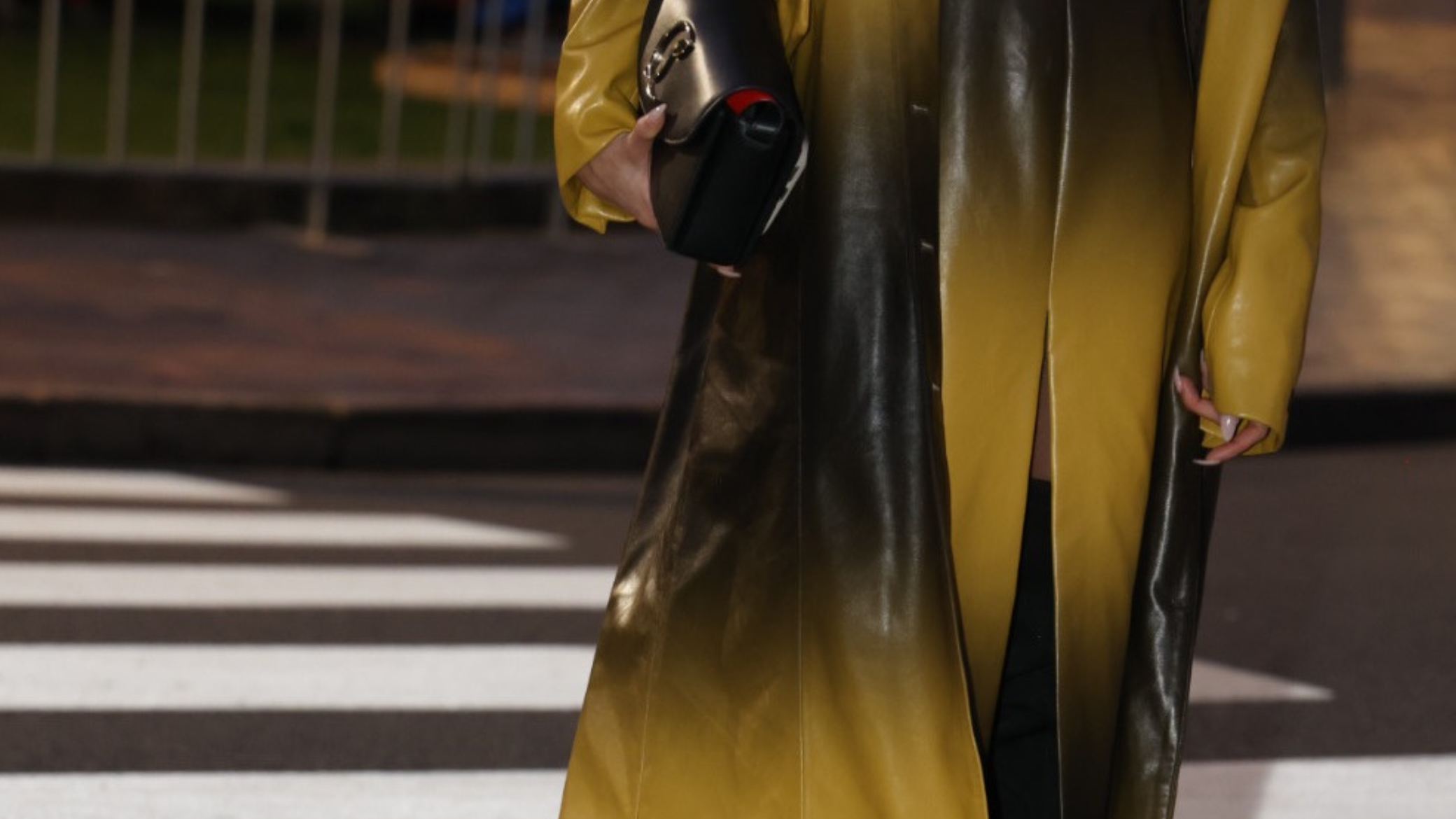
PARIS AND THE NEW FASHION CONVERSATION
Recent editions of Modest Fashion Week, particularly in Paris, have pushed the movement into new territory.
Paris has long been considered the capital of fashion, home to heritage houses and haute couture. Hosting Modest Fashion Week here carries both symbolic and strategic weight.
It signals something important: modest fashion is no longer emerging, it is demanding space at the highest level of the industry.
But this visibility also comes with complexity. In France, discussions around identity, secularism, and clothing, especially the hijab, are deeply layered. This places modest fashion at the intersection of fashion, culture, and politics.
And that’s exactly what makes this moment powerful. Modest fashion is no longer just about clothing. It is cultural. It is social. And at times, it is political.
Rather than weakening the movement, these conversations are amplifying it.
DESIGNERS WHO DEFINED MODEST FASHION WEEK 2026
One of the strongest aspects of Modest Fashion Week 2026 was the diversity of design perspectives on the runway. Each designer brought a unique interpretation of modesty, shaped by their cultural background, creative vision, and craftsmanship.
HILAL OĞUZKAN
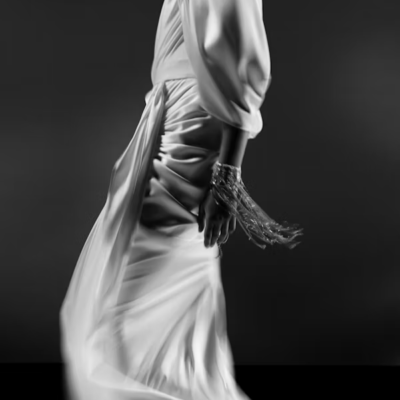
Hilal Oğuzkan continues to carve out a distinct space in contemporary modest fashion by merging structure with fluidity. Known for her refined craftsmanship, she creates pieces that feel both timeless and modern. At Paris Modest Fashion Week, she presented a luxury eveningwear collection that leaned into opulence without losing restraint. Think sculptural gowns with high mandarin collars, dramatic sleeves, and intricate crystal embellishments that created a cosmic, almost starlit effect. Her work stands out for its balance between strength and elegance, designs that feel powerful yet deeply feminine.
ARSUMERZAEVA
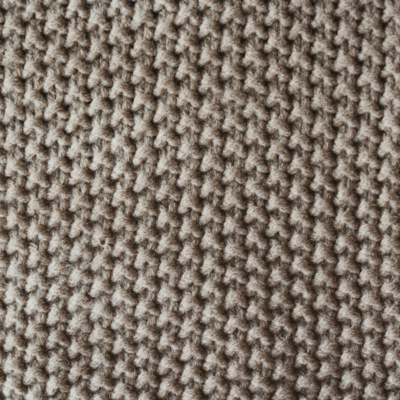
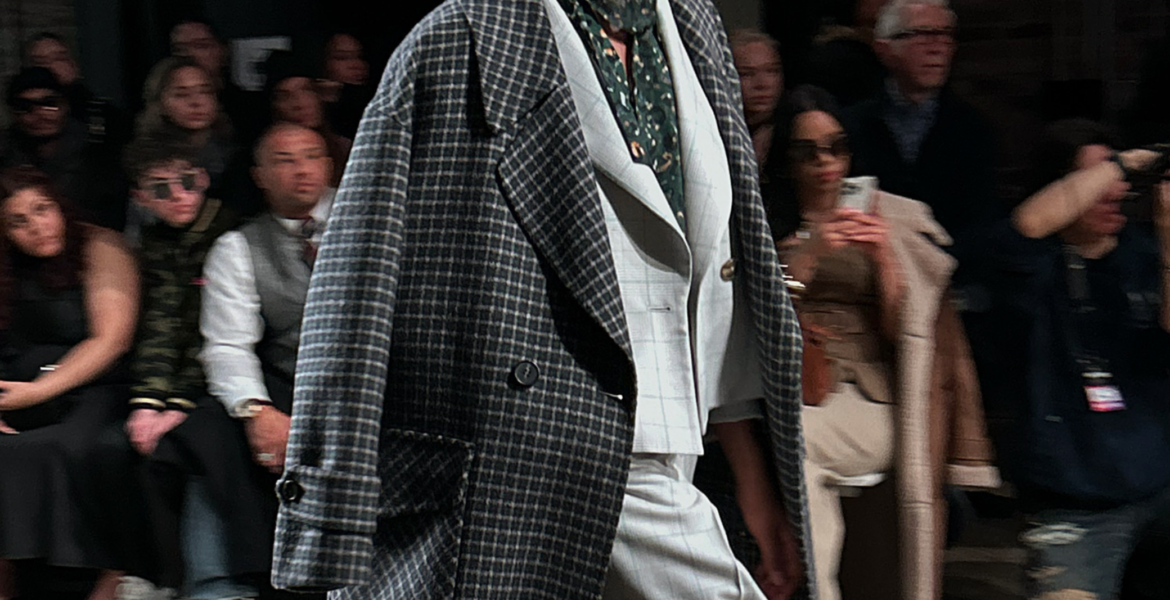
Arsumerzaeva’s aesthetic is grounded in precision tailoring and understated sophistication. Her collections often explore tonal dressing, layering, and texture rather than bold prints or excessive embellishment. At the show, she presented looks in earthy palettes, mocha, olive, burgundy, combined with oversized coats, structured jackets, and fluid trousers. What makes her work compelling is the contrast between structure and softness: sharp silhouettes paired with draped fabrics. Her approach reflects the growing “quiet luxury” movement, where quality, craftsmanship, and subtle detail speak louder than logos or trends.
SUMMER EVENINGS
Founded by Syrian American designer Summer Albarcha, Summer Evenings brings a romantic and accessible perspective to modest fashion. Her designs are centered in softness flowing chiffon, delicate pleating, and airy silhouettes that move effortlessly. At Modest Fashion Week, her collection felt like a love letter to femininity, featuring blush-toned gowns, ivory tailoring, and vintage-inspired pieces with a modern twist. What sets her apart is her ability to create occasion wear that feels both dreamy and wearable, filling a gap in the market for modest pieces that are elegant without being overly formal or restrictive.
HAMIDI X BETÜL SADAY
The collaboration between Hamidi, a Dubai-based fragrance house, and designer Betül Saday introduced something entirely new to the runway: scent as storytelling. Instead of focusing solely on visuals, the show engaged multiple senses, with fragrances woven into the atmosphere as models walked. The collection itself reflected this concept, with garments inspired by the notes and mood of the perfumes soft hues, fluid silhouettes, and delicate detailing. Signature elements like pearl embellishments and sculptural veils echoed the design of the perfume bottles. This collaboration highlighted how modest fashion can evolve beyond clothing into a full sensory experience, creating a deeper emotional connection with the audience.
SEDZDA HAUTE COUTURE
Sedzda Haute Couture brought a sense of grandeur and theatricality to the runway. Stemming from Balkan heritage, the brand is known for its intricate craftsmanship and bold, architectural designs.At Paris Modest Fashion Week, Sedzda presented pieces that felt almost monumental. Golden sculptural capes, richly embroidered gowns, and dramatic bridal looks with cathedral-like silhouettes. Each piece showcased an extraordinary level of detail, from hand-applied embellishments to complex construction techniques. Rather than following trends, Sedzda creates statement pieces that celebrate ceremony, identity, and artistry, positioning modest fashion firmly within the world of high couture.
KEY MODEST FASHION TRENDS IN 2026
Across all collections, several clear trends emerged that together painted a picture of where modest fashion is heading. Designers leaned heavily into sculptural silhouettes, choosing structure over exposure and using volume, layering, and carefully constructed shapes to create a strong visual impact. At the same time, quiet luxury palettes dominated the runway, with neutral tones, earthy shades, and monochromatic looks reflecting a move toward understated elegance rather than loud statements.
Another noticeable direction was cultural fusion, where many collections blended heritage elements with modern tailoring, resulting in designs that felt both anchored and globally relevant. Fashion also expanded beyond what could simply be seen, as sensory elements became part of the experience. Designers began incorporating scent, sound, and storytelling into their presentations, adding emotional depth to each look. Together, these trends point to a clear shift: modest fashion is no longer adapting to the idea of luxury, but actively redefining what luxury means.
WHAT MAKES MODEST FASHION WEEK DIFFERENT?
At first glance, Modest Fashion Week may resemble traditional fashion weeks. But the experience is fundamentally different.
INCLUSIVITY OVER EXCLUSIVITY
While traditional fashion has often been associated with exclusivity, Modest Fashion Week actively creates space for emerging designers and underrepresented voices.
COMMUNITY-DRIVEN ATMOSPHERE
There is a strong sense of shared purpose. Designers, influencers, and attendees are part of a larger movement, not just spectators.
STORYTELLING OVER TRENDS
Collections are often steeped in identity, heritage, and lived experience, making them more meaningful and personal. This makes Modest Fashion Week feel less like a spectacle and more like a conversation.
THE BUSINESS OF MODEST FASHION
Beyond aesthetics, modest fashion represents a significant economic opportunity.
The global modest fashion market continues to grow, with projections reaching well over $100 billion in the coming years. Luxury brands are already responding with: Ramadan capsule collections, targeted campaigns in Middle Eastern markets, and expanded modest product lines.
Retailers and investors are no longer treating modest fashion as a niche, it is now a strategic growth category.
THE FUTURE OF MODEST FASHION WEEK
Looking ahead, the trajectory is clear.
More luxury brands will continue to enter the modest fashion space, bringing increased attention and investment to the segment. At the same time, production quality is expected to rise as designers refine their craftsmanship and push creative boundaries. As these developments unfold, the distinction between “modest” and “mainstream” fashion will gradually blur, reflecting a broader shift in how style is defined and experienced.
Elements like layering, fluid silhouettes, and structured coverage are already influencing global fashion trends.
This is where the shift becomes undeniable. Modest fashion is no longer adapting to the industry. The industry is adapting to it.